Annual Report
2025
Annual Report
2025
Annual
Report
2025
Maria Dahle, Director
2025 has been yet another year that has tested both the resilience and perseverance of human rights defenders and the strength of the international system designed to protect them. According to the latest findings from the V-Dem Institute, the global state of democracy has regressed to levels last seen in 1978. This stark assessment reflects a broader and deeply concerning decades-long trend: the continued rise of authoritarianism, the shrinking of civic space, and the erosion of fundamental freedoms across regions. It is precisely under these circumstances that the Network of Human Rights Houses and its 85+ member organisations continued to bravely highlight human rights violations, call for justice and respect for international law, and work to protect freedoms.
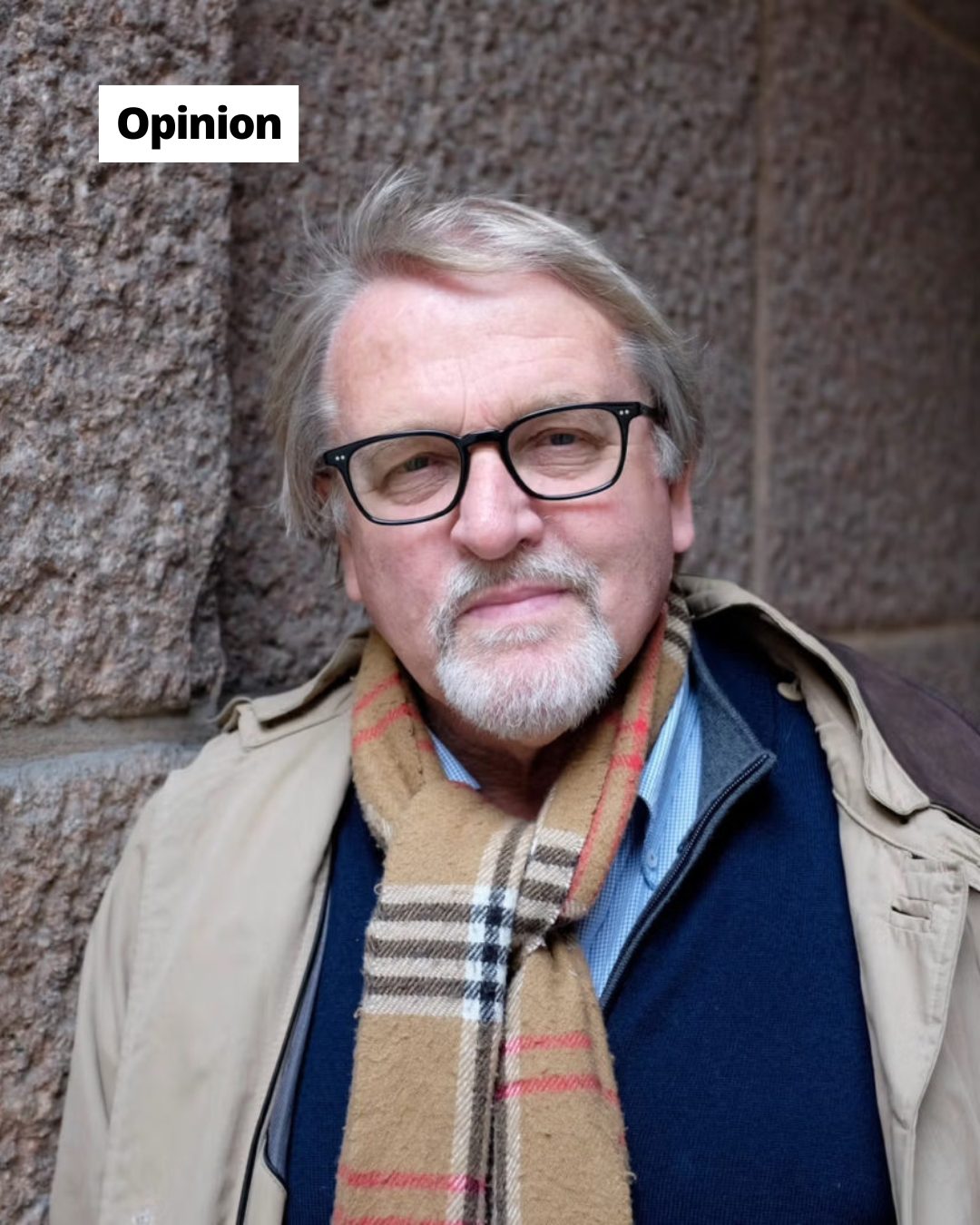
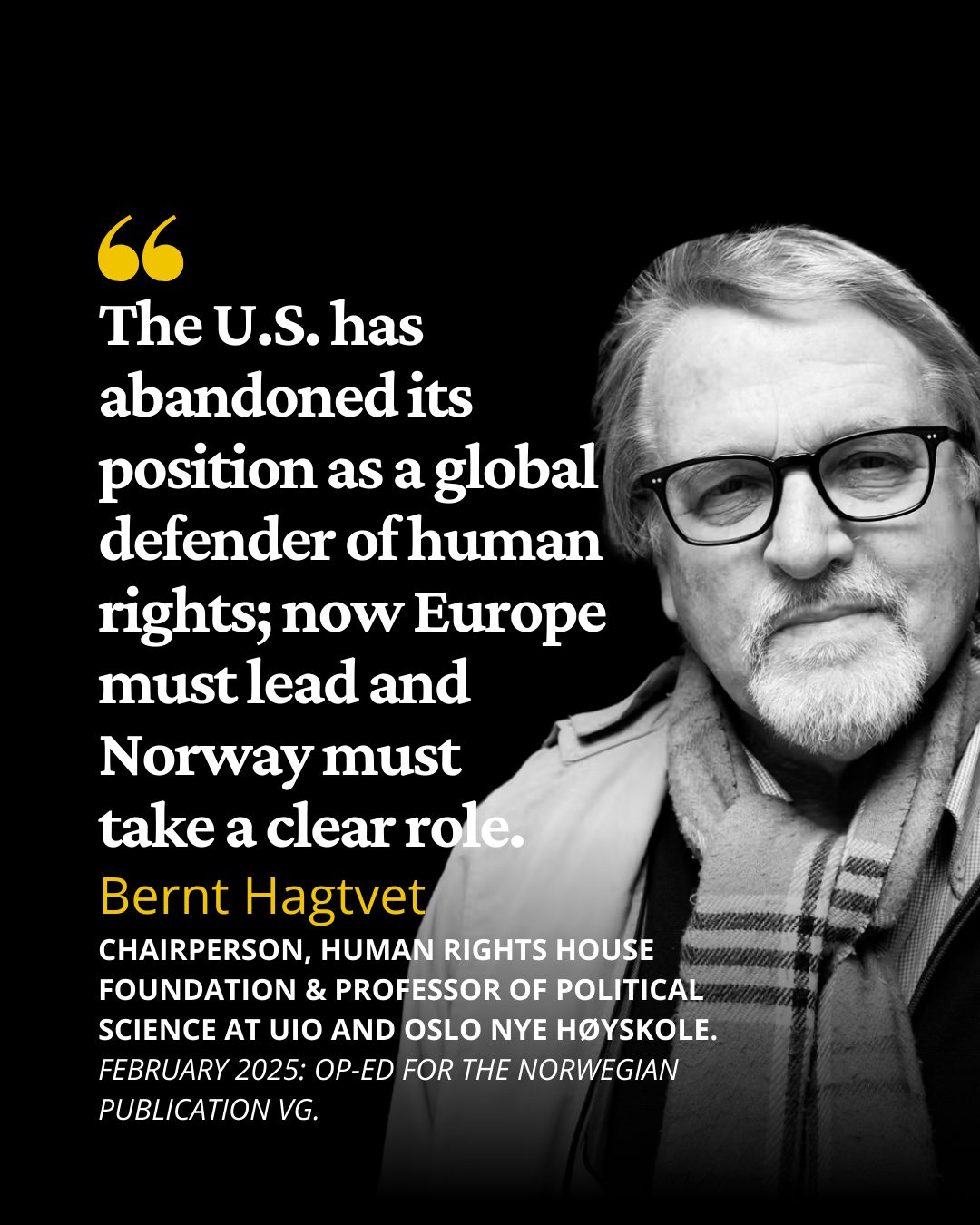
Geopolitical developments in 2025 have further accelerated these challenges. Changes in political leadership in the United States, alongside a broader global shift toward right-wing authoritarian governance, have significantly altered the landscape for human rights work. At the same time, armed conflicts, inflation, economic instability, and the reallocation of public funds toward security, humanitarian aid, and emergency responses to armed conflict have constrained available resources. The termination of USAID funding streams has had immediate and far-reaching consequences for civil society actors worldwide. As Bernt Hagtvet, Human Rights House Foundation (HRHF)’s Chairperson, put it in a February 2025 op-ed with Norwegian publication VG, “human rights have become subordinate to American geopolitical interests and security policy.”
These shifts are not only reducing the protection of human rights and volume of available funding but also transforming how support is structured. Donors are increasingly prioritising fewer and larger grants, often requiring consortia capable of managing complex, multi-partner programmes. There is also a growing expectation that civil society organisations channel substantial portions of funding onward to local civil society through sub-grants. While these trends present challenges, they also underscore the importance of strong, trusted networks with local presence and operational capacity.
In this evolving environment, the Human Rights House Concept and the Network of Human Rights Houses continue to demonstrate their unique value. The Network combines deep local expertise with coordinated international advocacy. Our presence on the ground, our thematic knowledge, and our long-standing engagement with multilateral mechanisms position us as a reliable partner for both donors and civil society. Sub-granting remains a key instrument in our work, enabling us to support human rights defenders directly and flexibly where needs are greatest.
Throughout 2025, developments across our regions in countries like Russia, Belarus, Azerbaijan, Georgia and Serbia have once again illustrated the grave consequences of neglecting human rights. In countries affected by armed conflict, repression, and democratic backsliding, human rights defenders have continued to face harassment, imprisonment, and forced exile. Yet, they persist. From documenting violations under bombardment in Ukraine to standing alongside peaceful protesters facing excessive use of force in Serbia and Georgia, their work remains indispensable.
Multilateral platforms continue to serve as critical arenas for accountability and advocacy, even as they are increasingly contested. In this context, the role of independent civil society actors is more vital than ever. Supporting their work is not optional—it is essential to the preservation of democratic values and sustainable peace.
Amid uncertainty, the Network has continued to invest in cooperation and solidarity. Bringing defenders together—physically or virtually—remains a cornerstone of our approach. These spaces for exchange and collective strategy are not only sustaining; they are strategic. As we were reminded this year at the Network Meeting of Human Rights Houses, hope is not merely a sentiment. Hope is a strategy.
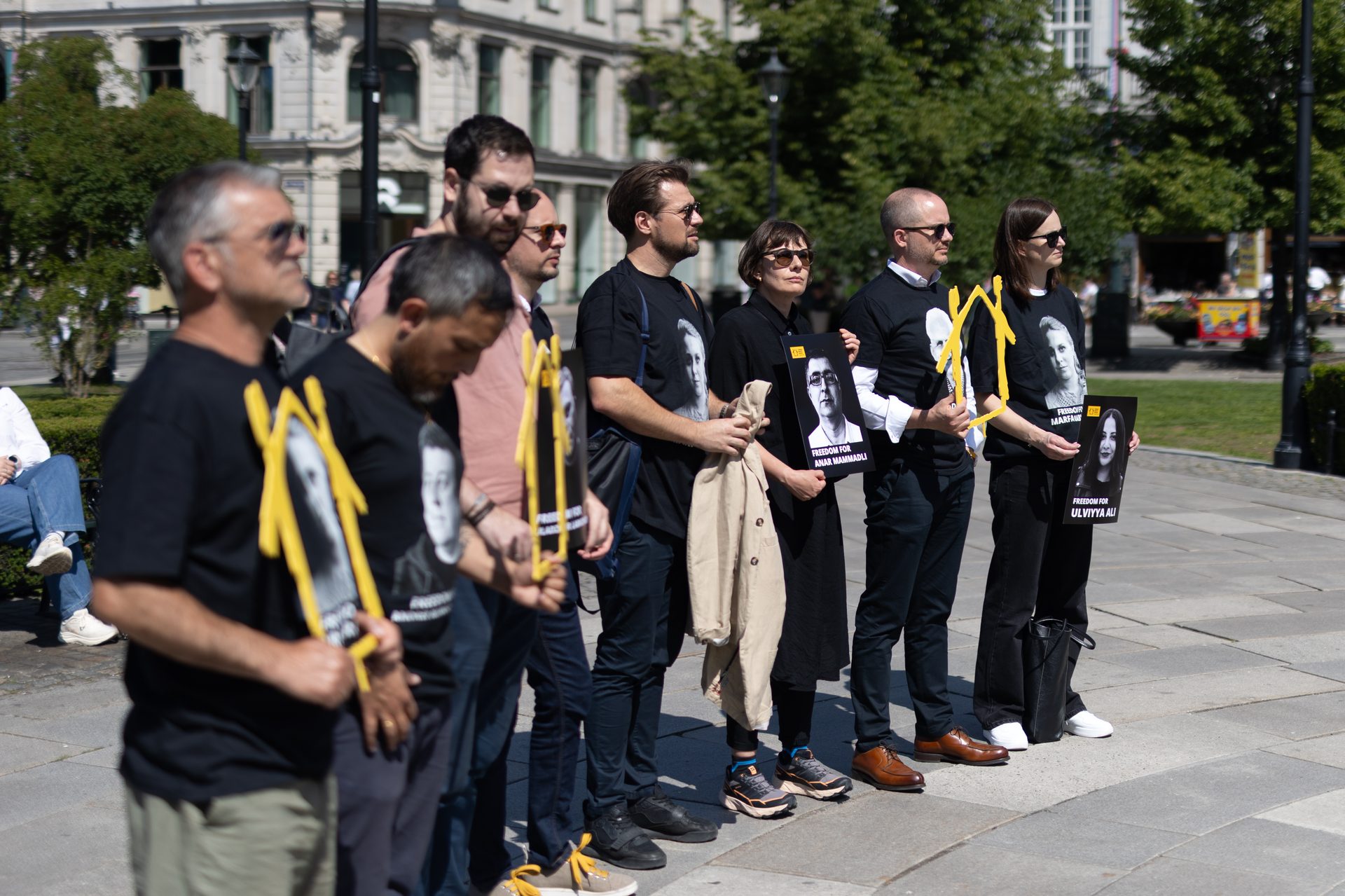
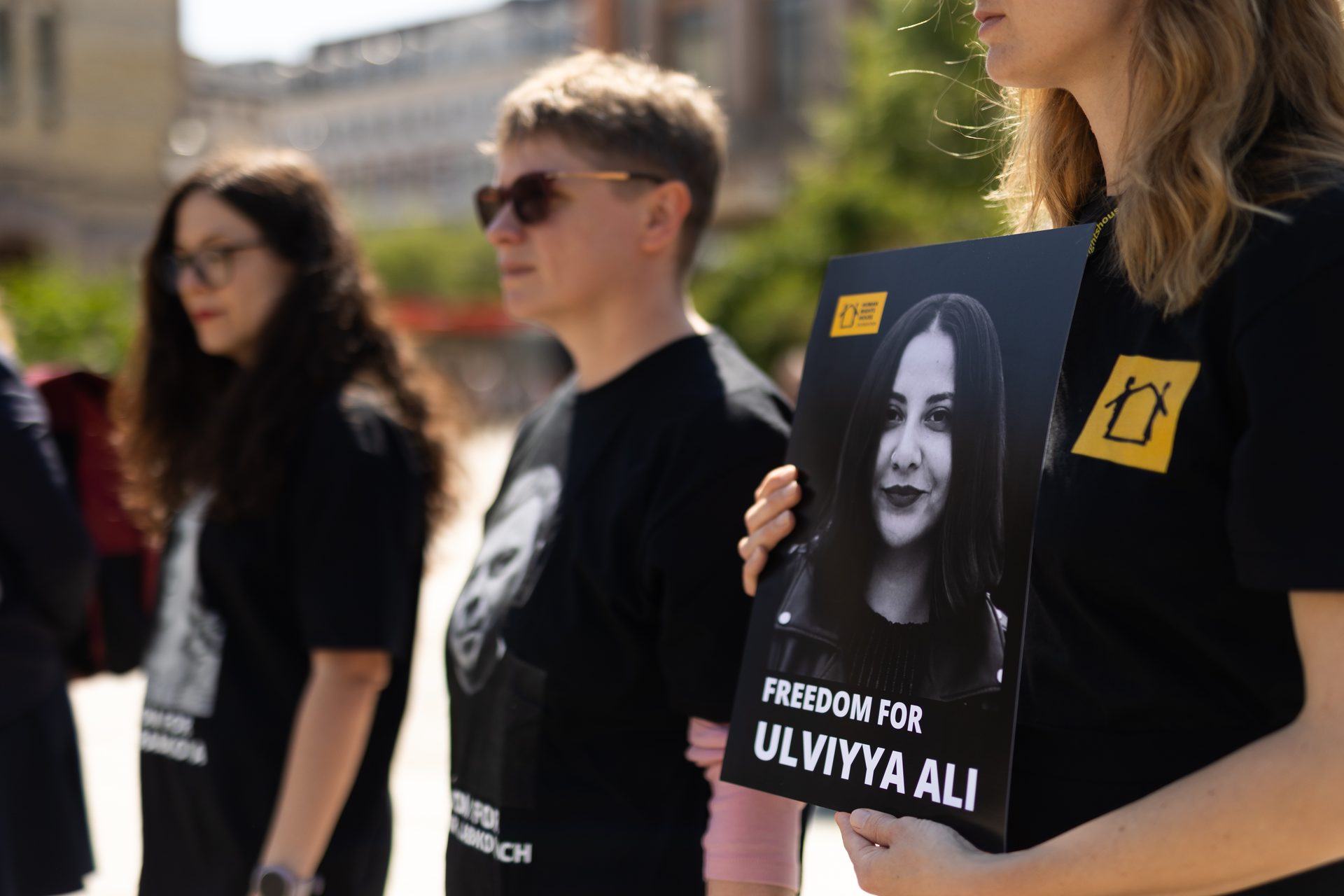
While several of our colleagues remain behind bars alongside hundreds of political prisoners in Azerbaijan and Belarus, we celebrated the recent releases of Andrei Chapiuk, Ales Bialiatski, Uladzimir Labkovich, Valiantsin Stefanovic, Nasta Loika, and Marfa Rabkova. Their imprisonment should never have happened in the first place, and we will continue to demand justice for them. Their release gives us hope that others who remain unjustly detained, including Andrei Aliaksandrau, Anar Mammadli, and Ulviyya Ali, may regain their freedom soon.
We have also taken important steps to strengthen the Network itself, including the establishment of a Network Advisory Council to enhance strategic guidance and reflection. At the same time, our capacity-building initiatives and visibility efforts continue to support those on the frontlines, ensuring that their voices are heard, and their expertise recognised.
None of this work would be possible without the commitment of our partners and donors. In a time of constrained resources and shifting priorities, their support is more important than ever. We are pleased to welcome the Norwegian Postcode Lottery as a new donor from 2026. Together, we are sustaining a model that is both principled and practical—one that places civil society and human rights defenders at its centre.
The challenges ahead are significant. But so too is the determination of those who continue to defend human rights under the most difficult conditions. Their work is not only necessary because of the world we face today—it is the foundation for a more just, secure and democratic future.
Our work in 2025
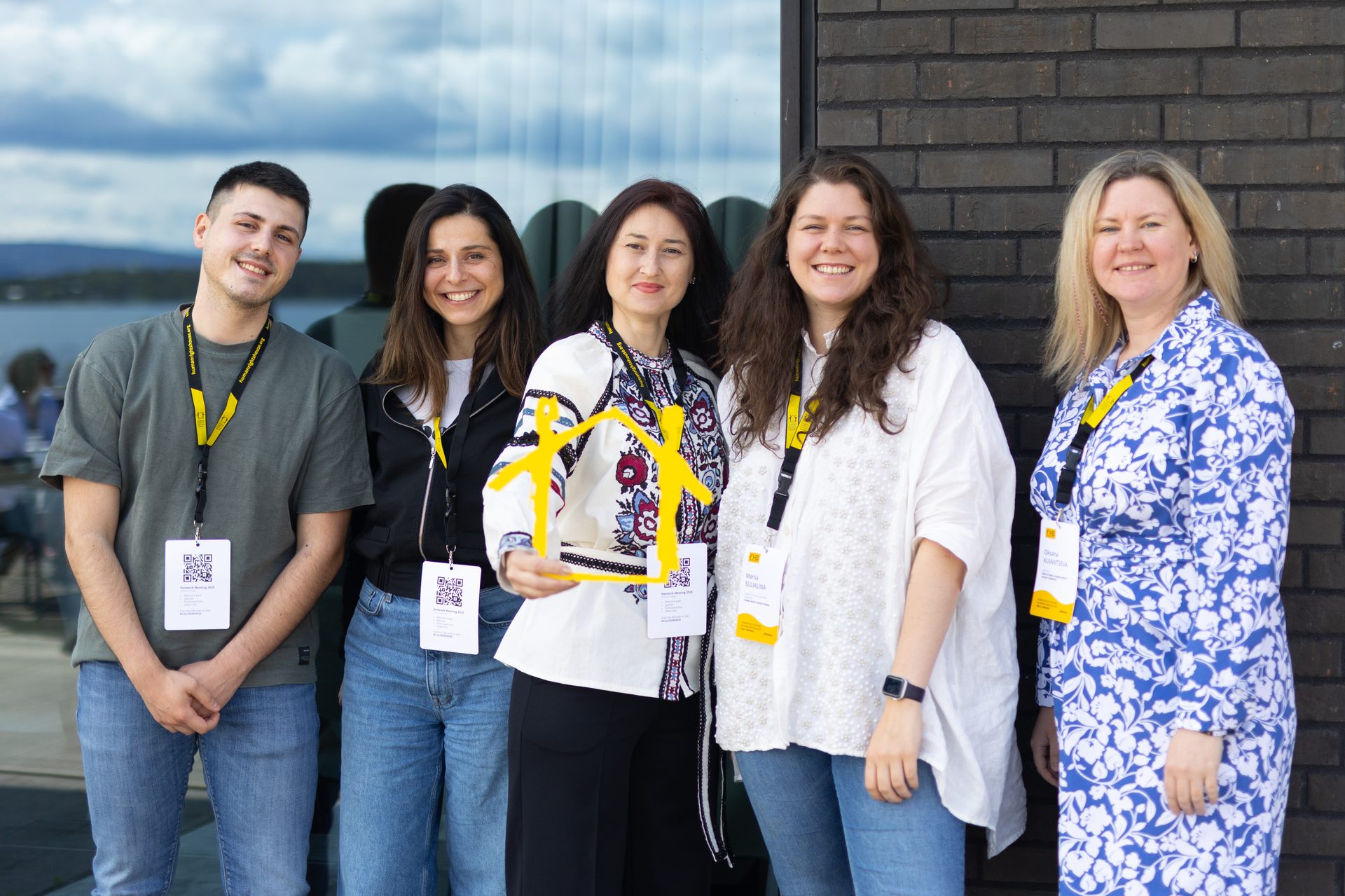
June: Baia Pataraia (Sapari / Human Rights House Tbilisi) and Mariia Sulialina (Almenda / Human Rights House Crimea) joined colleagues from the Network of Human Rights Houses in Oslo for the 2025 Network Meeting.
Human Rights House Foundation (HRHF) envisions a world in which everyone can freely and safely promote and enjoy all human rights.
HRHF recognises that lasting human rights change can be achieved when a strong and independent civil society is united in solidarity and able to freely contribute to the promotion and protection of human rights at home and abroad.
Human Rights Houses are central to HRHF’s work empowering civil society and advancing its vision.
Our vision
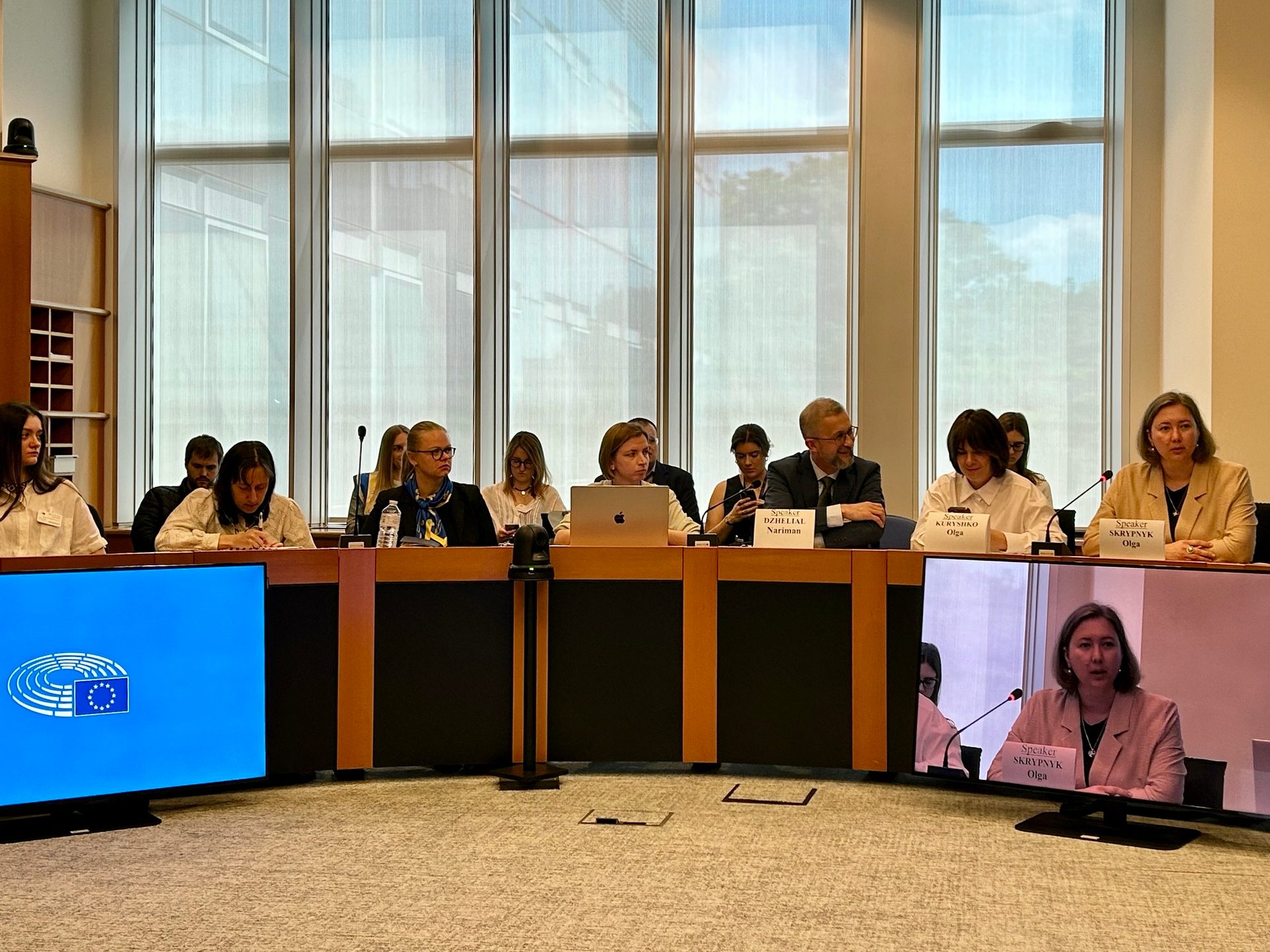
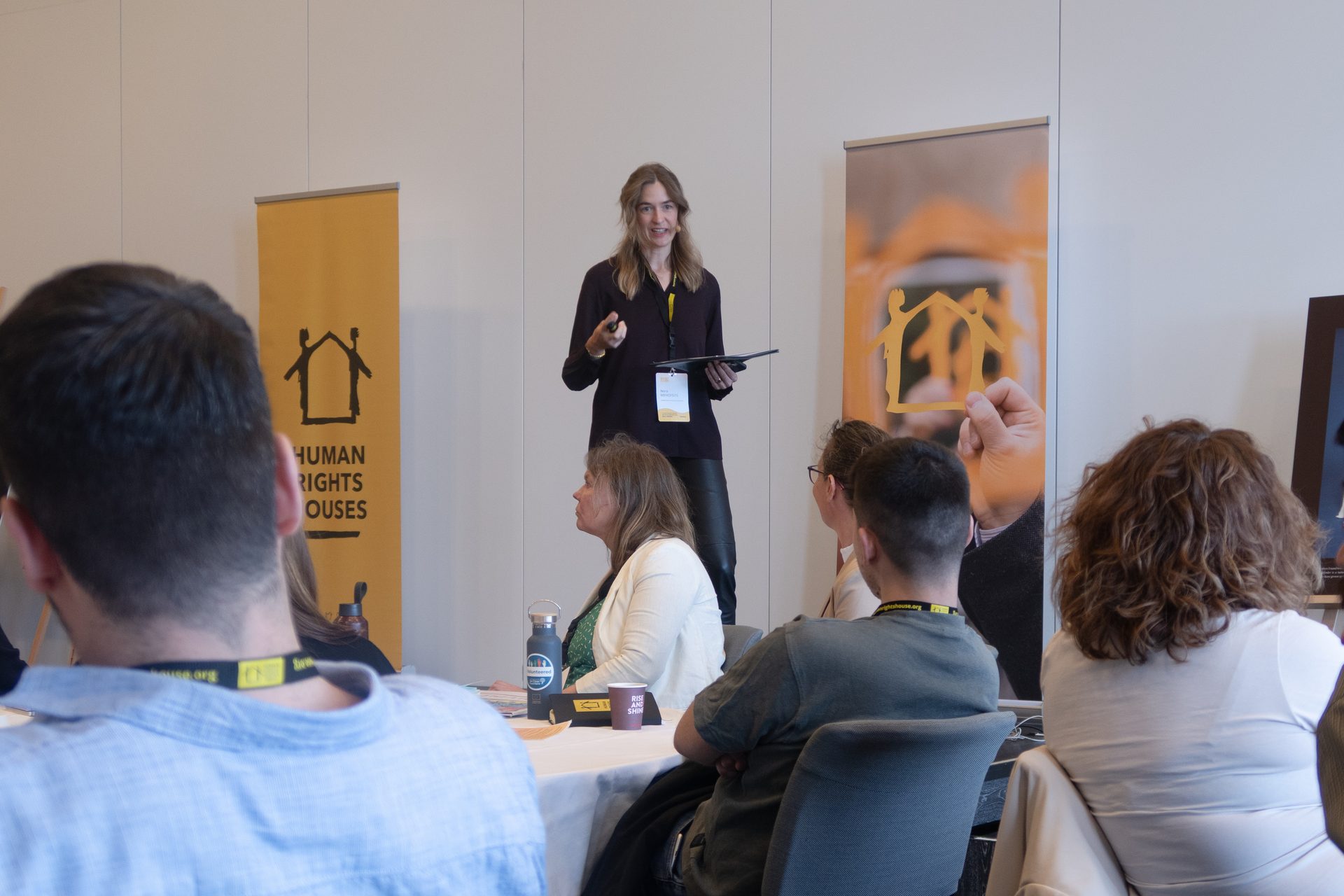
May: HRHF and partners from Human Rights House Crimea and its member organisations conducted targeted advocacy meetings with key EU institutions during the civil-society-led Crimea Week.
L-R: Olha Kuryshko (Representative of the President of Ukraine in the Autonomous Republic of Crimea), Mariia Sulialina (Almenda), Olha Skrypnyk (Crimean Human Rights Group), Nora Wehofsits (HRHF) and Viktoriia Nesterenko (ZMINA)
Strengthening capacities of Human Rights Houses to advance human rights
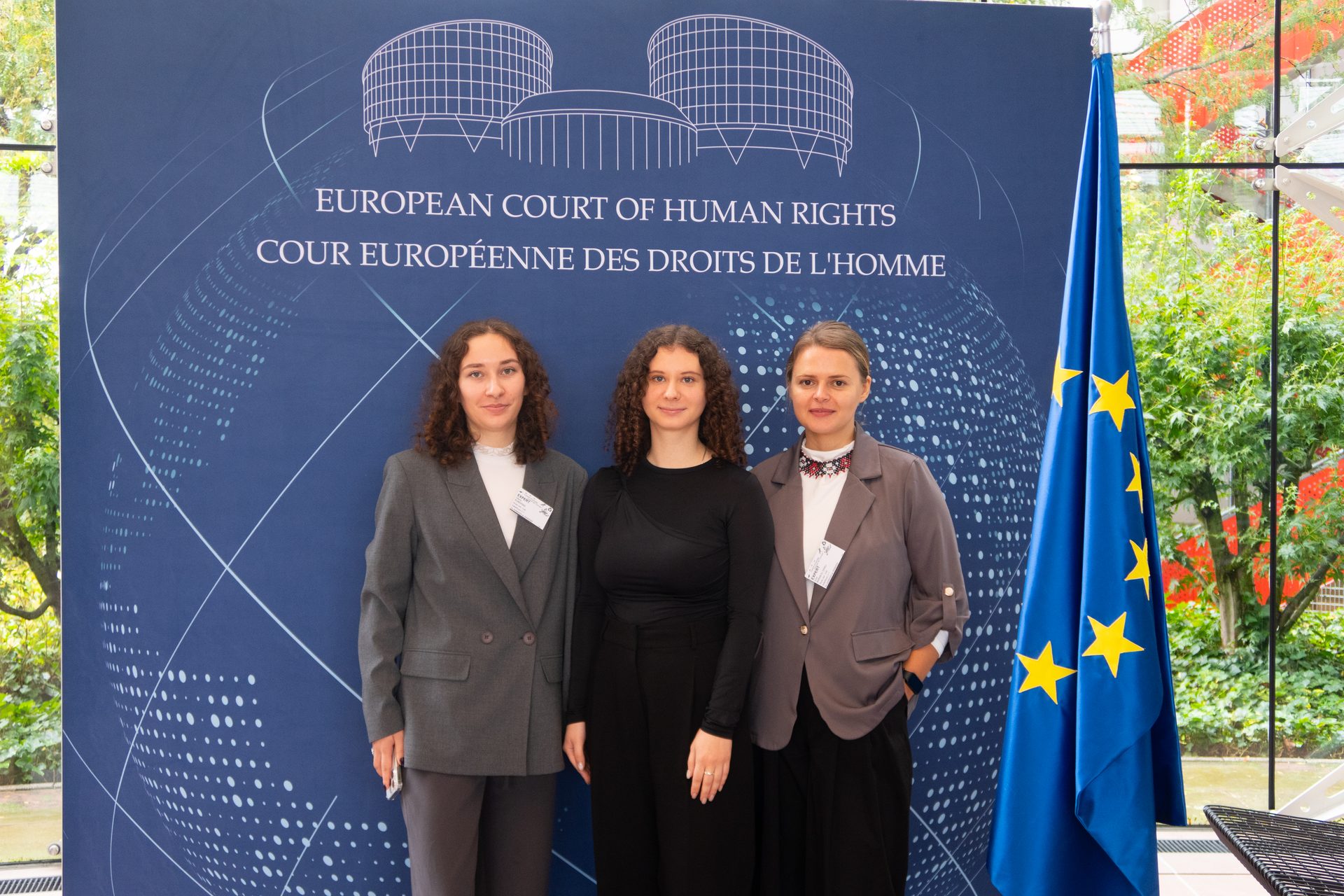
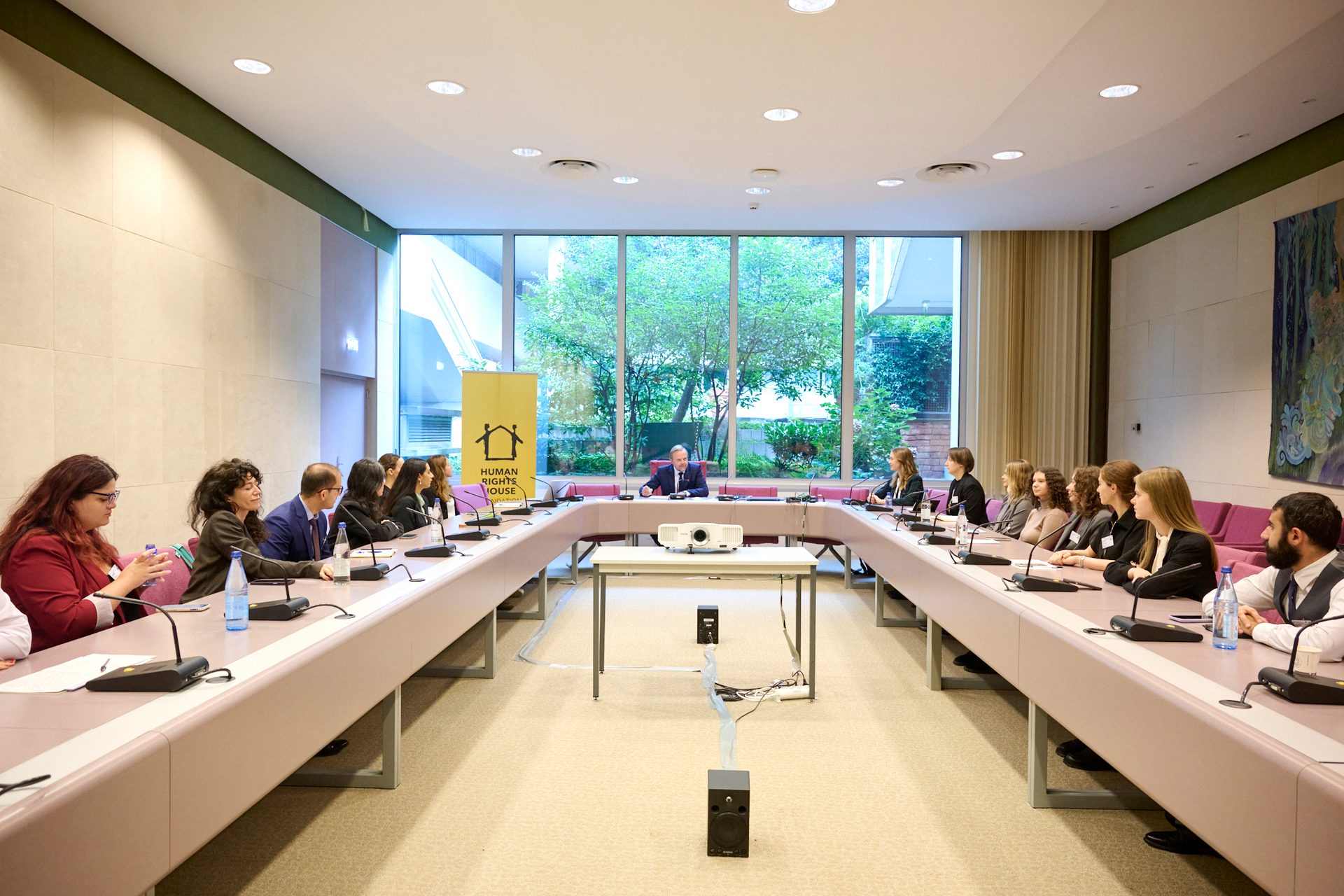
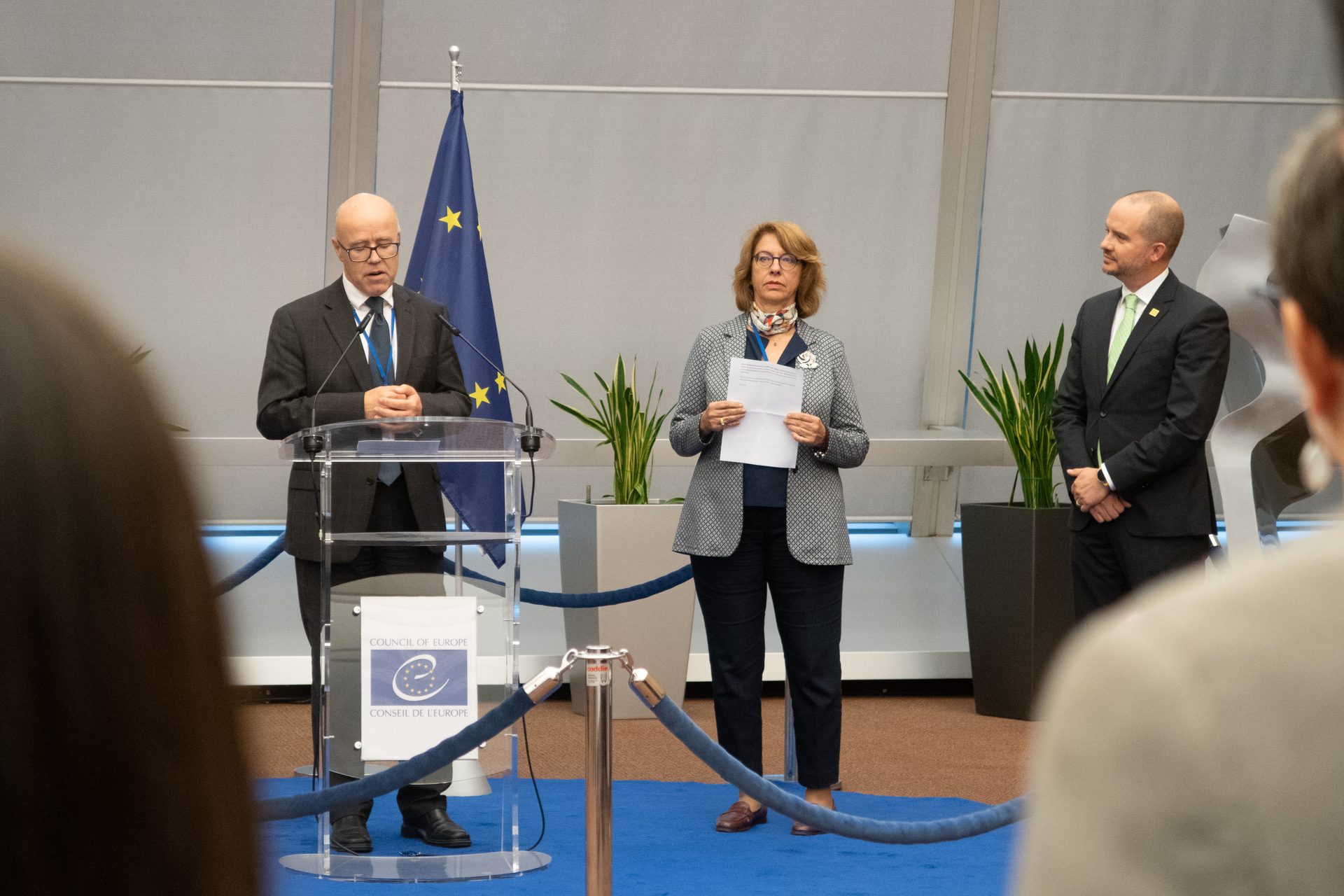
September: Human rights defenders from the Network of Human Rights Houses representing ten countries joined HRHF’s Advocacy Training Programme, which included a study visit to Strasbourg to gain practical experience advocating with Council of Europe stakeholders and strengthening civil society voices.
HRHF sub-grants support human rights work in Network countries
HRHF works in close cooperation with the members and partners of the Network of Human Rights Houses to identify their priorities and strategies, and be a donor that is responsive to the needs of HRDs and organisations. HRHF aims to provide flexible core and project funding that enables organisations in the Network to pursue their mission; maintain human resources in order to fundraise from other donors; access seed money to test new project ideas; stimulate horizontal networking and cross-border cooperation; and become donors to civil society in their countries. HRHF’s subgranting in 2025 enabled 41 civil society organisations, including in some of the most restrictive environments in Europe, to survive and continue delivering essential human rights work on the ground.
Building the next generation of human rights advocates
In 2025, HRHF worked closely with human rights defenders from the Network and beyond to strengthen and expand their advocacy on the international level. HRHF worked to strengthen Human Rights Houses and their members to advocate internationally for four key rights, through coaching and mentoring, and strategic training where HRHF focused on building skills and knowledge. This included a six-month training programme on engaging with the Council of Europe, a nine-month training programme for Belarusian civil society engagement in the UN’s UPR process, and insight into mechanisms and processes at both institutions as well as the OSCE. Tailored English language courses on human rights and structured advocacy programmes enabled partners to navigate international systems, build networks, and bring national human rights concerns to global forums – essential capabilities for civil society operating under severe domestic constraints.
Human Rights Houses serve as resilient civil society platforms in challenging times
In 2025, Human Rights Houses (HRHs) across Eastern Europe, South Caucasus and the Balkans continued to play an important role in coordinating civil society efforts under increasingly challenging circumstances. As coalitions of local independent civil society organisations, Human Rights Houses continued to focus on human rights protection at home and abroad, proving that the Human Rights House concept, built around the enduring values of solidarity and partnership, is flexible and adaptable to the local needs, enabling member organisations to unite their efforts, amplify their voices and together strive for human rights protection.
Respondents (32% of 2025 capacity-building activity attendees) reported applying gained knowledge and skills in their work.
0
%
Participants (of which 97 women) benefited from capacity-building initiatives
0
%
HRDs (of which 82 women) completed rights-focused English course
0
%
Organisations supported through sub-grants
0
In 2025, Human Rights Houses (HRHs) and their member organisations across the wider European region remained active and resilient despite increasing challenges, including ongoing war, repression, and shrinking civic space. With the support of its donors, HRHF helped HRHs to adapt and continue operating—despite these challenges—enabling partners to pursue their human rights work. At the same time, HRHF focused on supporting the next generation of advocates through targeted international capacity building linked to international institutions, ensuring that civil society voices will be heard at these institutions for years to come. Together, these efforts helped to ensure that even in the most restrictive contexts, independent civil society platforms, services, and voices endured.
Strengthening the Network of Human Rights Houses and its impact
June: Human rights defenders from the Network of Human Rights Houses in Oslo for the 2025 Network Meeting.
Supporting solidarity through House-to-House project
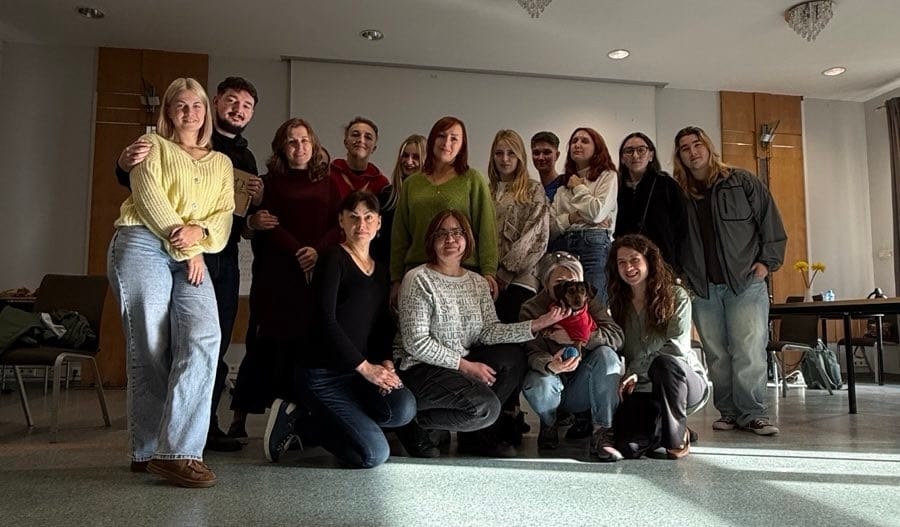
Between October and December 2025, the HRHF-supported Solidarity Force project brought together young human rights defenders from Belarus and Ukraine for an international human rights course and experience exchange reflecting the current context of Belarusian repression and Russia's military aggression in Ukraine. Through a four-day in-person training in Poland, follow-up webinars, and ongoing collaboration, 16 participants gained knowledge and skills in human rights monitoring, advocacy, and documentation, while building cross-border connections and potential for cooperation rooted in trust and solidarity. The project was implemented thanks to the House-to-House (H2H) Project Fund, which supports human rights projects organised collaboratively between two or more Human Rights Houses and their member organisations. In 2025, 22 CSOs from seven countries received support from H2H to implement 11 projects.
Human rights defenders from the Network in focus
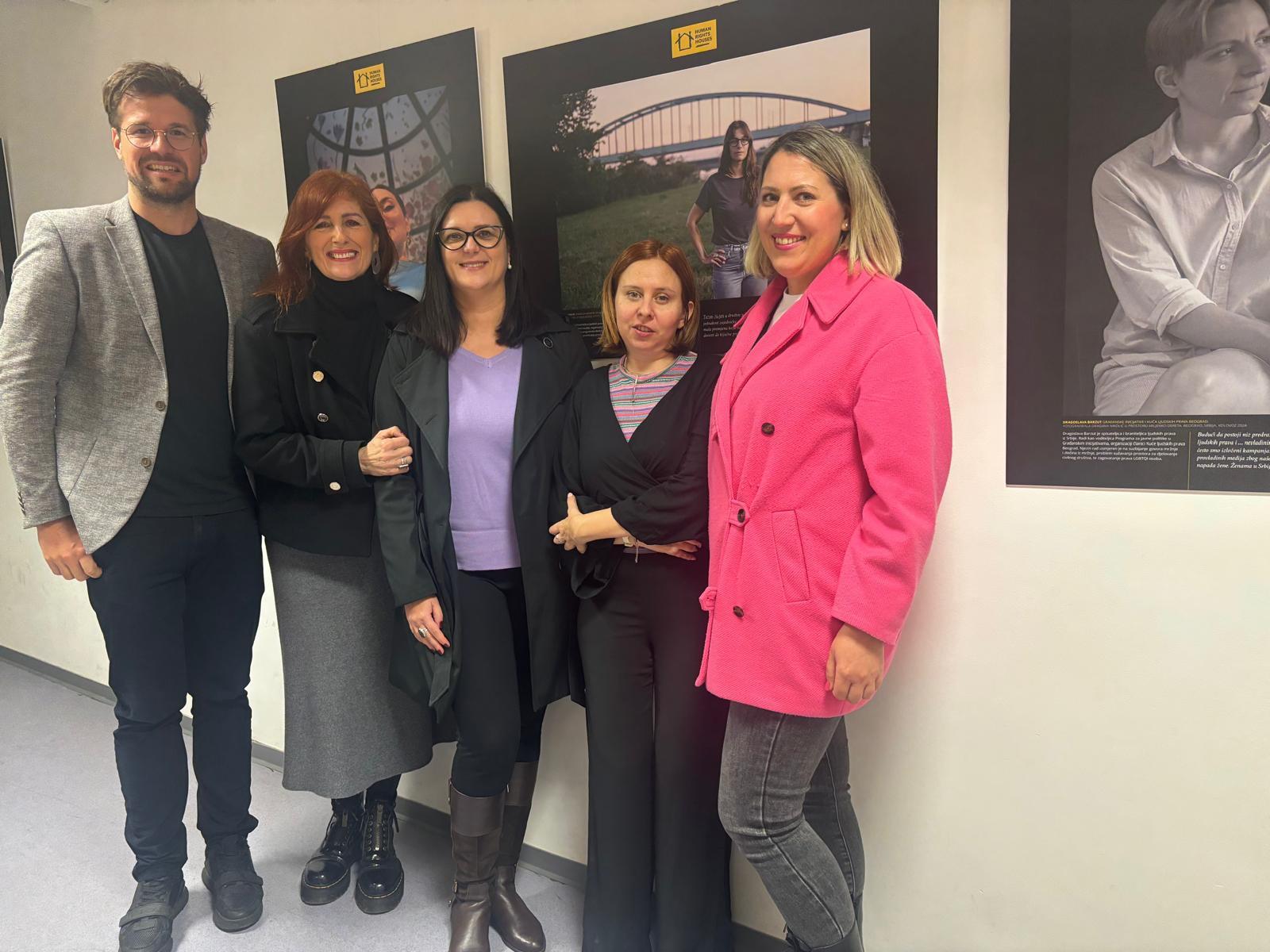
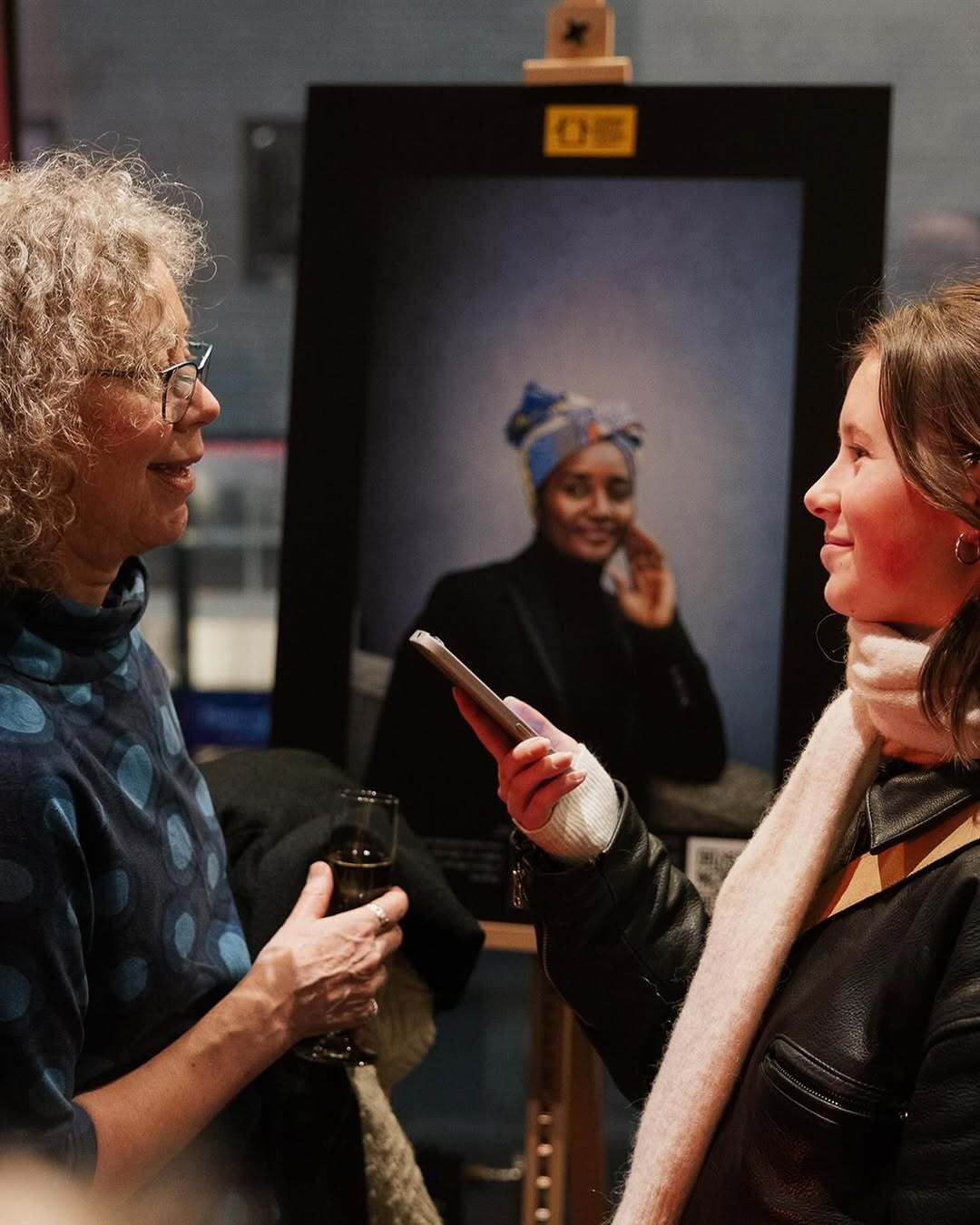
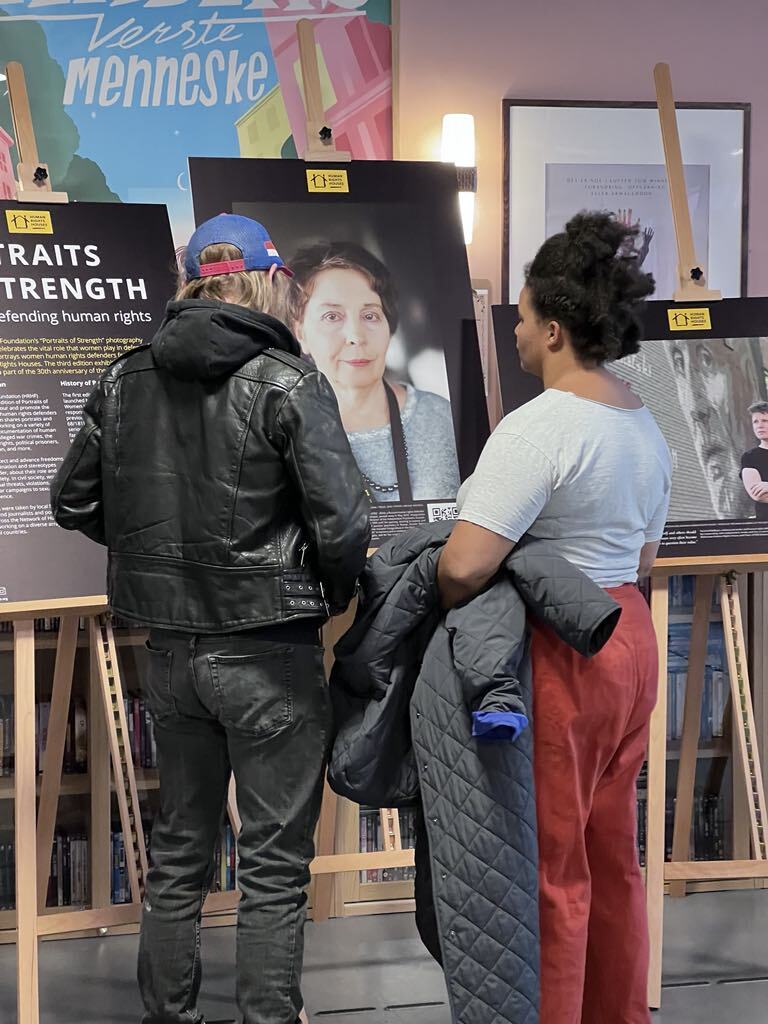
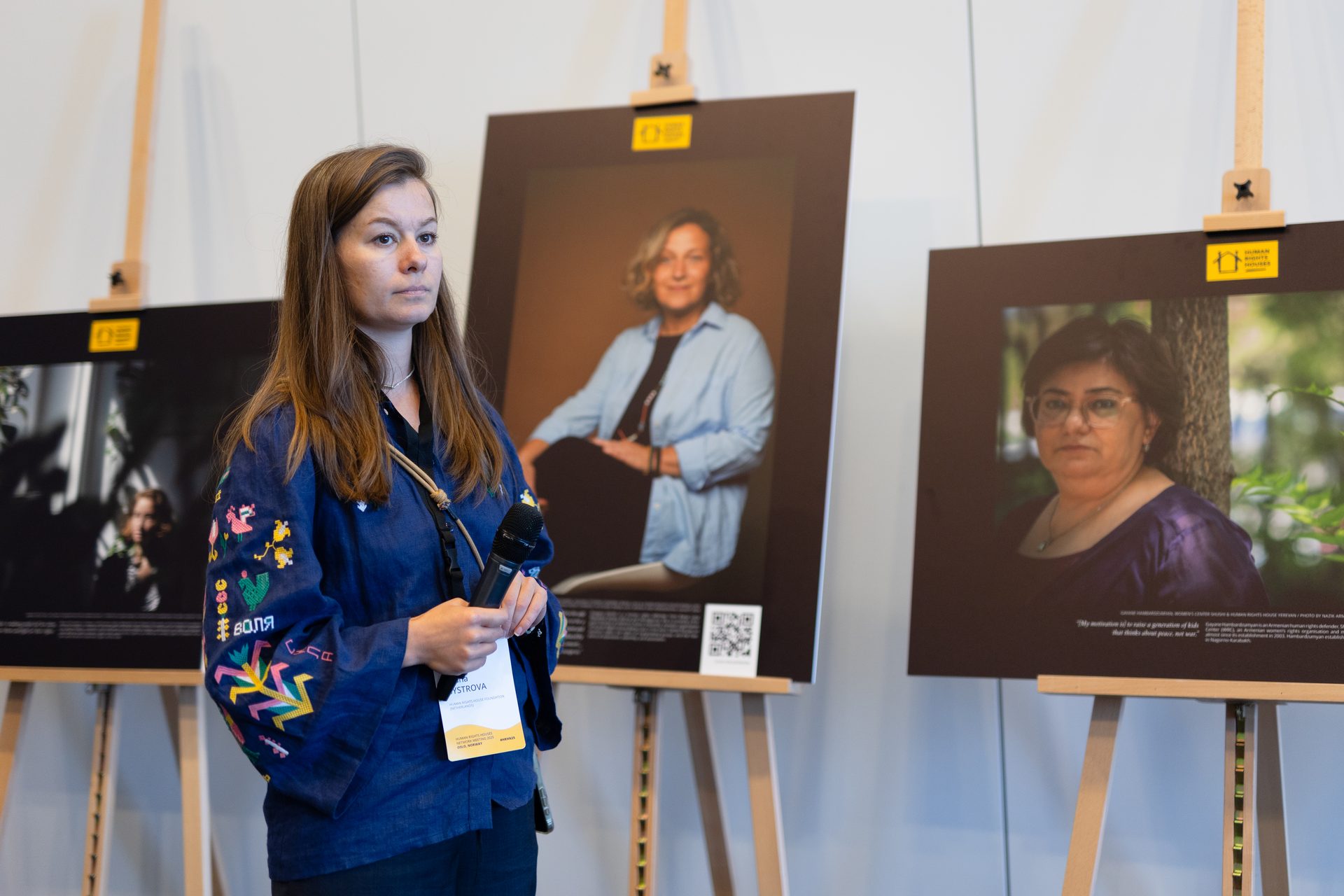
In 2025, HRHF increased the visibility of human rights defenders (HRDs) from the Network and beyond through a sustained series of in-depth interviews, and the third edition of women human rights defenders (WHRDs) photo series “Portraits of Strength”. Featuring HRDs from Ukraine, Belarus, Russia, the South Caucasus, and the Western Balkans, the interviews highlighted enforced disappearances, political imprisonment, protest repression, and shrinking civic space—amplifying testimonies from both exile and in-country contexts. Several pieces were republished by independent media, extending their reach and bringing regional human rights realities to the broader public in several countries. Portraits of Strength was exhibited in Croatia, Bosnia and Herzegovina, and Norway, while Human Rights House Banja Luka also exhibited a new exhibition inspired by Portraits of Strength focused on WHRDs from across Bosnia and Herzegovina. This visibility work is critical to strengthening solidarity, and raising public awareness of the challenges facing human rights defenders, as well as the crucial role that they play in protecting and advancing rights.
Network Advisory Council launched to strengthen the Network’s strategic, values-led growth
In 2025, HRHF established the Network Advisory Council to support HRHF on strategically important issues for the Network of Human Rights Houses, including strategic growth and development, governance, and membership. Comprised of 7 experienced civil society leaders from within and beyond the Network, the Advisory Council members bring with them expertise in civic space, civil society mobilisation and leadership, coalition building, advocacy, fundraising, and good governance. The Advisory Council held its first in-person meeting on 9 June 2025 in Oslo, on the sidelines of the 2025 Network Meeting. “This Council brings together diverse voices across the Network, helping us reflect realities on the ground and build stronger, more connected advocacy”, said one of its members, Nvard Margaryan.
Network Meeting 2025 platform for cooperation in challenging times
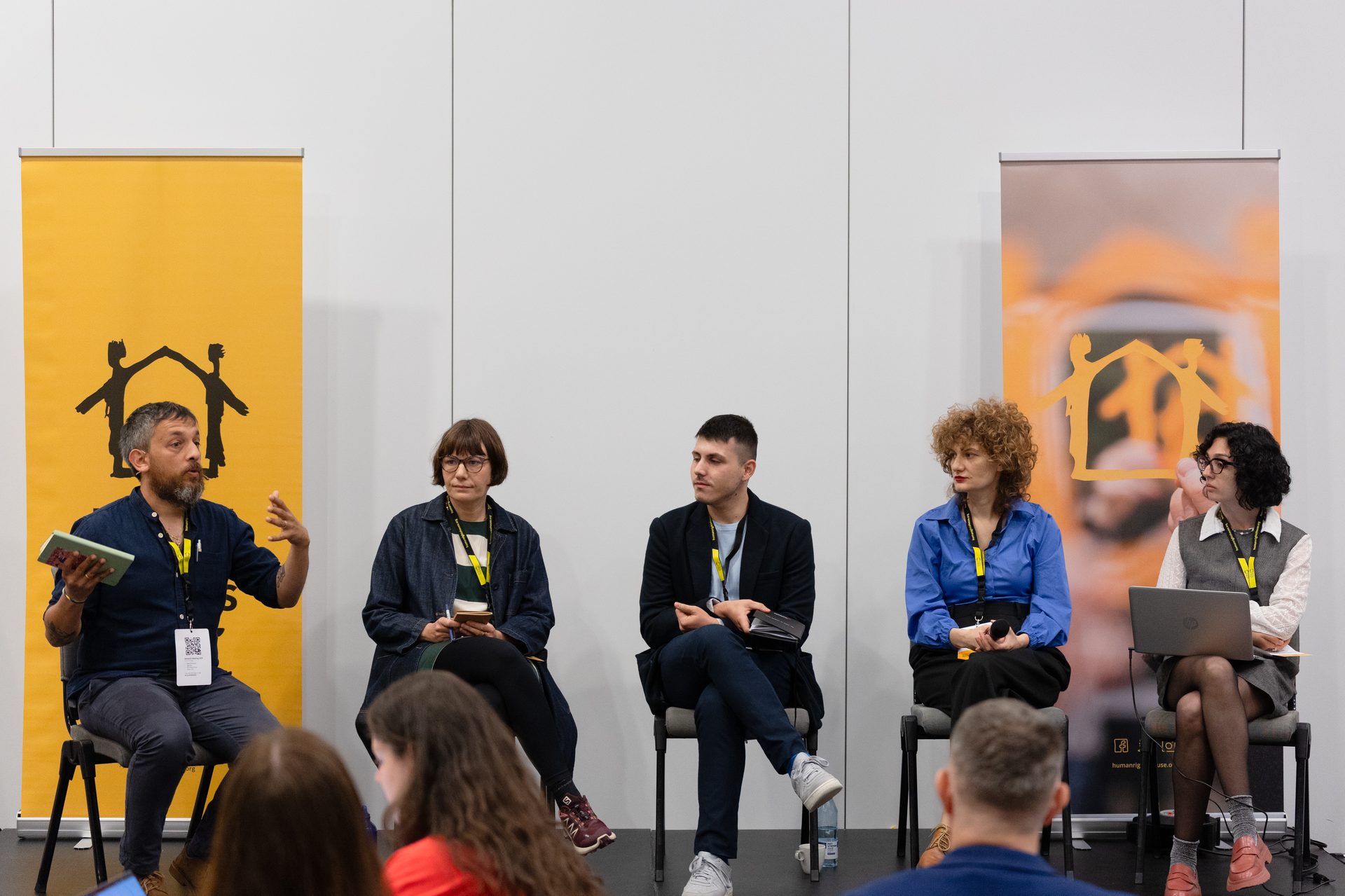
The 2025 Human Rights Houses Network Meeting in Oslo, framed around the theme “Hope as a strategy,” brought together defenders and civil society leaders from across the wider European region to deepen connections, share learning, and advance joint responses to ongoing and emerging challenges and rapidly evolving realities, including repression and conflict. Over five days, participants addressed common challenges—from countering anti-NGO narratives to supporting civil society in exile—while strengthening thematic cooperation and coordinated advocacy among HRHs. Network members used this and other meetings throughout the year to stand in solidarity with political prisoners in the region, and to call for the release of imprisoned colleagues.
HRDs at risk (including family members) received protection support
0
%
Joint Network initiatives to promote human rights
0
Members of the Network of Human Rights Houses
0
+
In 2025, HRHF strengthened the Human Rights Houses Network as a connected, visible, and strategically guided community of human rights defenders working in increasingly challenging contexts. A newly established Network Advisory Council held its first meeting alongside the “Hope as a strategy” Network Meeting, bringing together civil society experts from various countries from within and beyond the Network to strengthen the Network’s strategic development during increasingly challenging times. At the same time, HRHF elevated the voices and visibility of defenders from the Network and beyond through in-depth interviews and the third edition of the Portraits of Strength photography series, including regional exhibitions and media republication.
Strengthening
the promotion and protection of rights that underpin independent civil society
June: HRHF and Ukrainian civil society, including representatives of Human Rights House Crimea and its member organisations, advocate at a HRC Side event on disinformation.
Supporting the UN Special Rapporteur on human rights in Belarus
In 2025, HRHF continued to support the UN Special Rapporteur on the situation of human rights in Belarus, strengthening the mandate’s reach and impact. This included facilitating a February consultation with Belarusian civil society in Vilnius, hosted by the Belarusian Human Rights House. HRHF also maintained regular contact on advocacy opportunities throughout the year. HRHF supported the Special Rapporteur’s advocacy engagement beyond Geneva. This included collaborating on an October advocacy visit to Washington, DC, to meet with key officials directly involved in negotiations with Belarus, and advising the Special Rapporteur’s office in relation to his earlier visits to Brussels and New York. This support helped the new mandate holder establish himself in the role quickly, while also ensuring that the mandate remained closely connected to Belarusian civil society, including those working in exile.
EU’s new Civil Society Strategy supports exiled HRDs following joint advocacy
In November 2025, the EU adopted its first Civil Society Strategy, a landmark framework that formally recognises civil society as essential to democracy and fundamental rights. HRHF worked to influence the strategy through joint advocacy with European civil society coalitions and human rights NGOs, with a particular focus on ensuring that it addressed the situation of human rights defenders in exile in the EU, whose protection needs are shaped by repression, displacement, and transnational threats originating outside the EU. Through consultation input and joint advocacy submissions, HRHF pushed alongside other international organisations for stronger EU recognition of visa and legal-status barriers, and the need for coordinated protection and support for defenders who continue their work from exile. These efforts were partly reflected in the final text, which now includes recognition of exiled defenders, transnational repression, urgent assistance, and the need for improved coordination and visa facilitation.
Sustaining attention on deteriorating rights and advocating for strengthened international standards
In 2025, HRHF and partners from the Network and beyond contributed to stronger international standards and accountability mechanisms on key civic space priorities, including restrictive foreign-funding laws, SLAPPs, and transnational repression, through coordinated engagement in UN Human Rights Council (HRC) processes. Building on long-term analysis with Network members, HRHF identified gaps, consolidated evidence and case examples, and worked with other NGOs to influence resolutions and push back against illiberal narratives. At the same time, HRHF and partners worked to sustain international attention on deteriorating human rights situations across our region. Through advocacy and documentation, we sought to increase pressure on domestic authorities and the international community to respond to violations, underscoring the essential role of civil society in exposing abuses and informing international response and accountability processes.
Decade of advocacy contributes to landmark CoE treaty protecting human rights lawyers
In 2025, the Council of Europe adopted the Convention for the Protection of the Profession of Lawyer—the first binding European treaty of its kind, guaranteeing lawyers’ independence, safety, and professional rights. HRHF and partners from the Network and beyond worked for more than a decade to document and build evidence of the situation faced by human rights lawyers, and to sustain advocacy and provide expertise with COE stakeholders. HRHF and Network partners provided consolidated regional evidence and analysis to Council of Europe actors during the final opinion and negotiation phase, and engaged with supportive stakeholders to underline the need for the Convention to protect all lawyers, including those disbarred or excluded from Bar associations for human rights work.
Urging Norway to strengthen its role as a defender of human rights alongside Norwegian civil society partners
As an international NGO based in Norway, HRHF works in close cooperation with other Norwegian human rights organisations to advocate for and promote a Norwegian foreign policy which promotes and protects human rights. In 2025, HRHF urged the Norwegian Parliament to increase support for international human rights work in the State Budget for 2026. Alongside seven Norwegian NGOs, HRHF encouraged Norway to make the visa process for human rights defenders easier, and HRHF Chairperson, Bernt Hagtvet, urged Norway and Europe to take a leading role as global defenders of human rights in the wake of the new Trump presidency.
Working with partners to build international pressure as a response to the crisis in Georgia
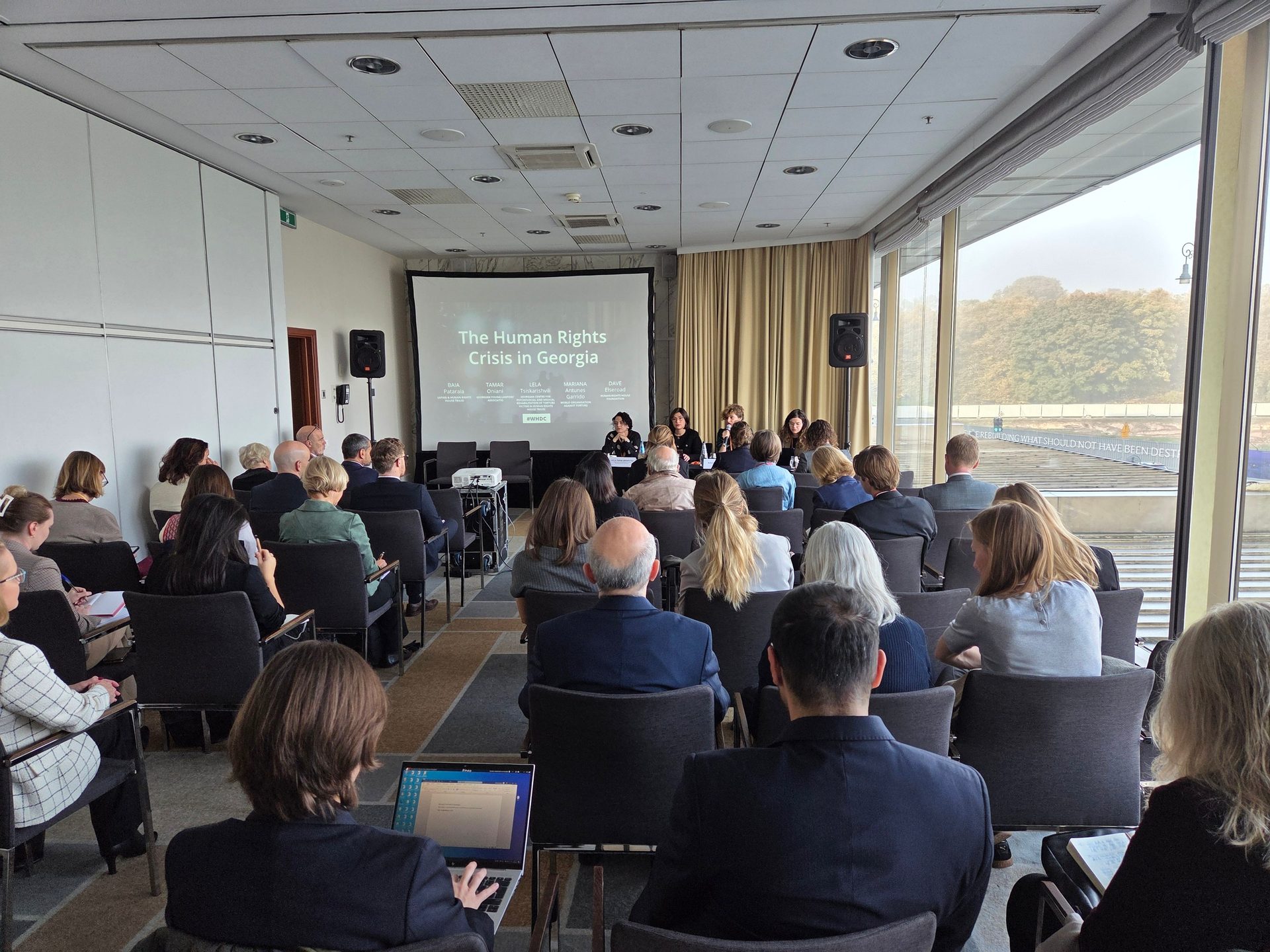
In 2025, HRHF worked closely with Georgian civil society partners to call for action to address the country’s rapidly deteriorating human rights situation. Drawing on comparative experience from contexts such as Belarus, Russia and Azerbaijan, HRHF helped partners to map advocacy opportunities across UN, OSCE, EU, Council of Europe, and bilateral channels; facilitated access to key international actors; and ensured broad, credible, and representative Georgian civil society engagement. The concerns raised by Georgian civil society gained sustained international attention, reflected in resolutions, joint statements, OSCE Moscow Mechanism invocation, and UPR recommendations.
International standards, mechanisms, and national laws strengthened following HRHF and Network advocacy
0
%
International human rights mechanisms engaged with by HRHF and Network partners
0
Activities jointly implemented by HRHF and Network partners to advocate for strengthened international and domestic human rights policies
0
+
In 2025, HRHF worked alongside members of the Network of Human Rights Houses and other civil society partners on the domestic and international levels to advocate for responses to deteriorating human rights situations and shrinking civic space across the wider European region. Through domestic advocacy and sustained engagement with the United Nations (UN), the Organization for Security and Co-operation in Europe (OSCE), European Union (EU), and Council of Europe (CoE), HRHF supported partners and ensured that local civil society voices contributed to policy-making on the domestic and international levels. This helped to shape and strengthen existing and new reporting and accountability mechanisms, and States’ bilateral policies. Our outcomes ranged from advancing civil society messaging around the crisis unfolding in Georgia, and supporting the UN Special Rapporteur on Belarus’ engagement with civil society, to contributing to landmark policy developments, including the CoE Convention on protecting lawyers, and the EU’s first-ever Civil Society Strategy. Together, the efforts of HRHF and our partners helped to maintain international attention on critical human rights trends, including reprisals, transnational repression, closing space, and more. HRHF also successfully reinforced the role of civil society in informing international responses, creating openings for engagement bilaterally and in plenary.
Europe must lead human rights protection and Norway must take a clear role
February: HRHF’s Chairperson Bernt Hagtvet urged Europe and Norway to take a leading role in global human rights protection in an op-ed for the Norwegian publication VG.
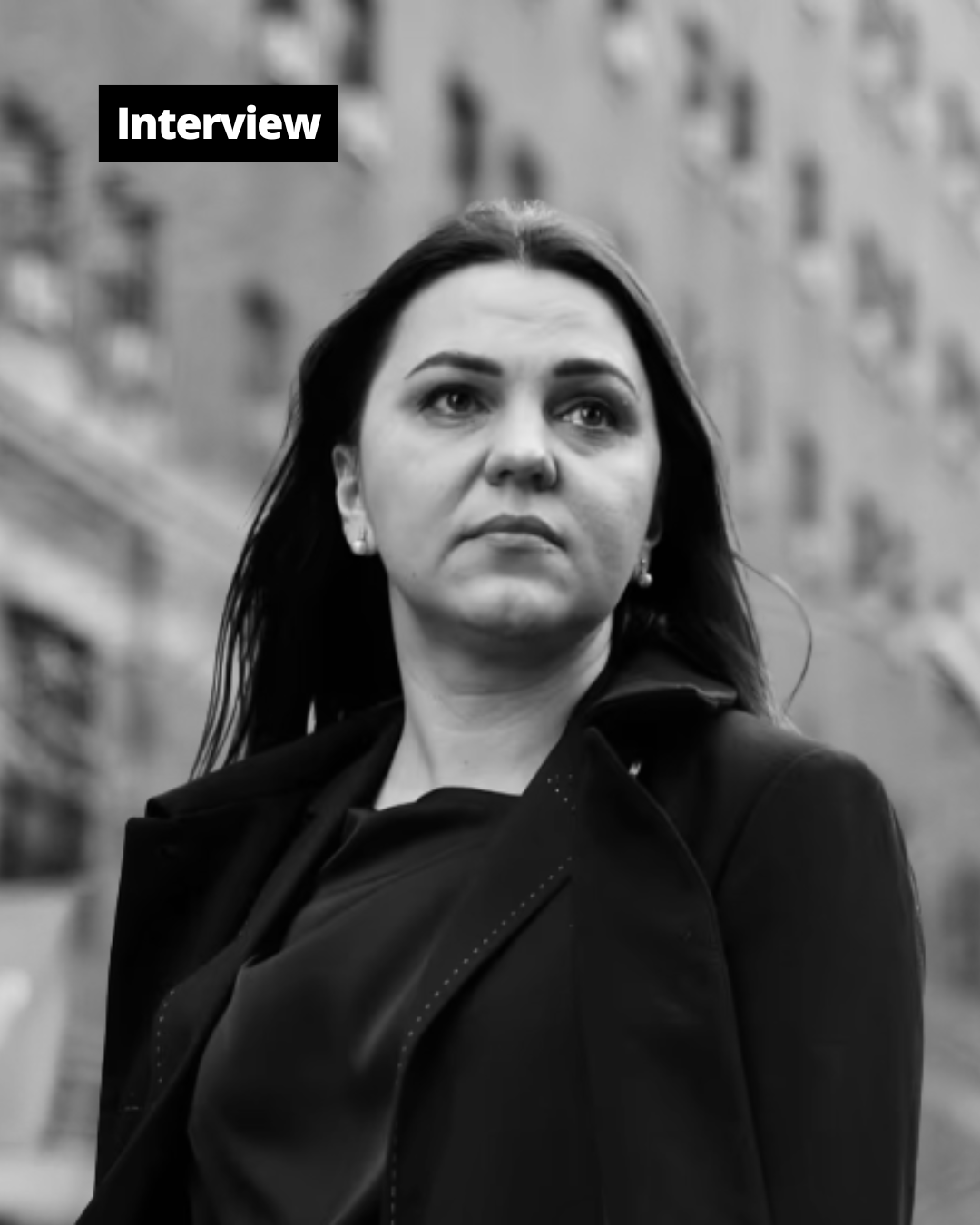
Torturers and their handlers are being awarded and rewarded by the Georgian authorities
February: In an interview with HRHF and published by EU Neighbours East, Lela Tsiskarishvili (GCRT / Human Rights House Tbilisi) highlighted the Georgian authorities’ use of torture and ill-treatment against peaceful protesters, while rewarding those responsible and deepening repression.

Ukraine’s fight for justice amidst crisis of Russian impunity
February: In an interview with HRHF, Tetiana Pechonchyk (ZMINA / Human Rights House Crimea and Educational Human Rights House Chernihiv) warns that Russian impunity continues to drive atrocities in Ukraine, while calling for stronger international support for justice, accountability, and Ukrainian civil society.
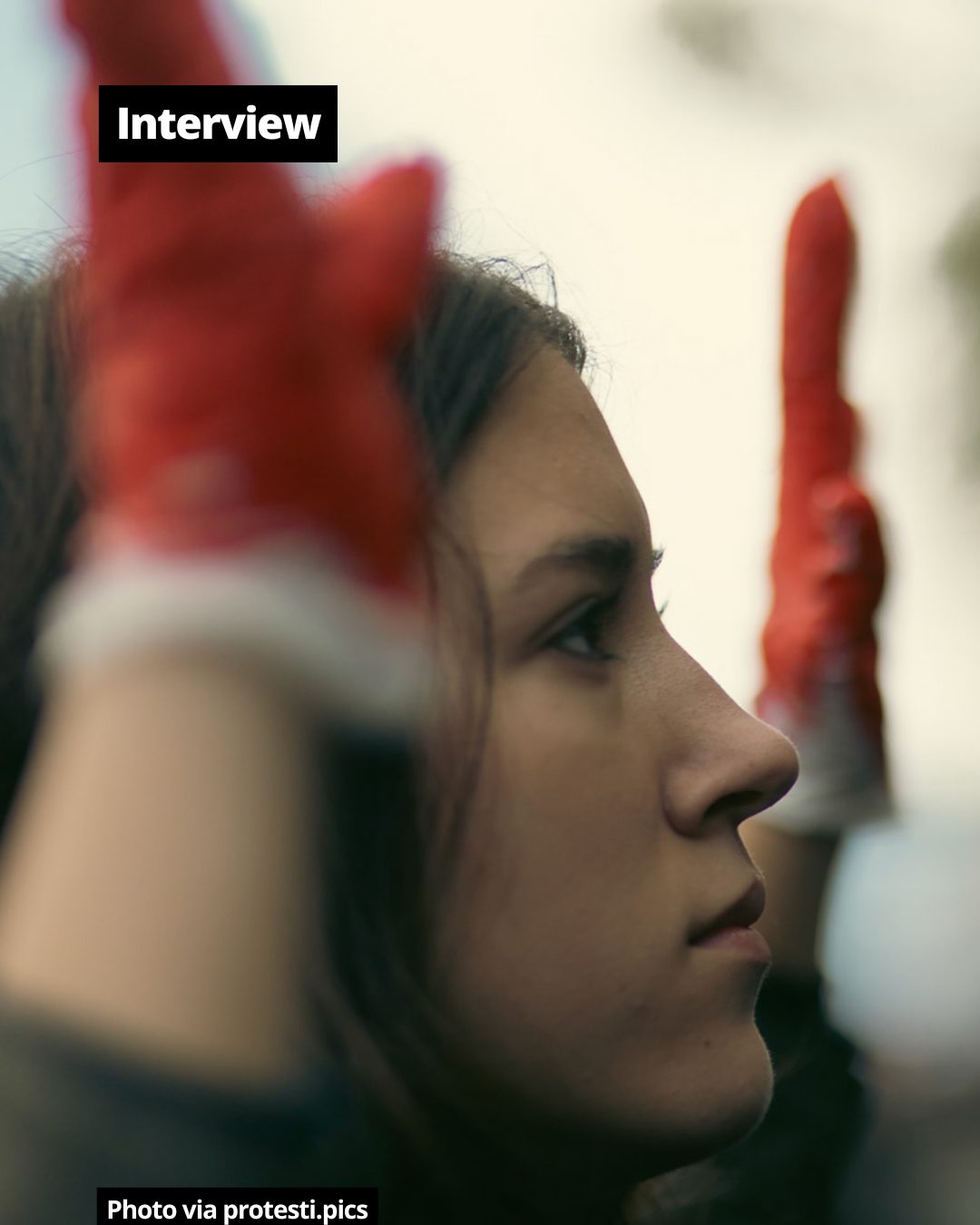
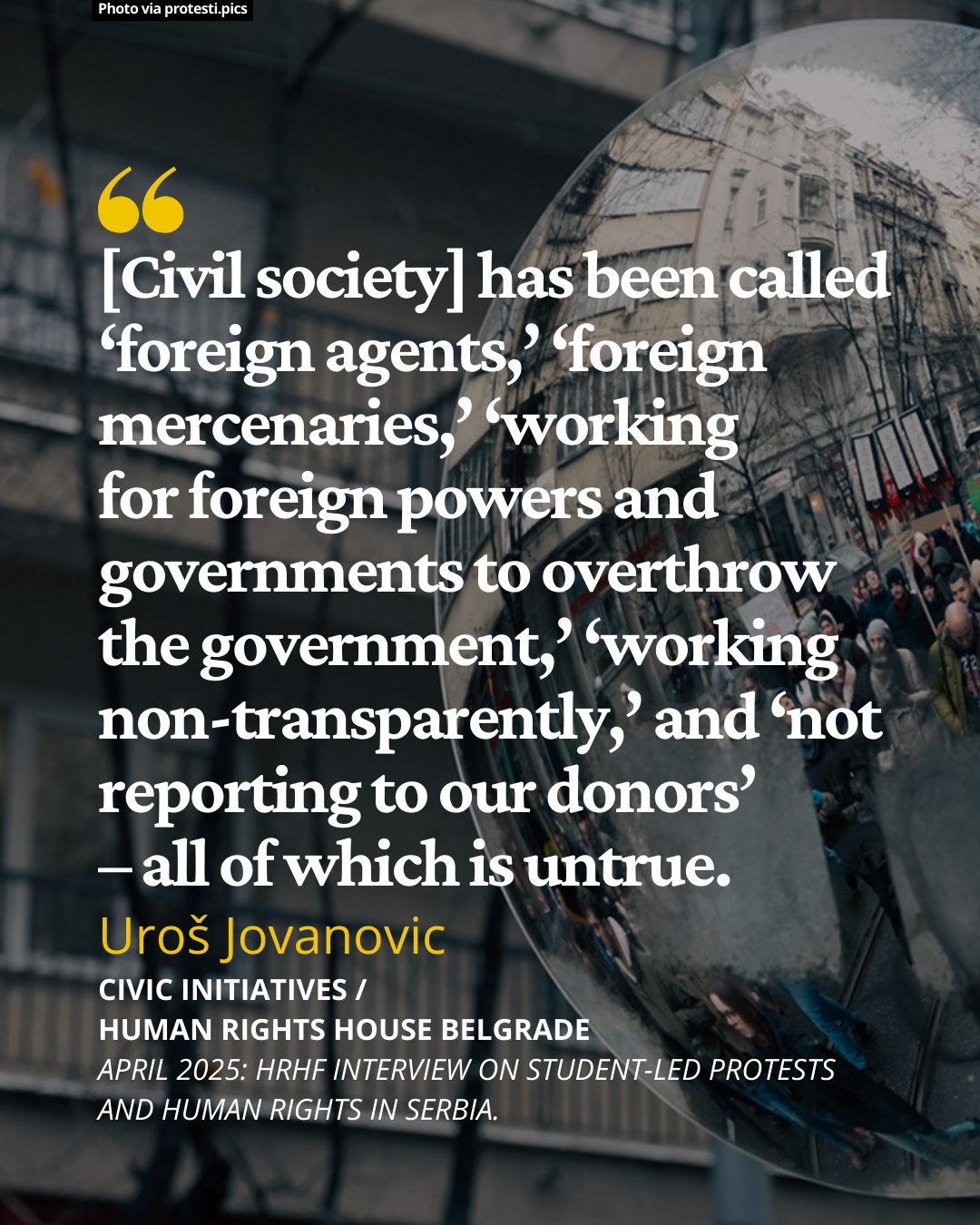
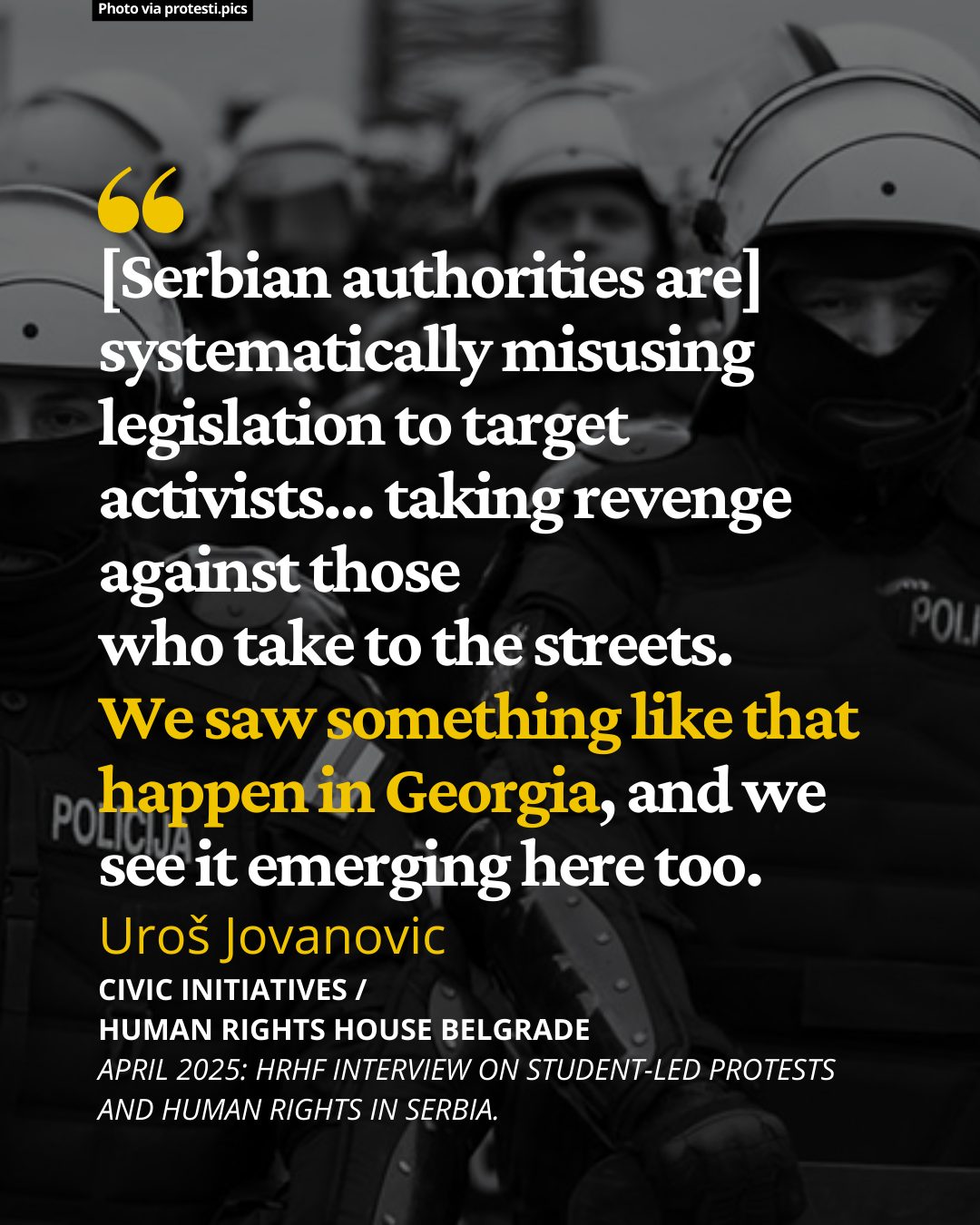
Serbia’s “Pumpaj” – Historic Student-led Protests Expose Mounting Pressure on Civil Society
April: In an op-ed for HRHF, Uroš Jovanović (Civic Initiatives / Human Rights House Belgrade) argues that Serbia’s student-led “Pumpaj” protests have exposed mounting pressure on civil society, amid intimidation, surveillance, and a muted international response.
“The progressive human rights agenda is almost absent [in lead-up to 2026 elections in Armenia]”
August: In an interview with HRHF, Arpy Manusyan (Socioscope / Human Rights House Yerevan) argued that public apathy and polarisation have pushed human rights out of Armenia’s political agenda ahead of the 2026 elections, urging civil society to reconnect with the public.
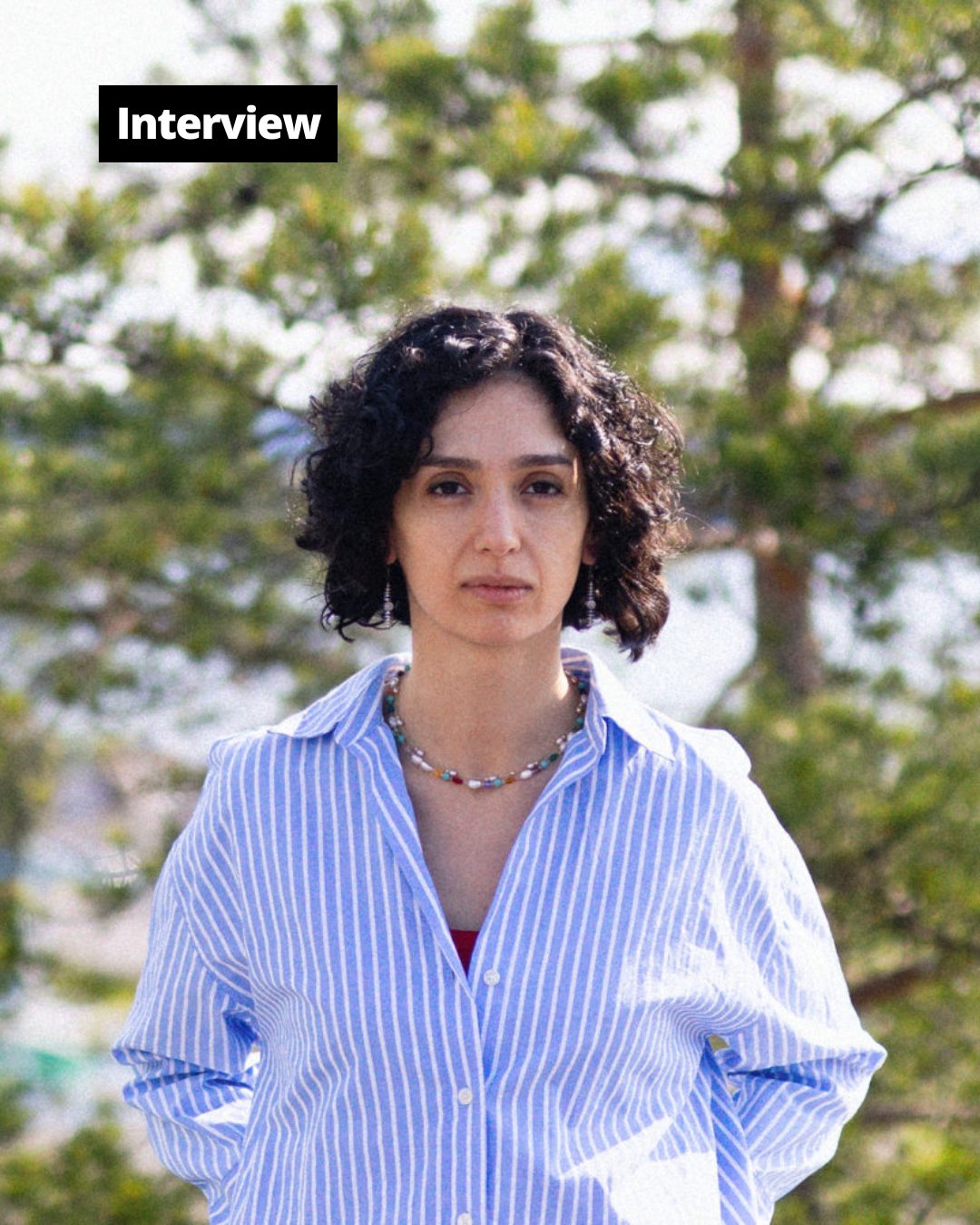
Plight of Belarusian political prisoners must not be forgotten
October: Atlantic Council published the testimony of Belarusian former political prisoner Andrei Chapiuk, urging continued attention to those still imprisoned under Lukashenka’s repression. HRHF also published a full interview with Chapiuk in the same month.
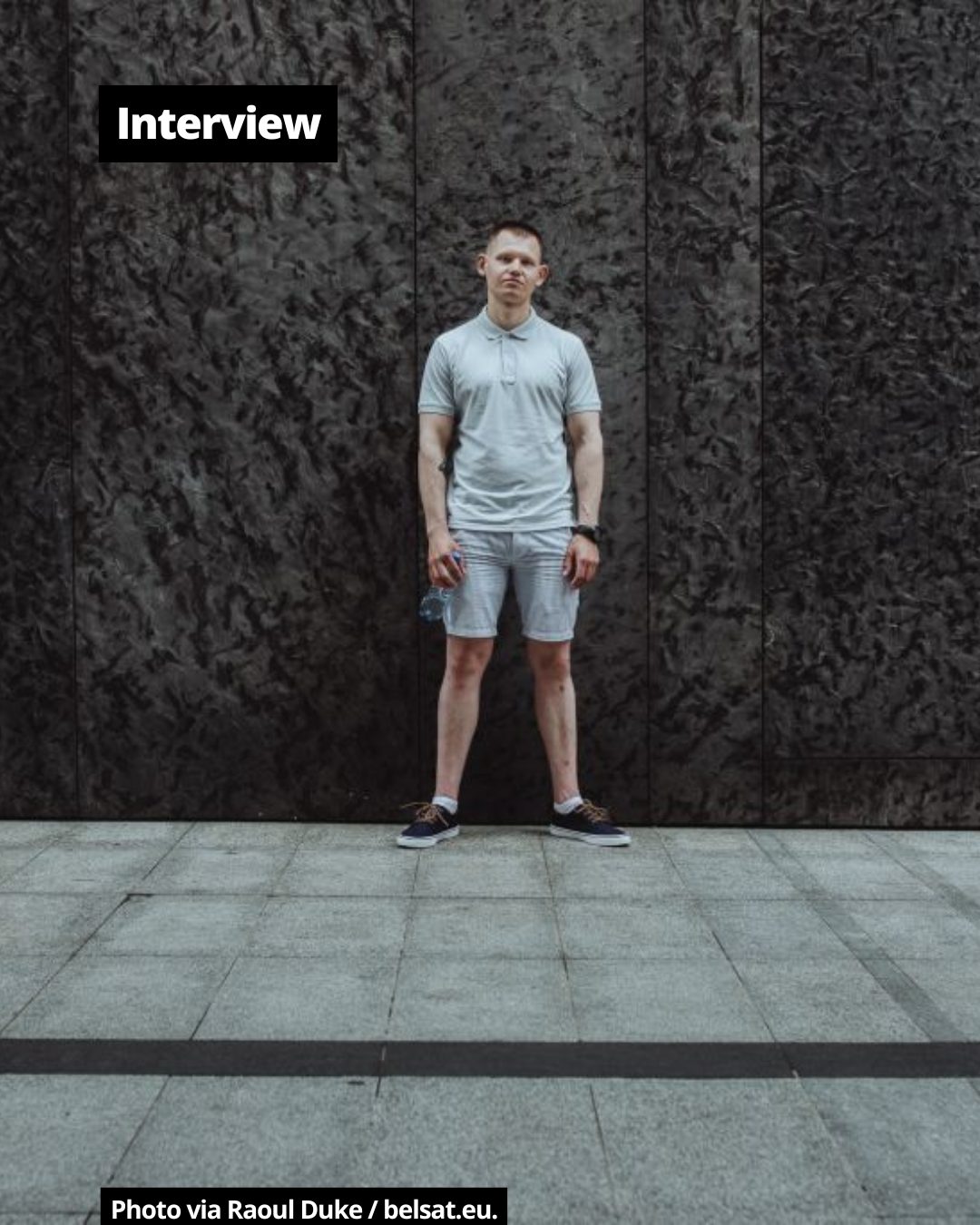
“Defending human rights in Russia is a lonely, exhausting, and often dangerous path. But some of us are still here—because someone has to be.”
November: In an interview with HRHF, a Russian human rights defender describes the escalating repression in Russia, where “foreign agent” laws, criminal cases, and surveillance are forcing many activists to stop work or flee.

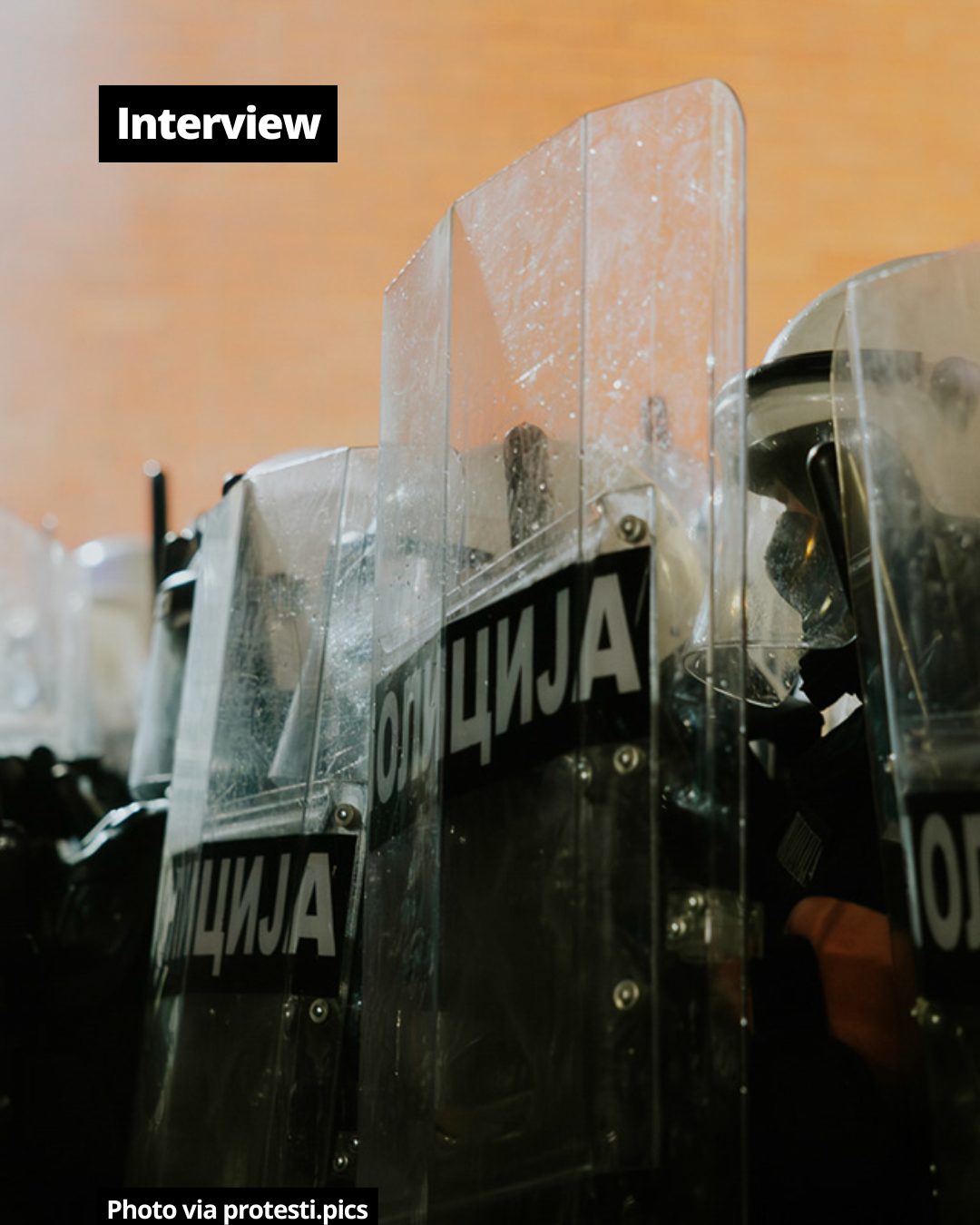
“The government’s ‘expecting violence’ rhetoric is a clear warning sign… that they’re preparing to create it.”
November: New Eastern Europe published a HRHF interview with Jovana Spremo (YUCOM / Human Rights House Belgrade), who warned of escalating repression in Serbia, as the government responds to student-led protests and growing dissent with force, intimidation, and attacks on civil society.
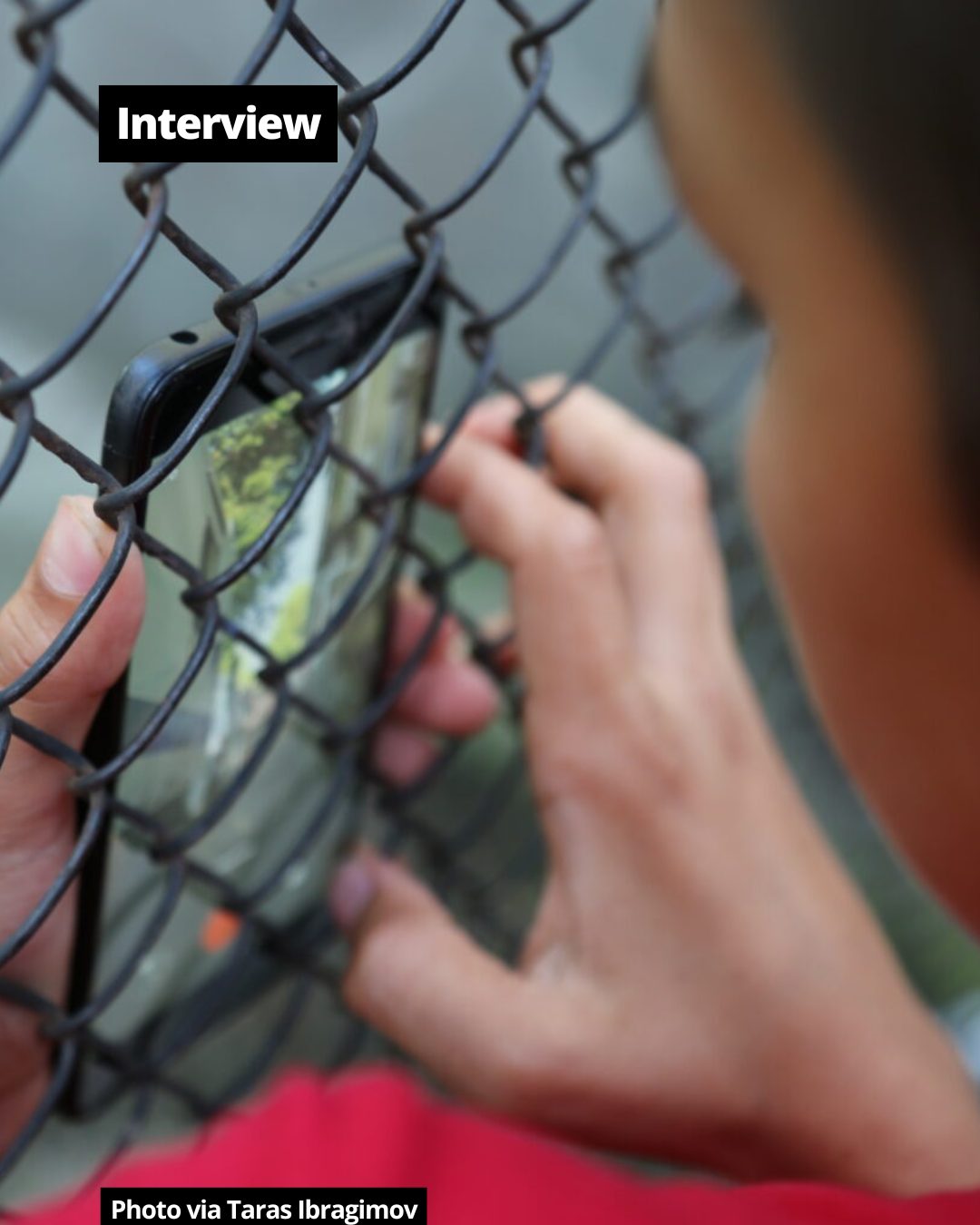
“Many people in Crimea are searching for loved ones abducted by Russia’s FSB”
December: In an interview with HRHF, a human rights defender from Crimea describes how enforced disappearances, incommunicado detention, and torture have become central tools of Russian repression in the occupied territories of Ukraine, and calls for stronger international action for civilian hostages.
Serbia’s shrinking civic space needs international attention
January: With support from HRHF, Alma Mustajbašić and Dragoslava Barzut (Civic Initiatives / Human Rights House Belgrade) warned in New Eastern Europe of a shrinking civic space in Serbia, citing arrests, smear campaigns, and growing Russian and Chinese influence undermining civil society.

Vi stenger døren for dem som forsvarer menneskerettighetene
November: Norwegian NGOs, including HRHF, warn in an op-ed for Panorama Nyheter that restrictive Schengen visa practices are excluding human rights defenders and undermining global efforts to protect rights and democracy.

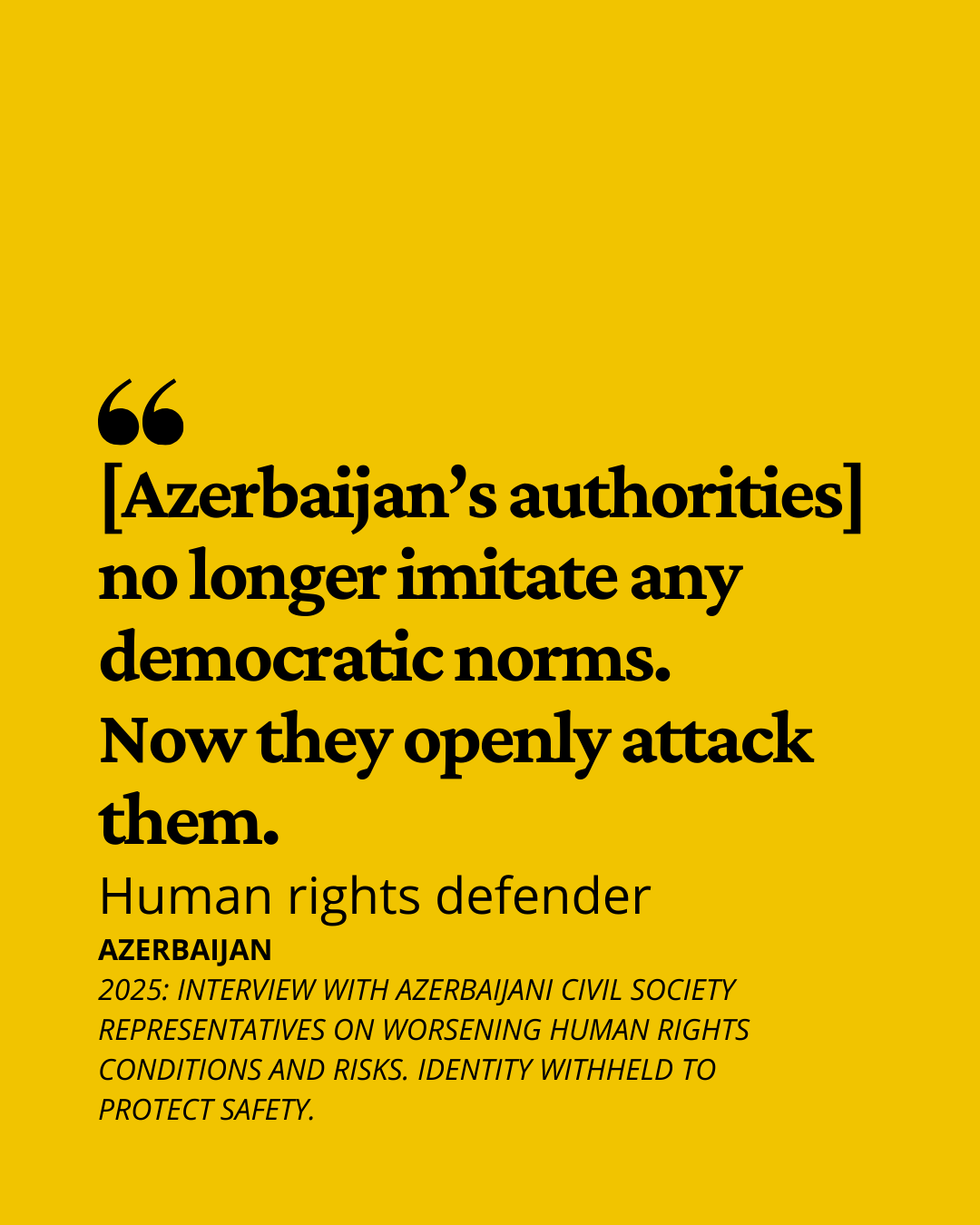
“Azerbaijan was heading to a new era, but ended up in a full-scale dictatorship”
September: New Eastern Europe published an HRHF interview with Azerbaijani human rights defenders who warned that the sweeping crackdown since 2023 has effectively closed civic space, pushing activists into exile or prison and consolidating authoritarian rule.
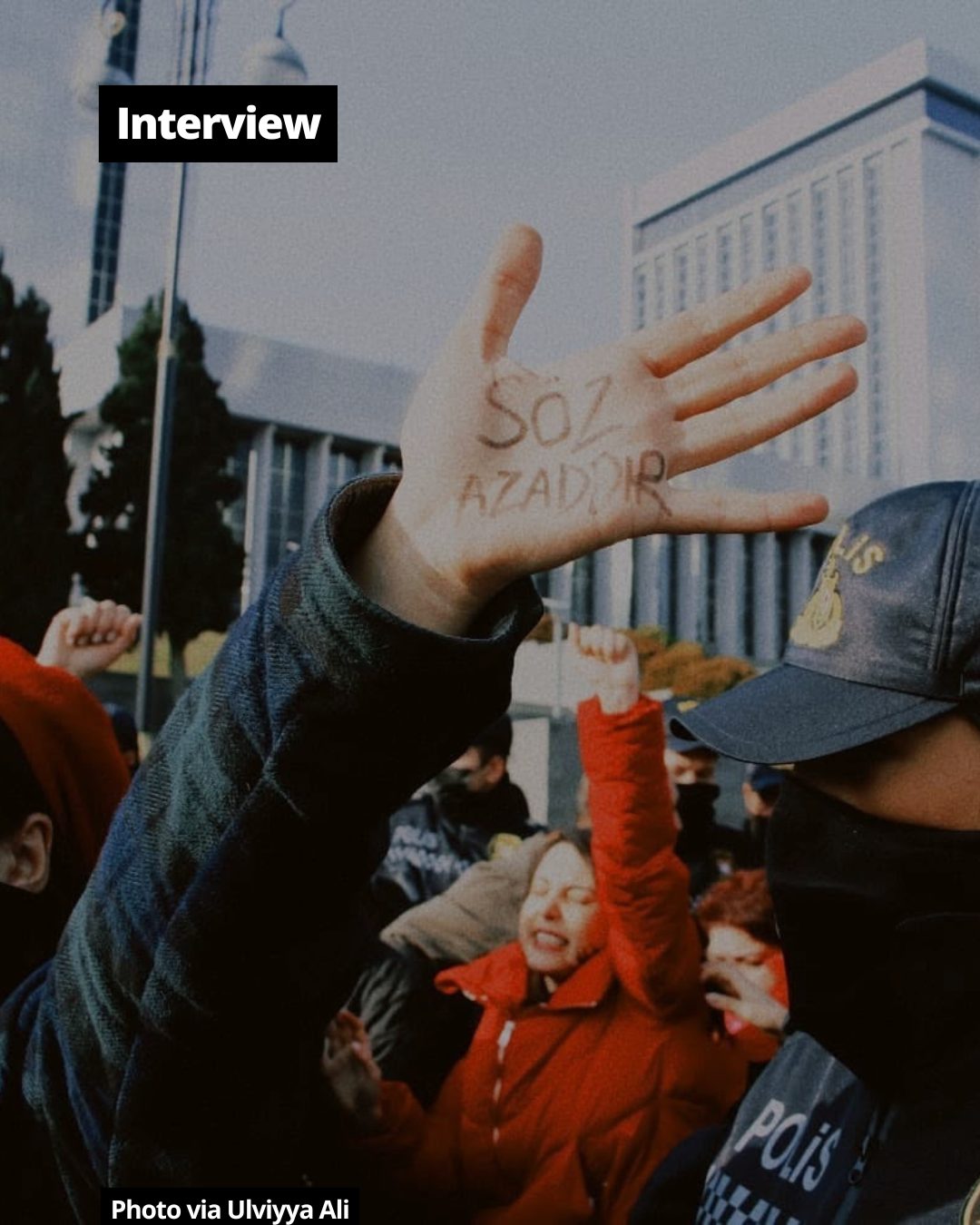
There is still time to pressure Georgian authorities
October: HRHF’s Head of Advocacy Dave Elseroad warned in New Eastern Europe that there was still time to pressure Georgian authorities ahead of elections, urging coordinated international action to counter escalating restrictions on civil society.
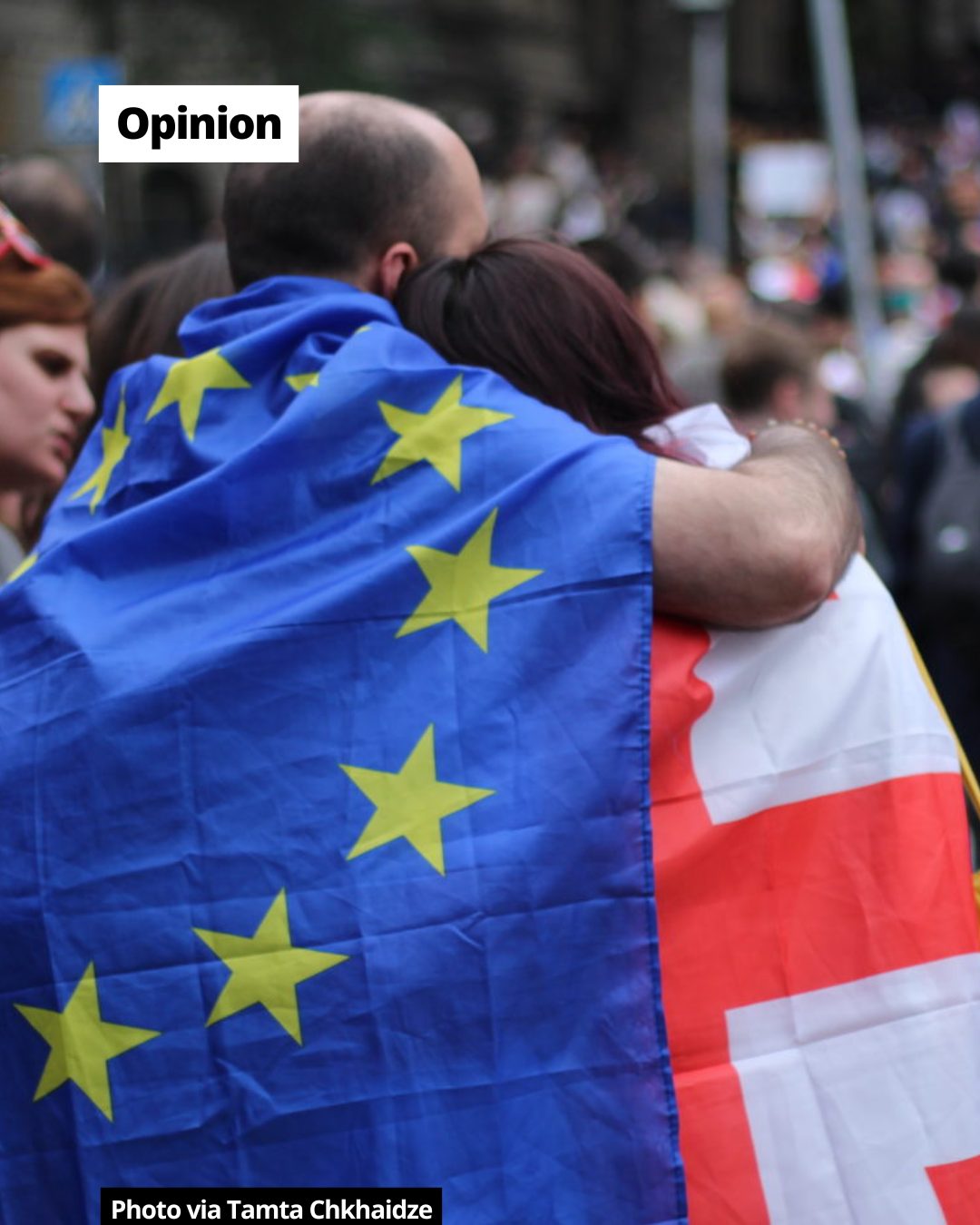
Prizes without freedom risk becoming trophies of hypocrisy
September: “This year’s Václav Havel Prize must signal the Council of Europe to turn praise of courage into action against autocrats, even within its own ranks,” argued Emin Abbasov (Independent Lawyers Network), Maria Dahle (Human Rights House Foundation), and Natallia Satsunkevich (Human Rights Centre Viasna) in International Politics and Society.
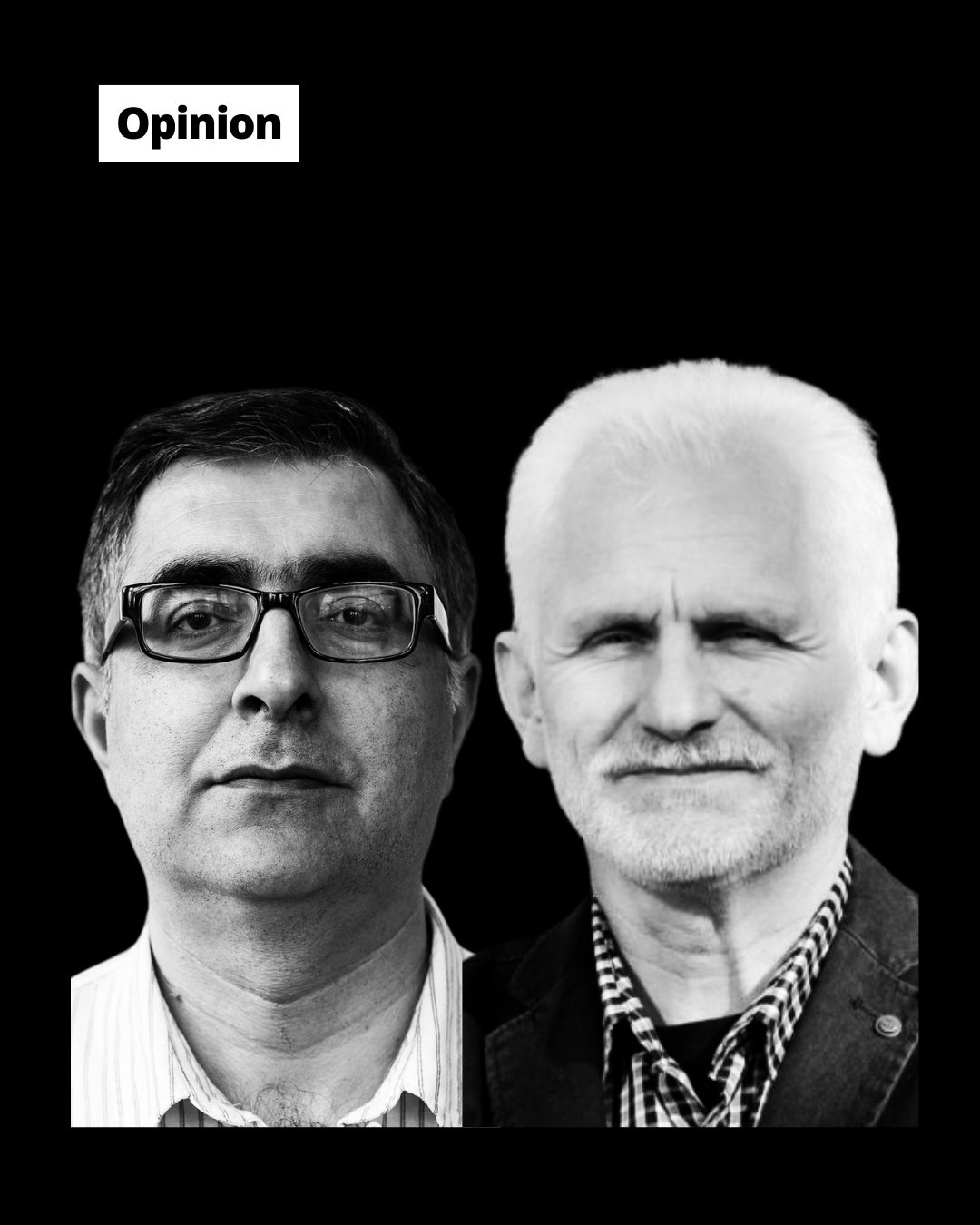
Georgia Follows Putin’s Playbook: “It’s Copy-Paste”
November: Baia Pataraia (Sapari / Human Rights House Tbilisi) urged that the West must not abandon Georgia in an op-ed for Dagsavisen supported by HRHF, and called for continued backing of those defending democracy.

2025 in opinion and interviews
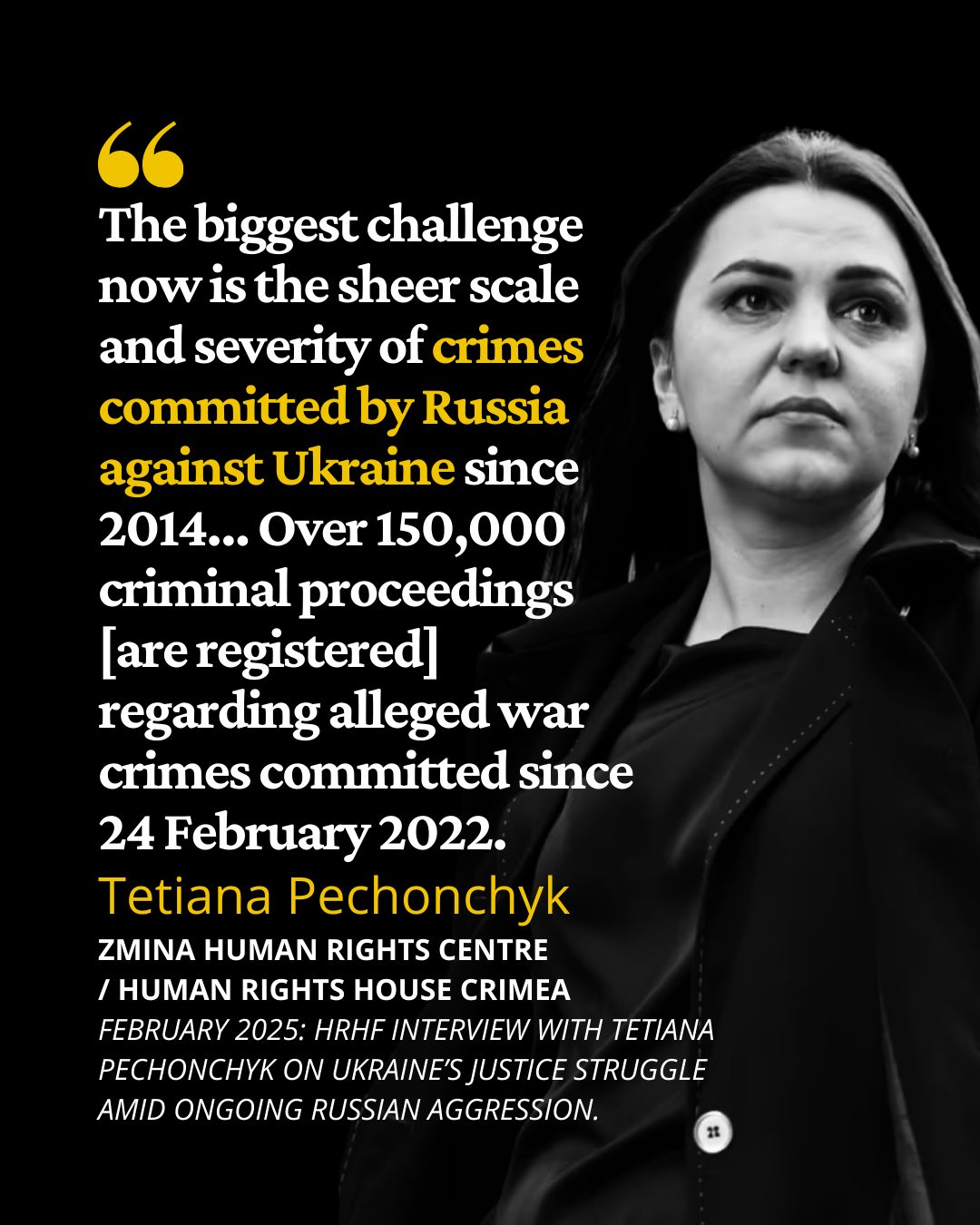
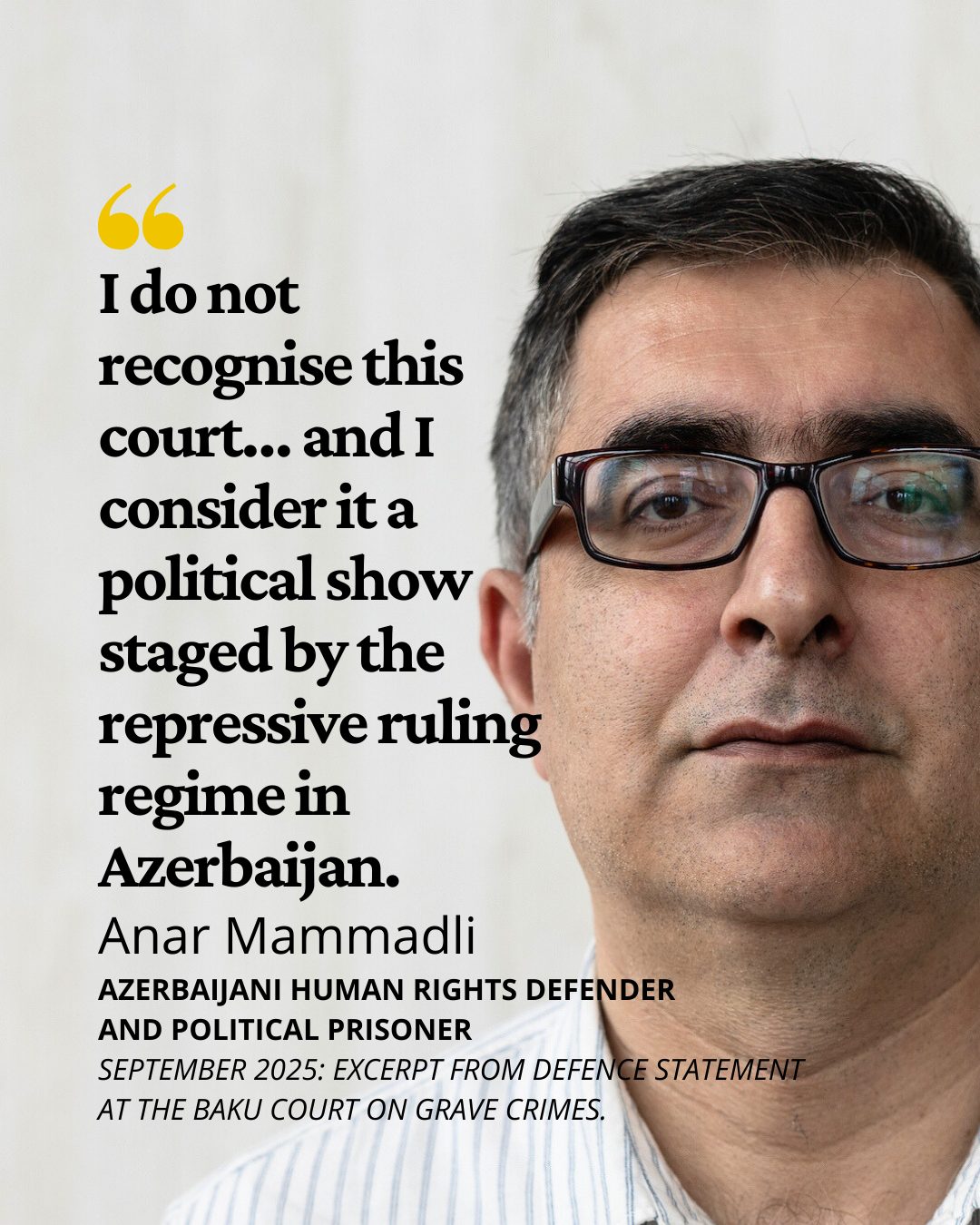
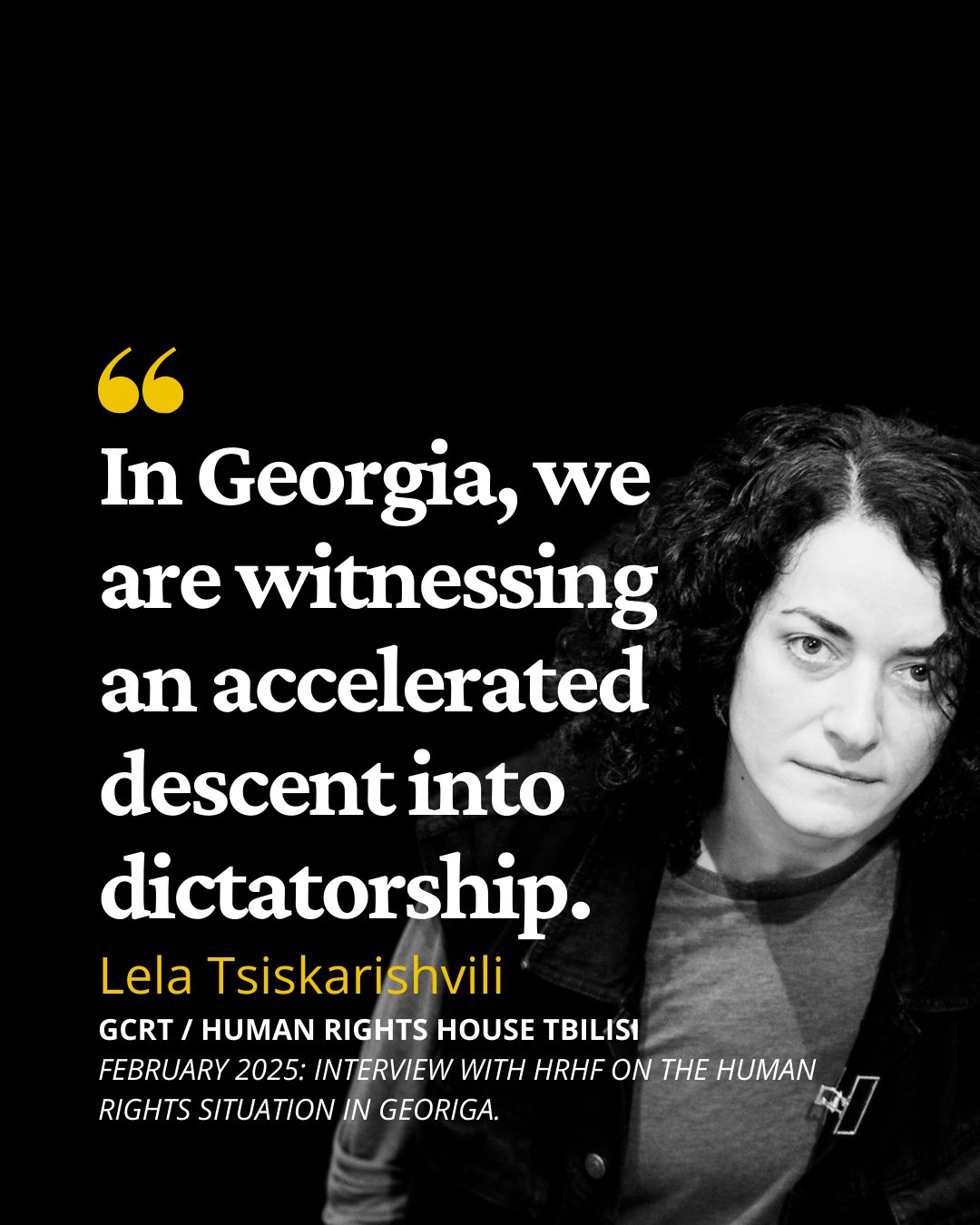
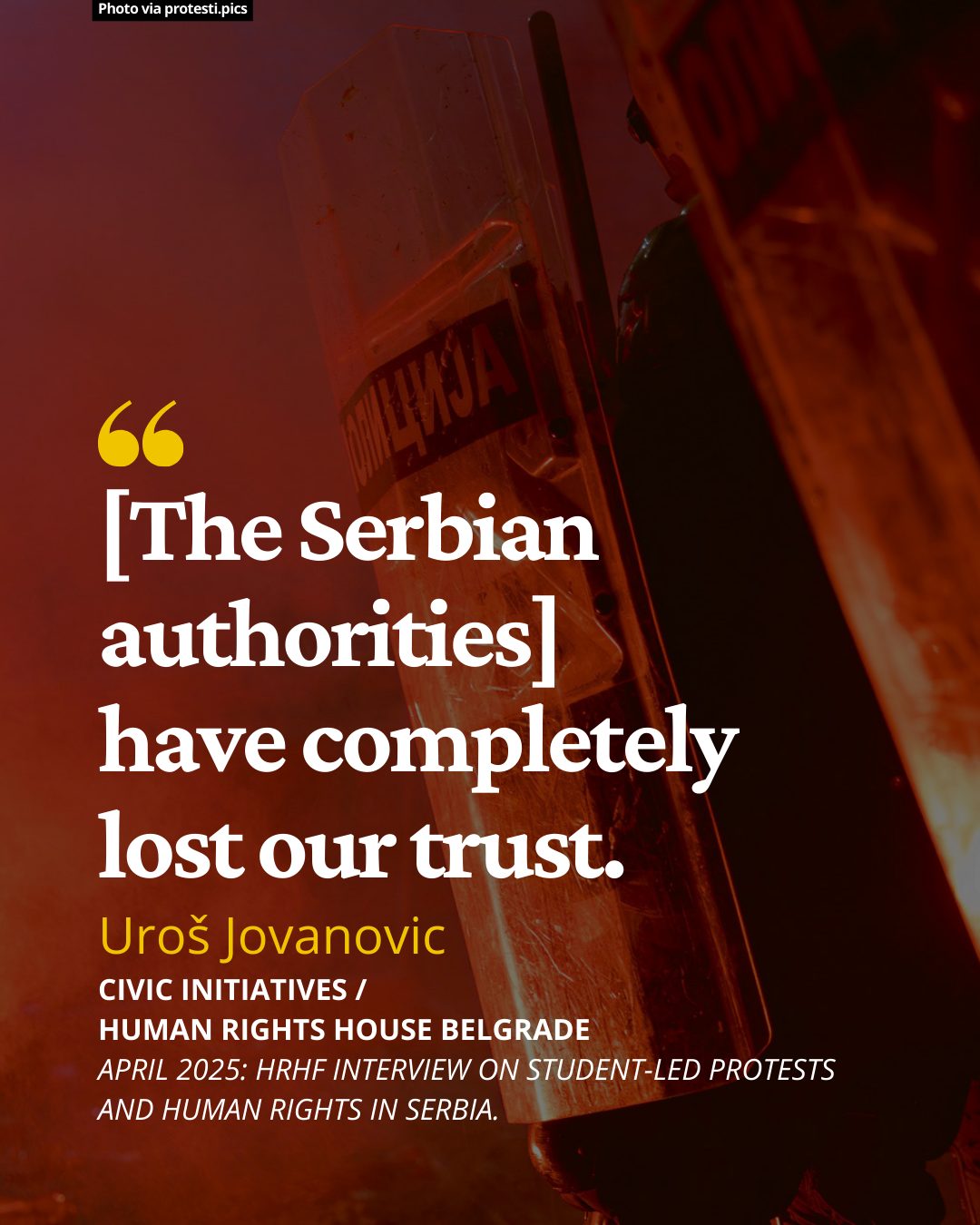
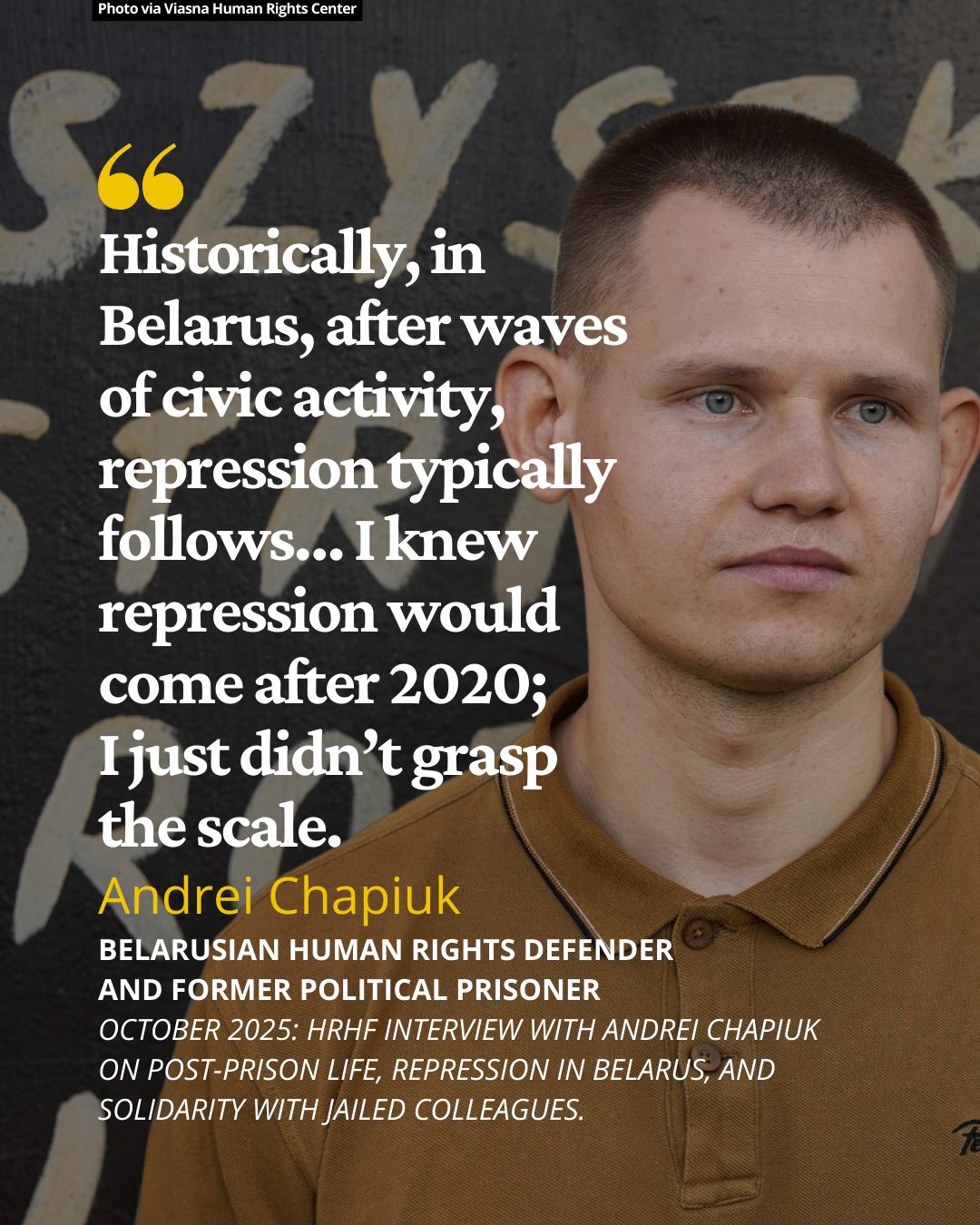
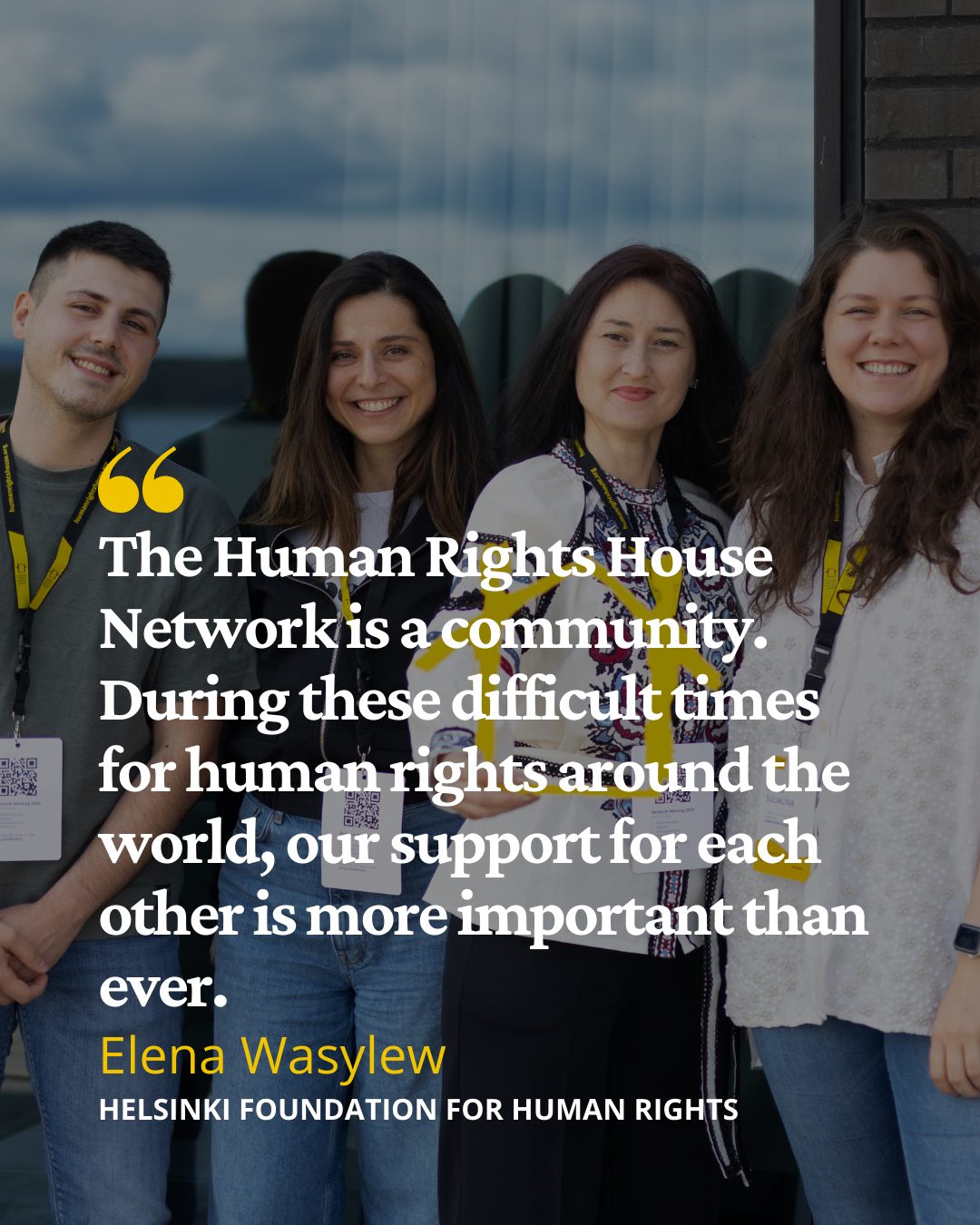
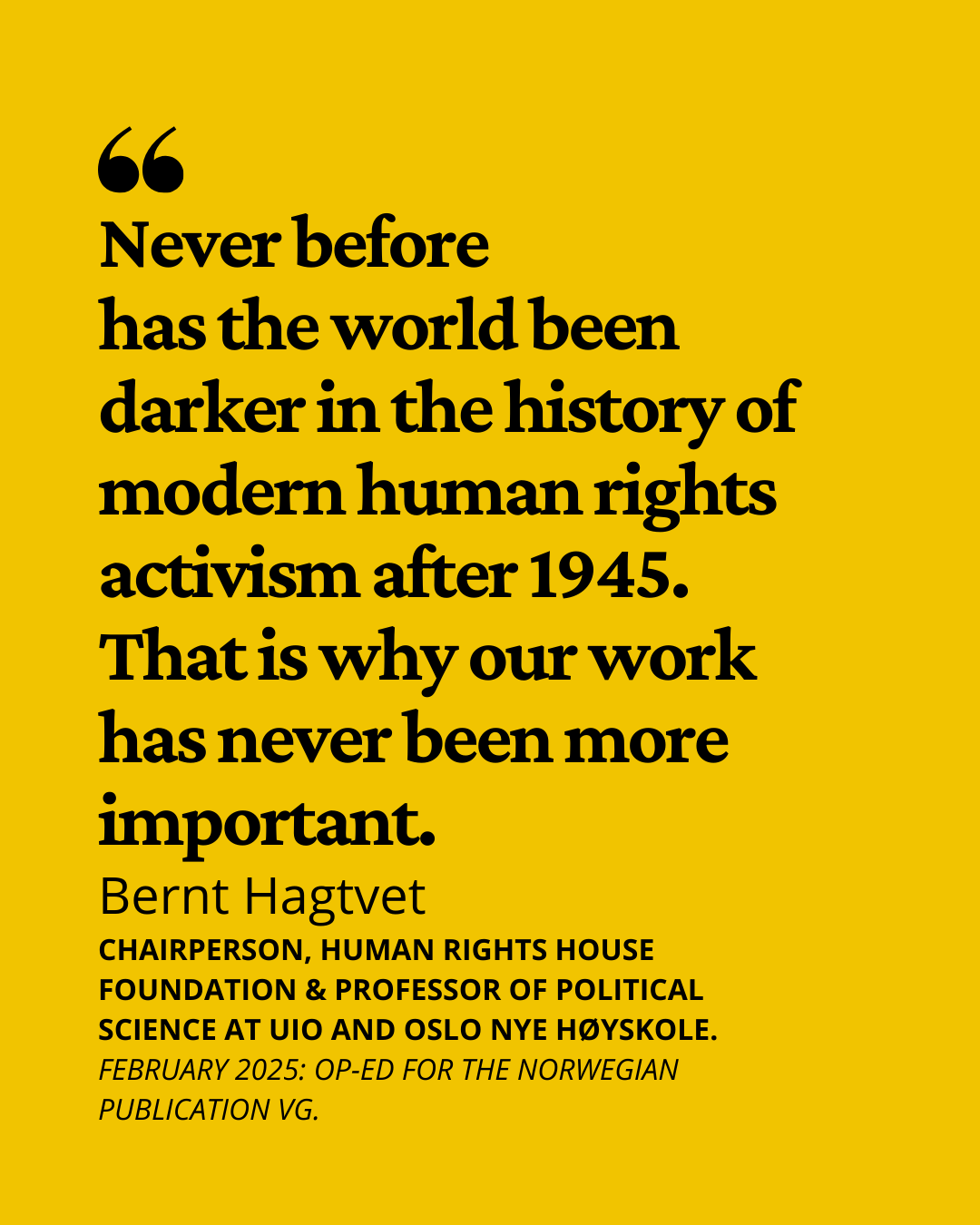
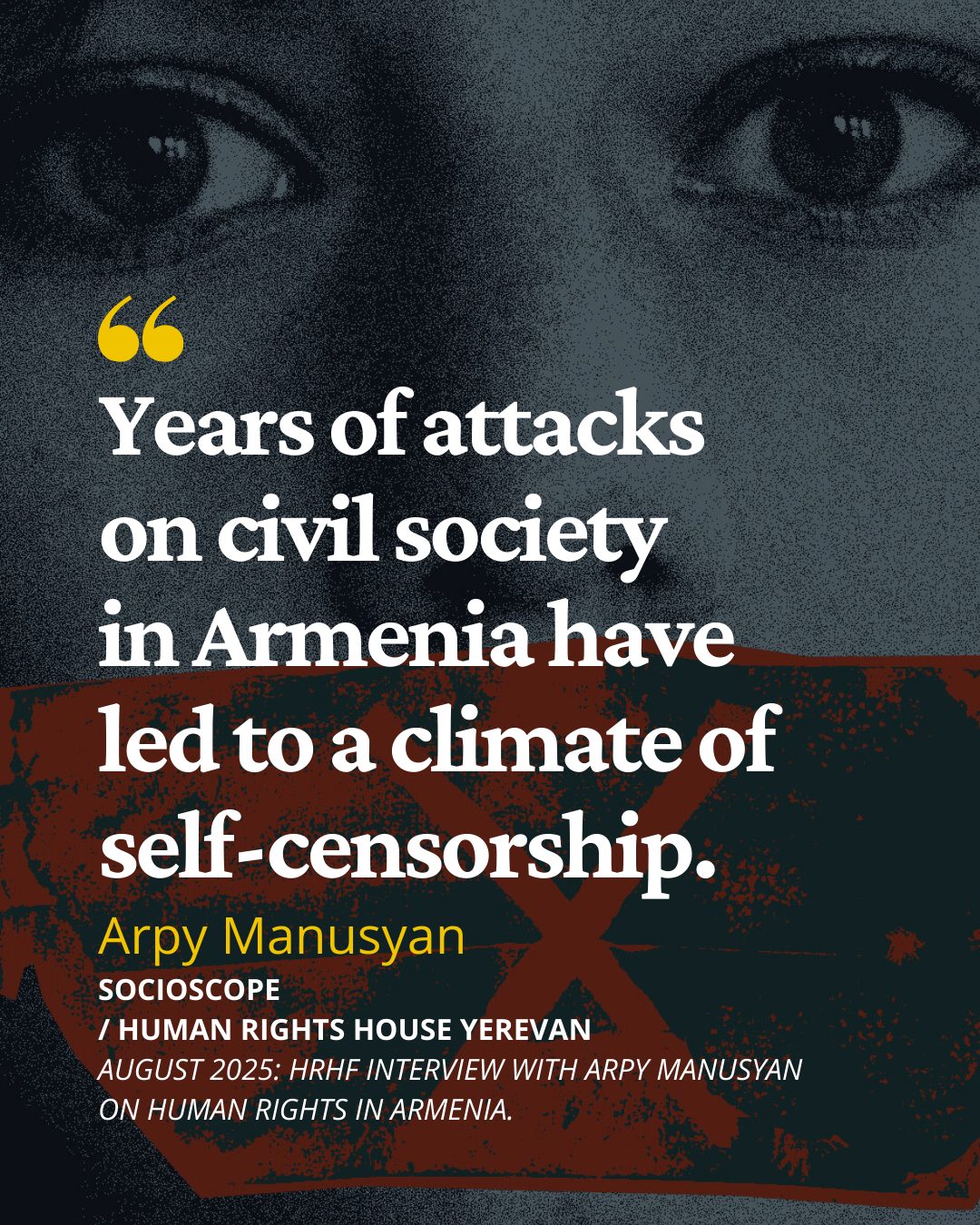
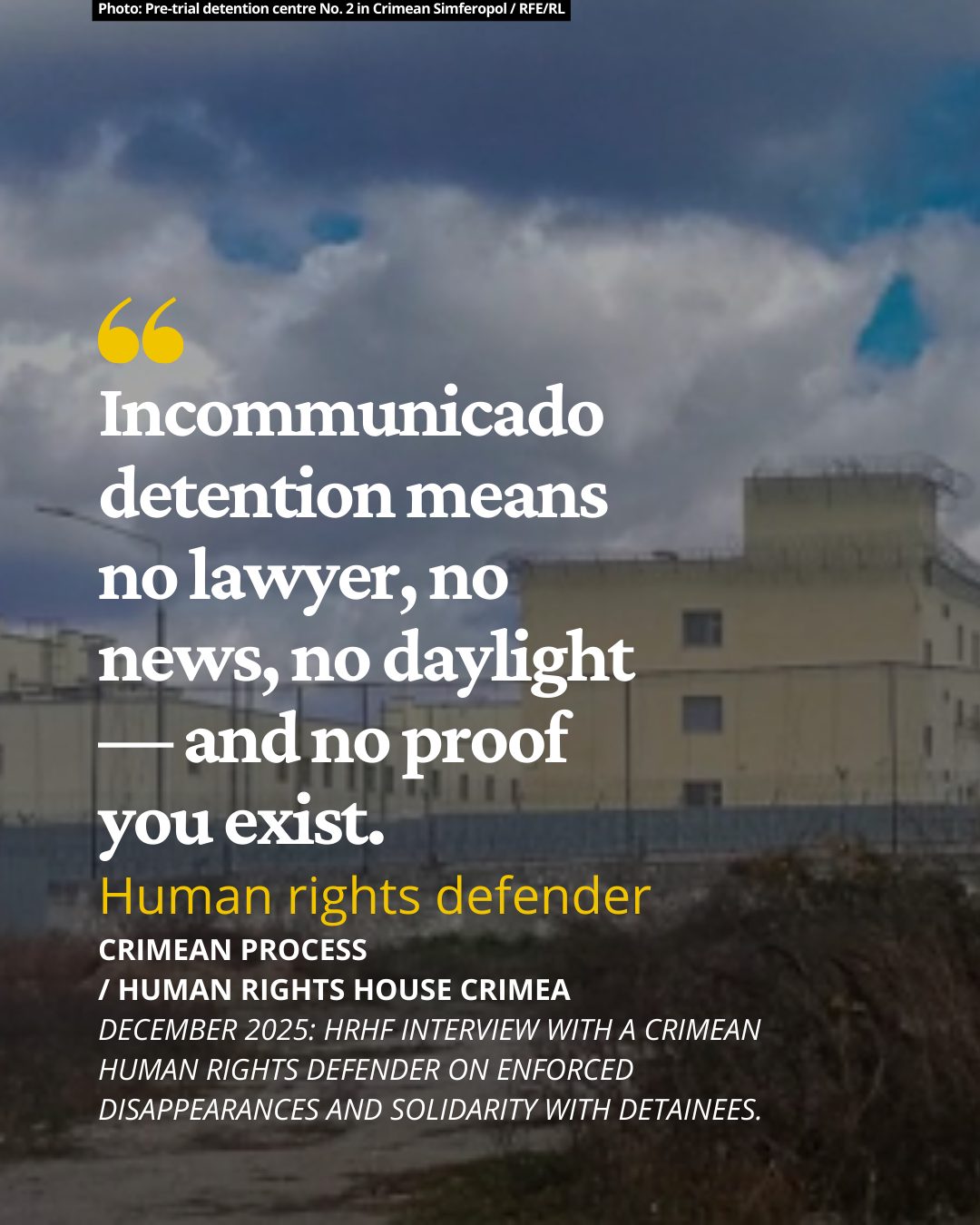
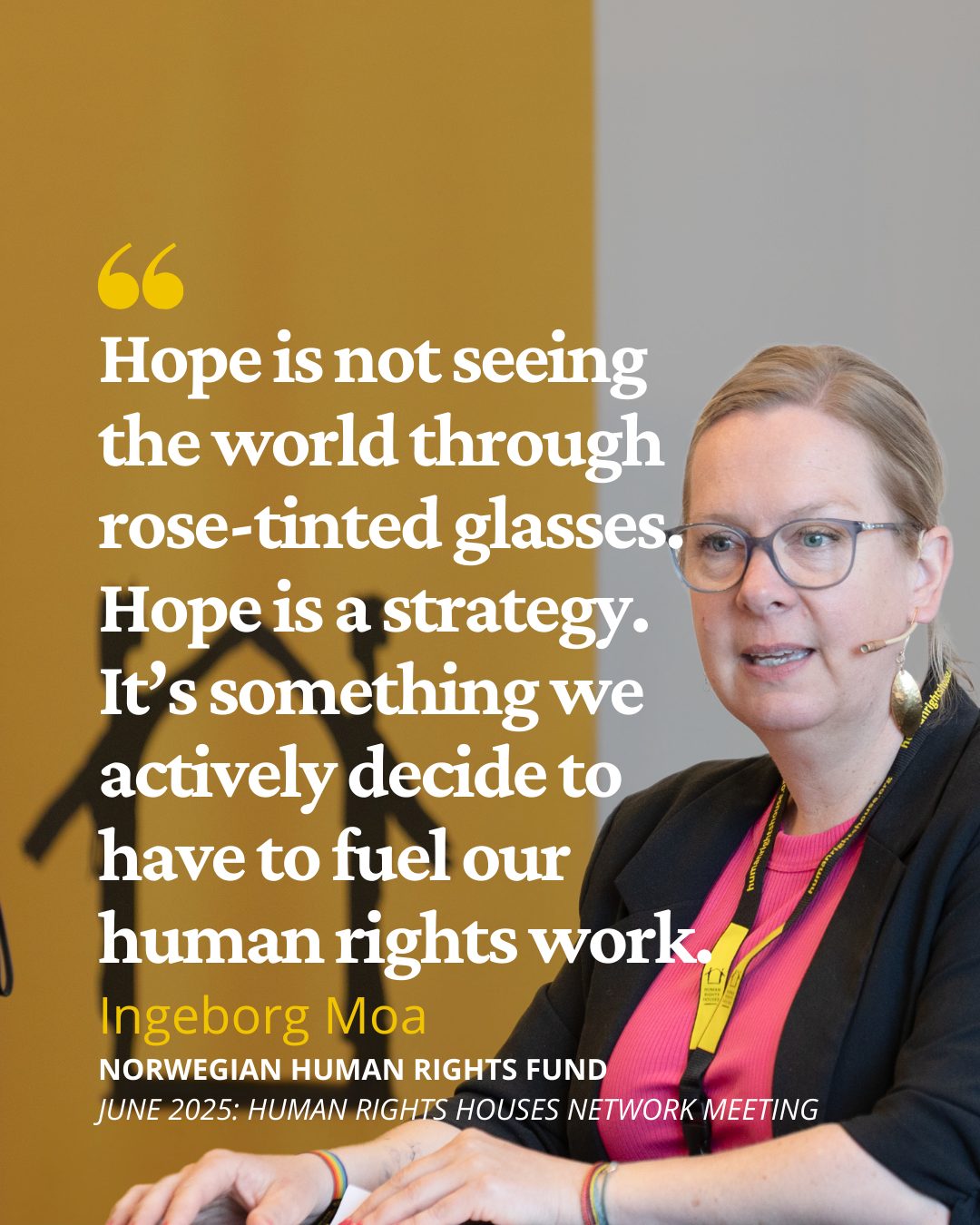
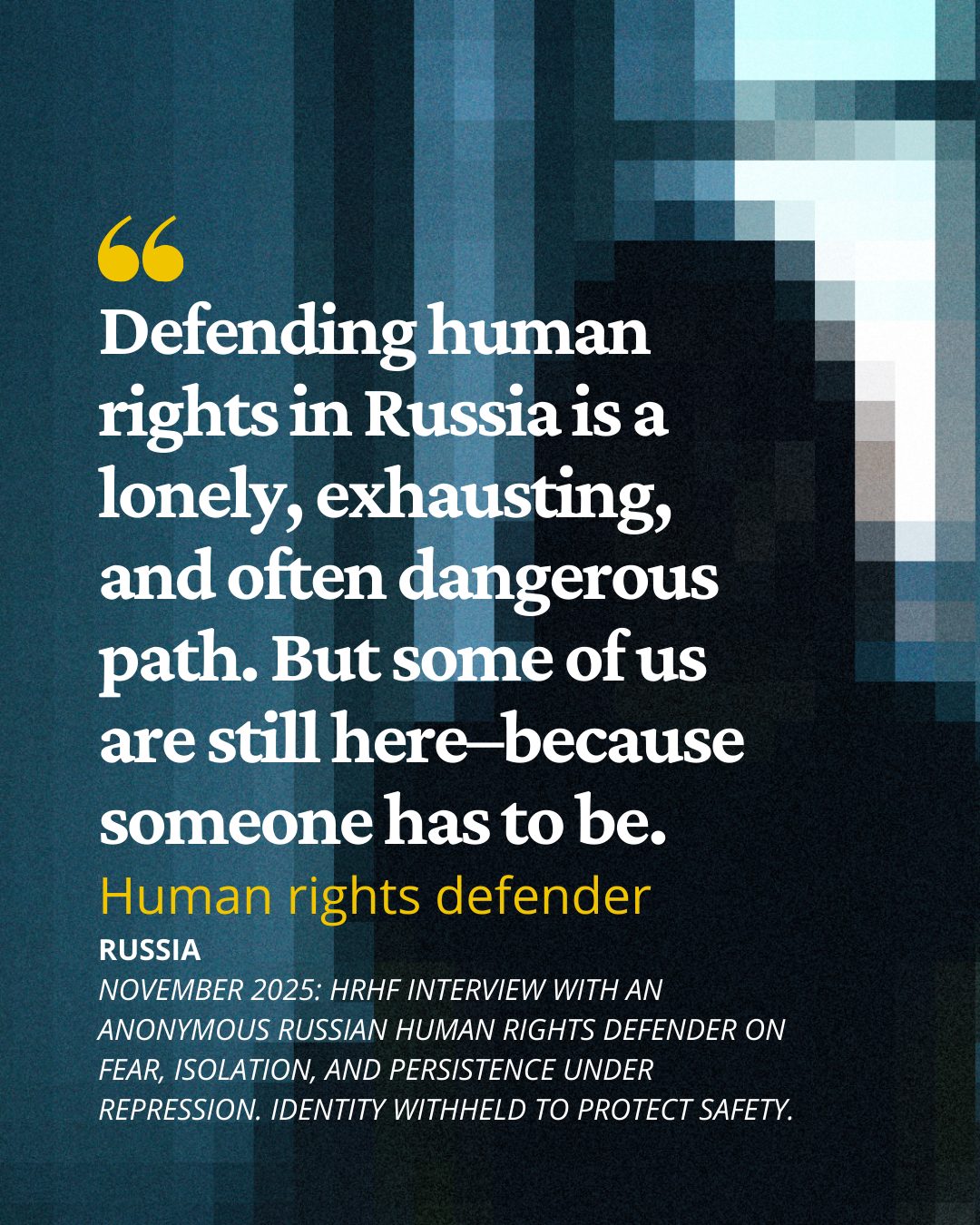
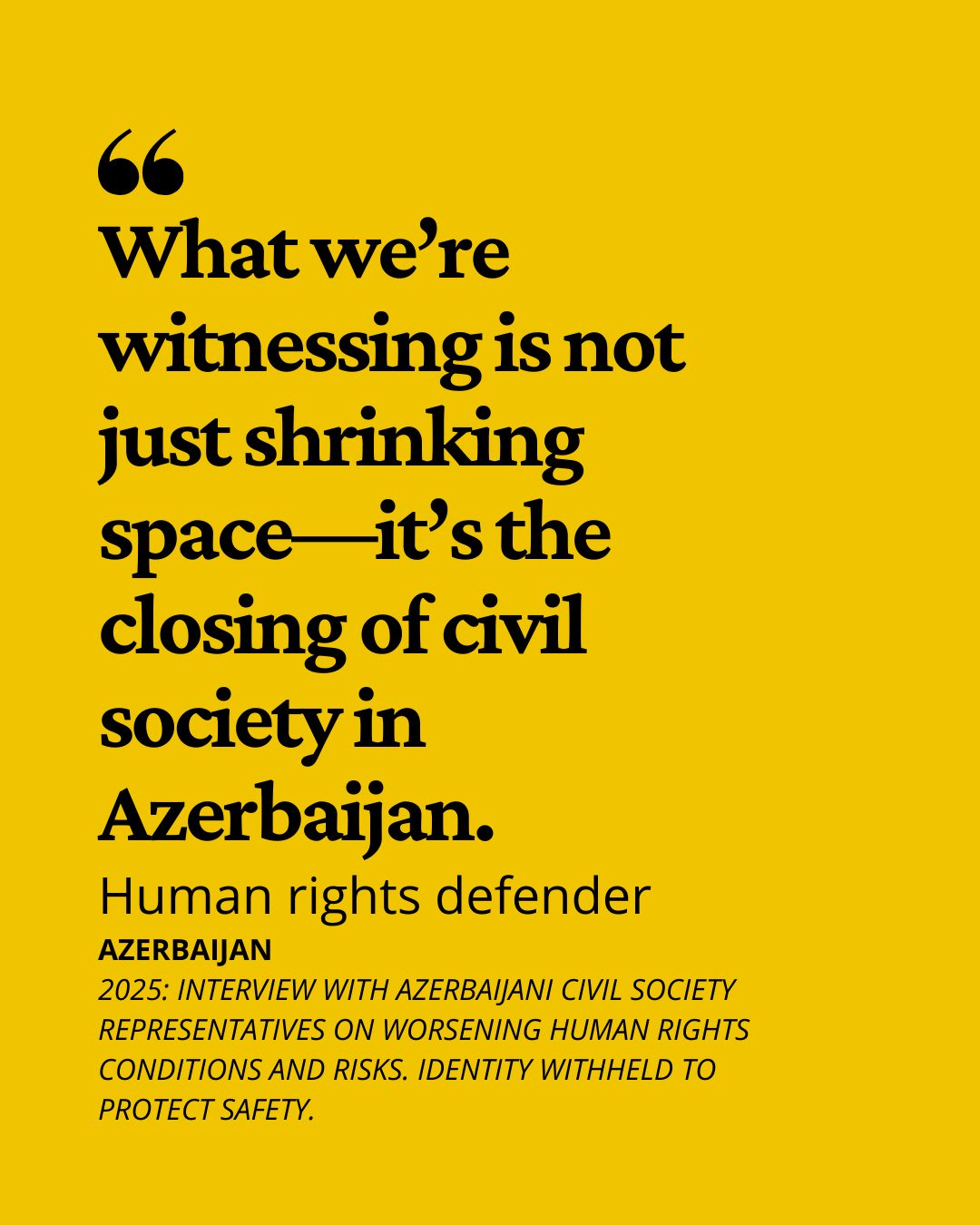
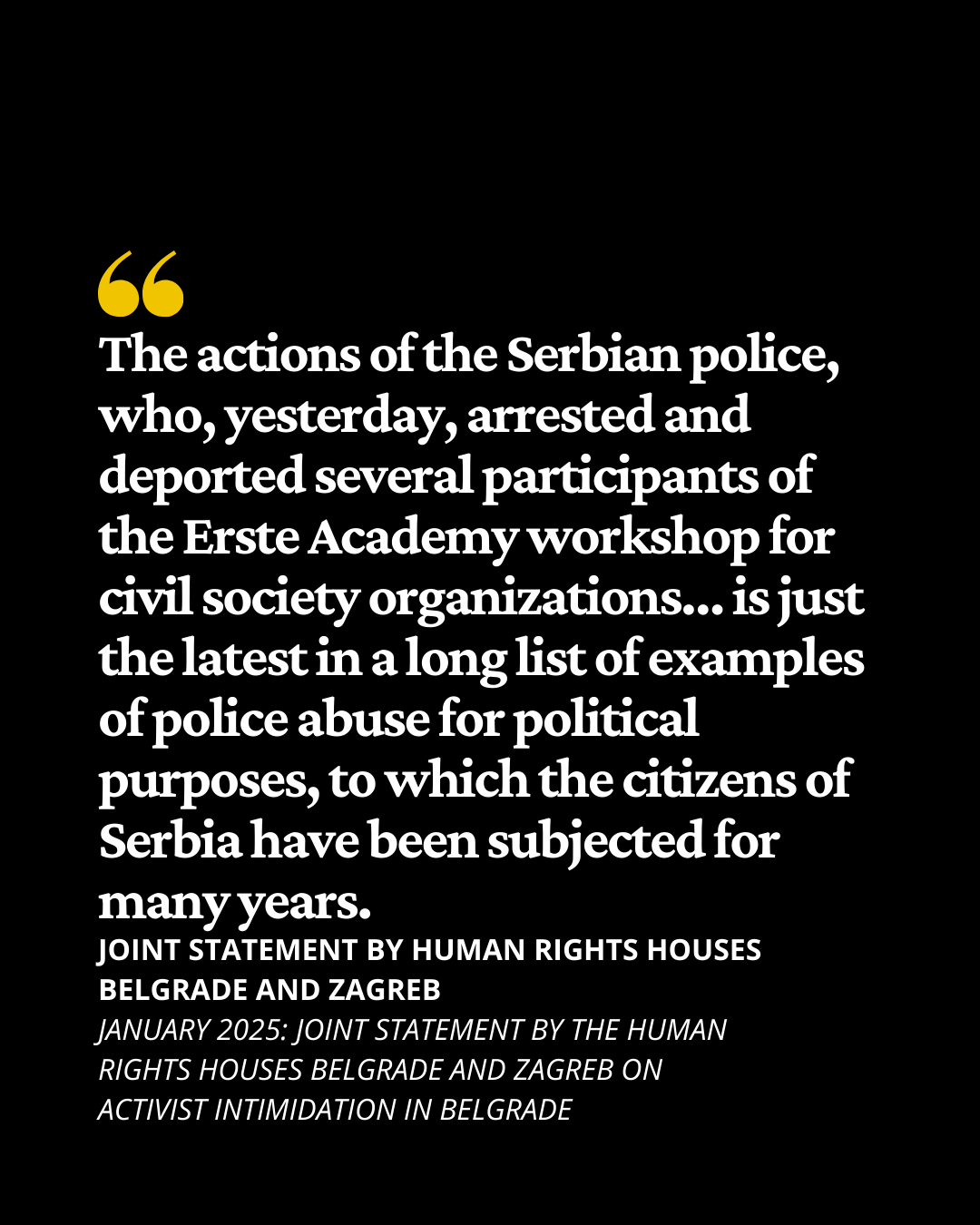
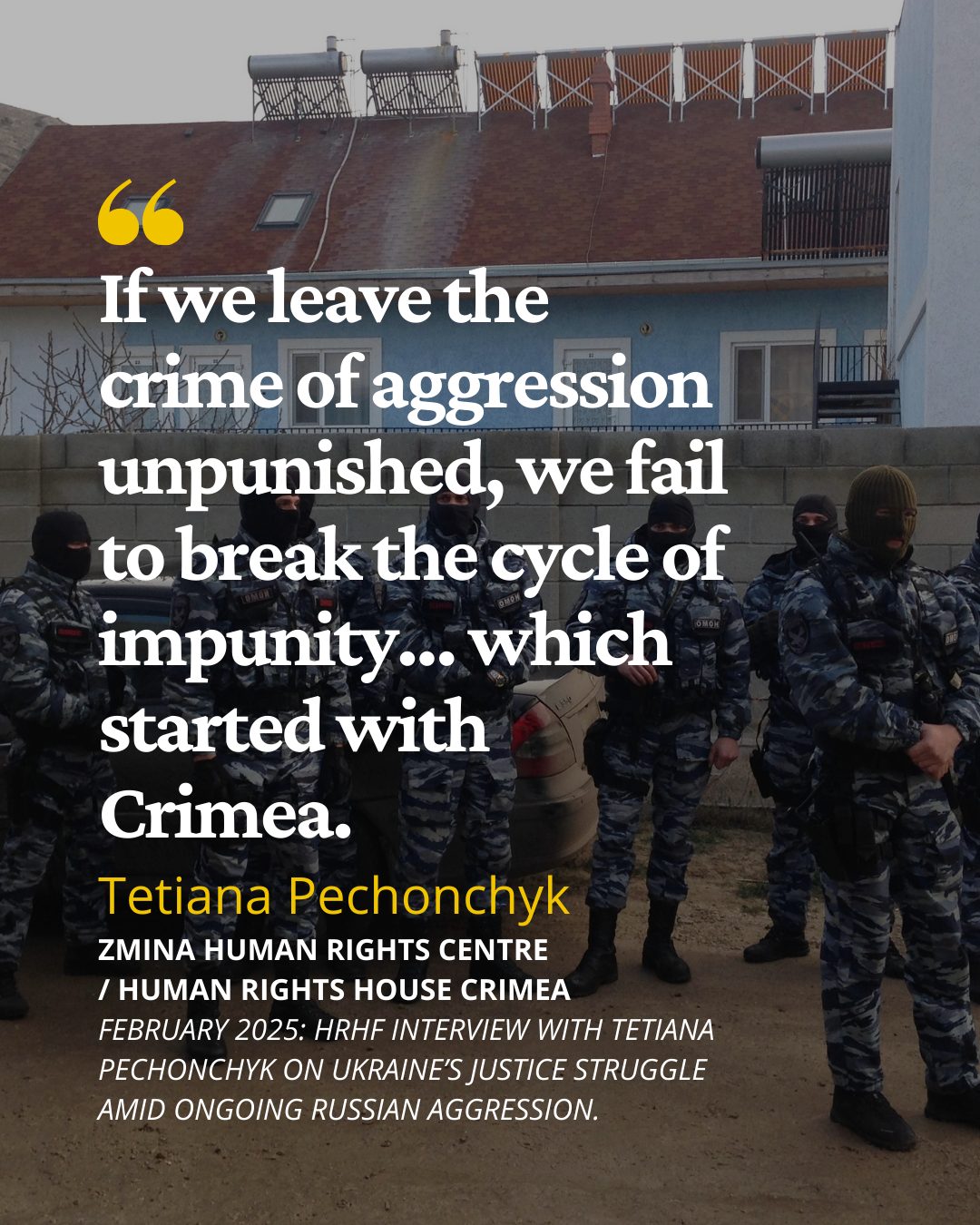
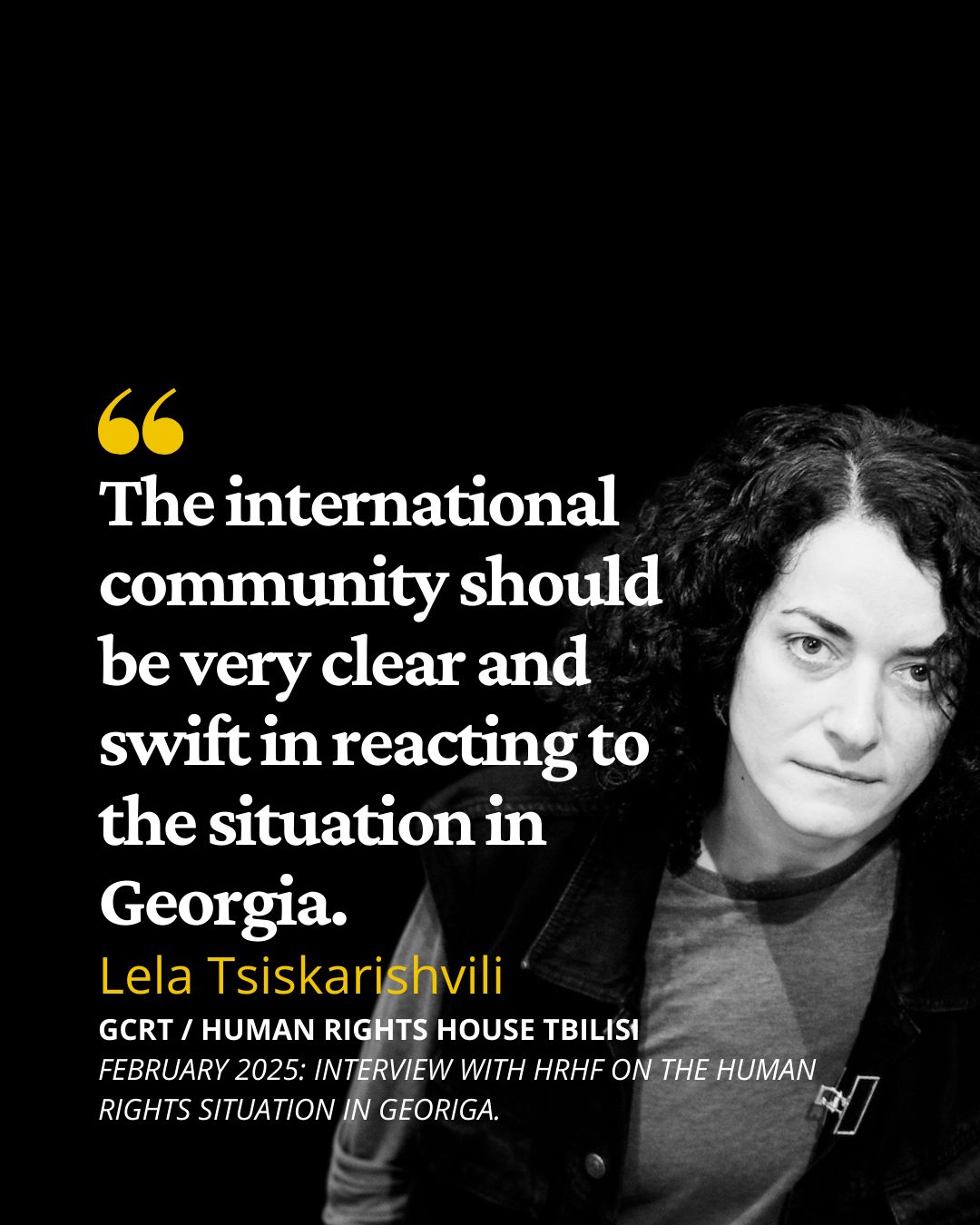
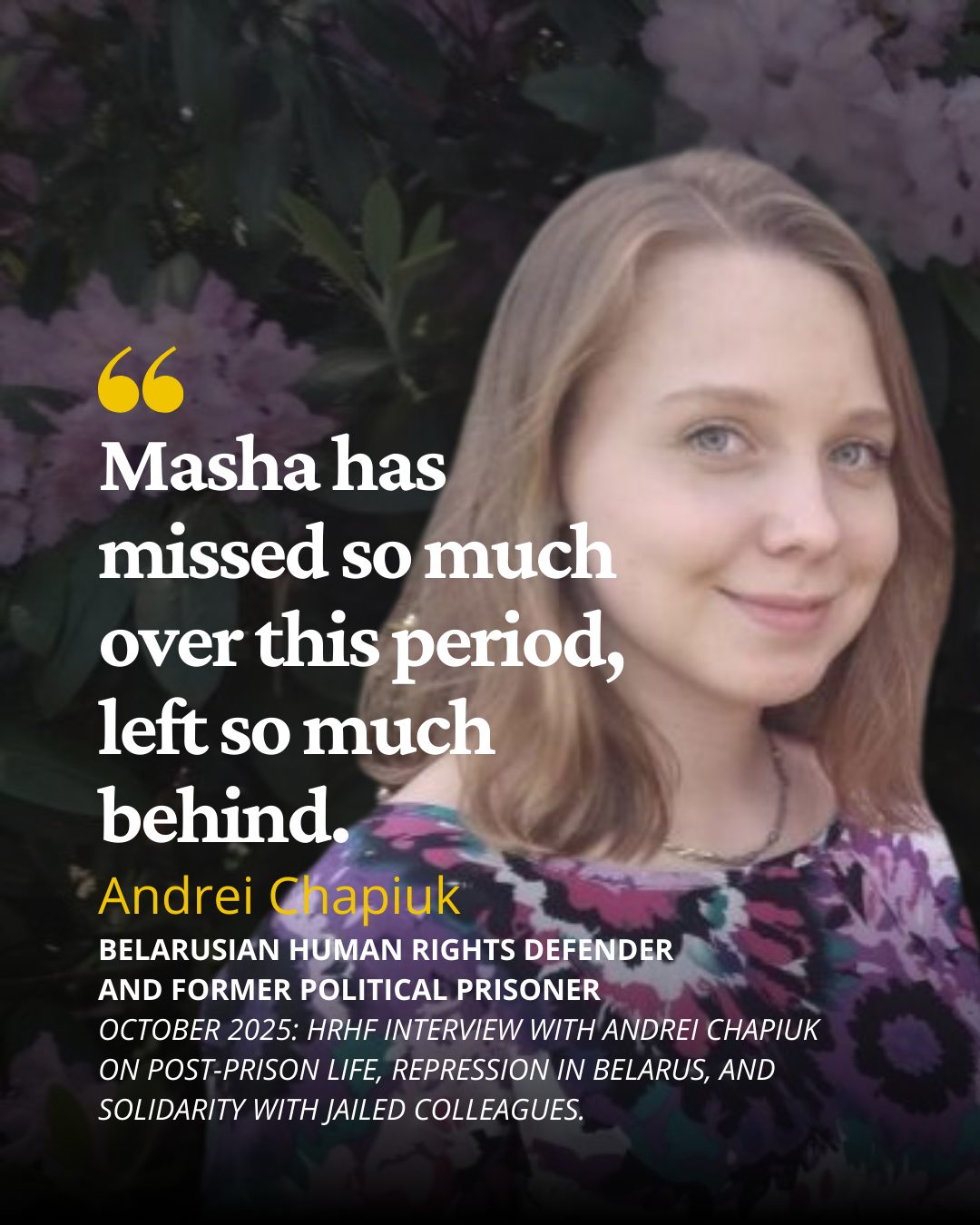
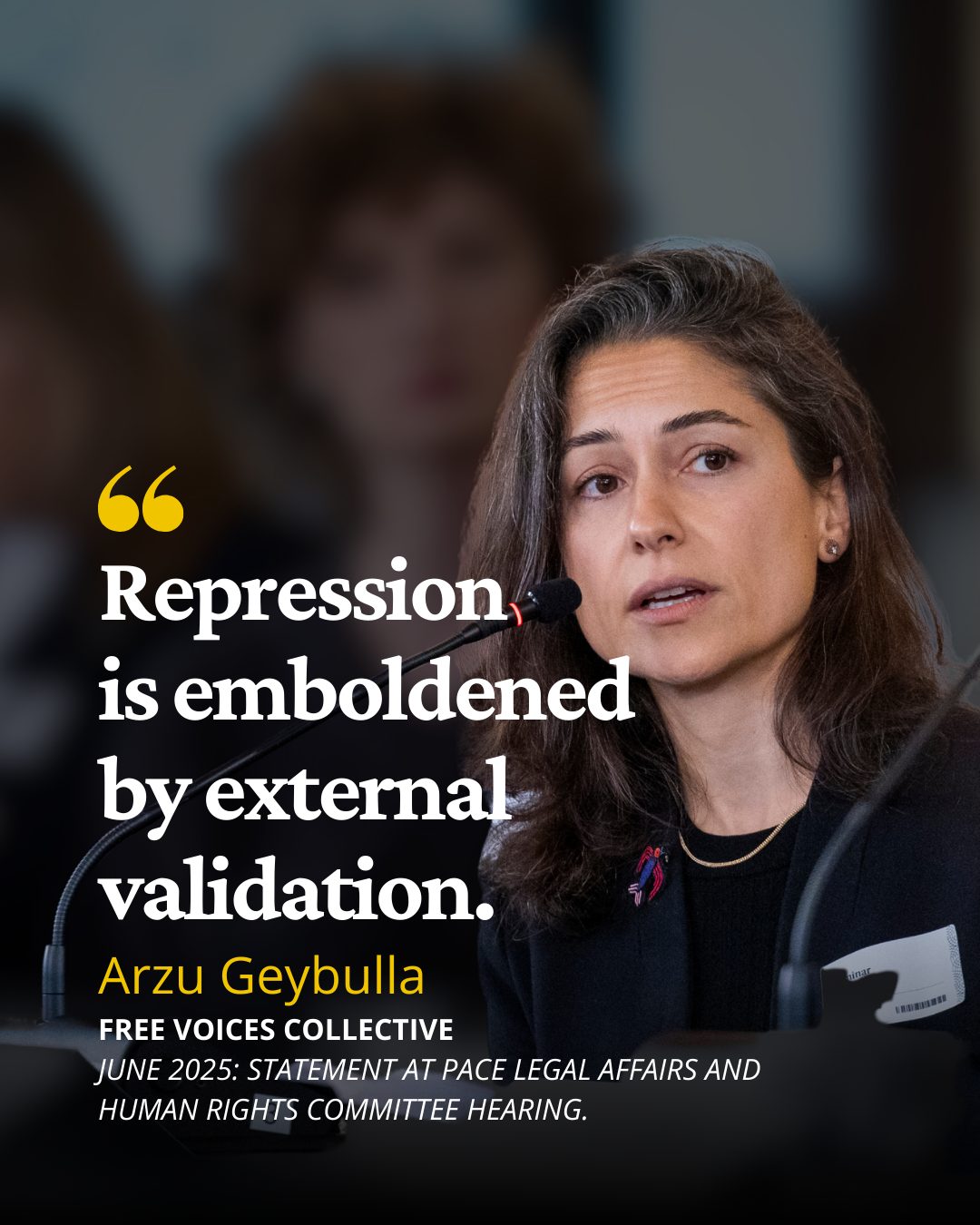
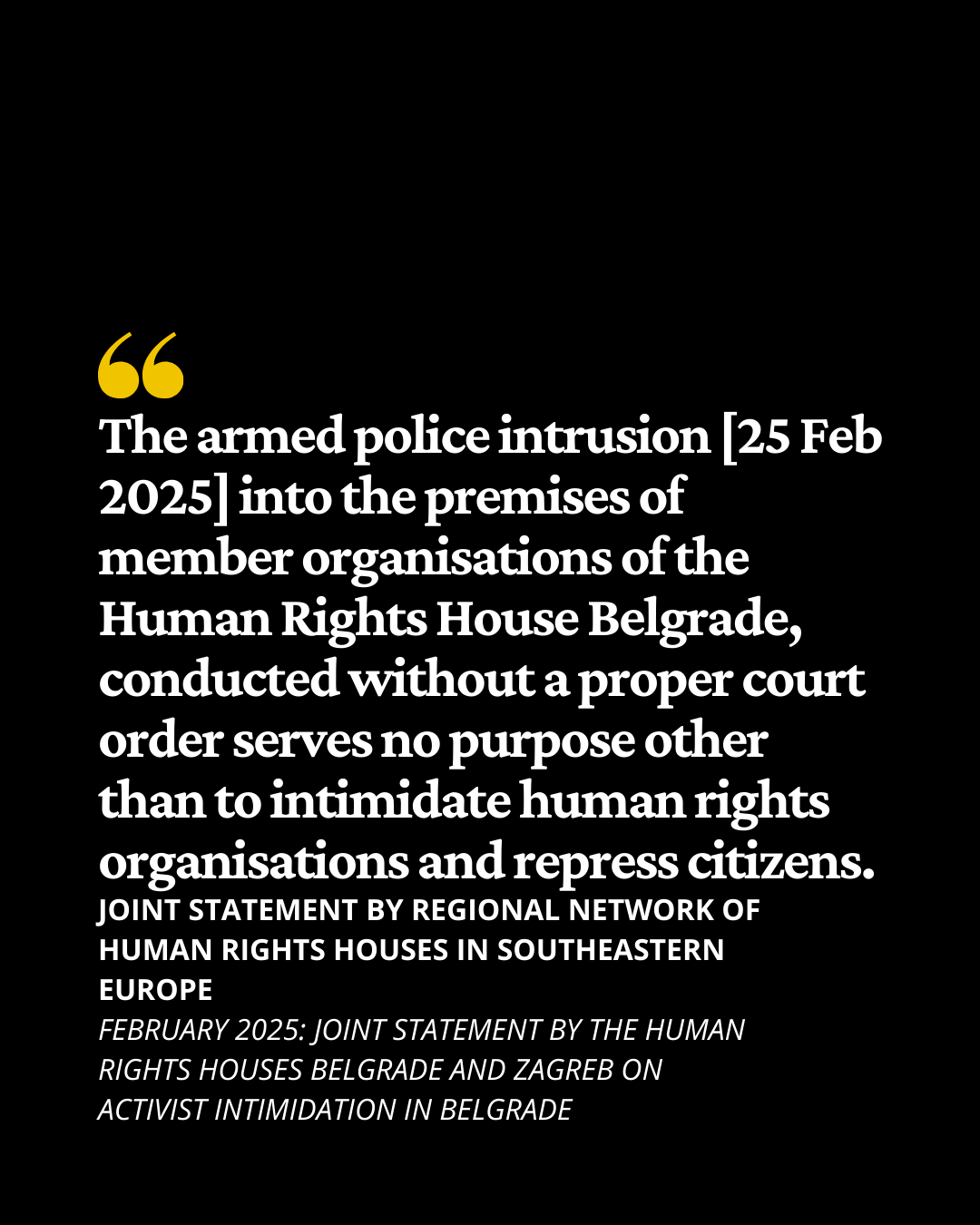
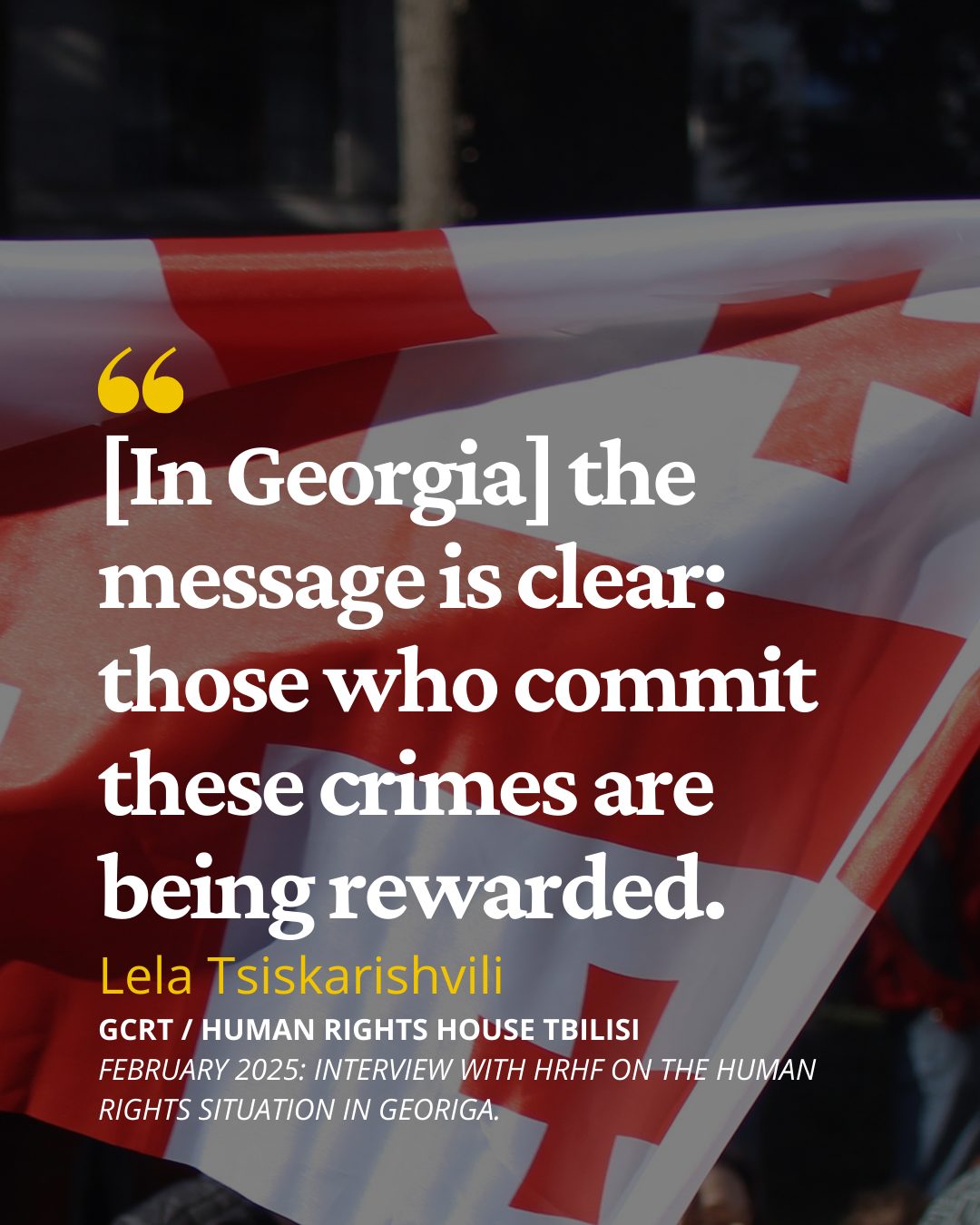
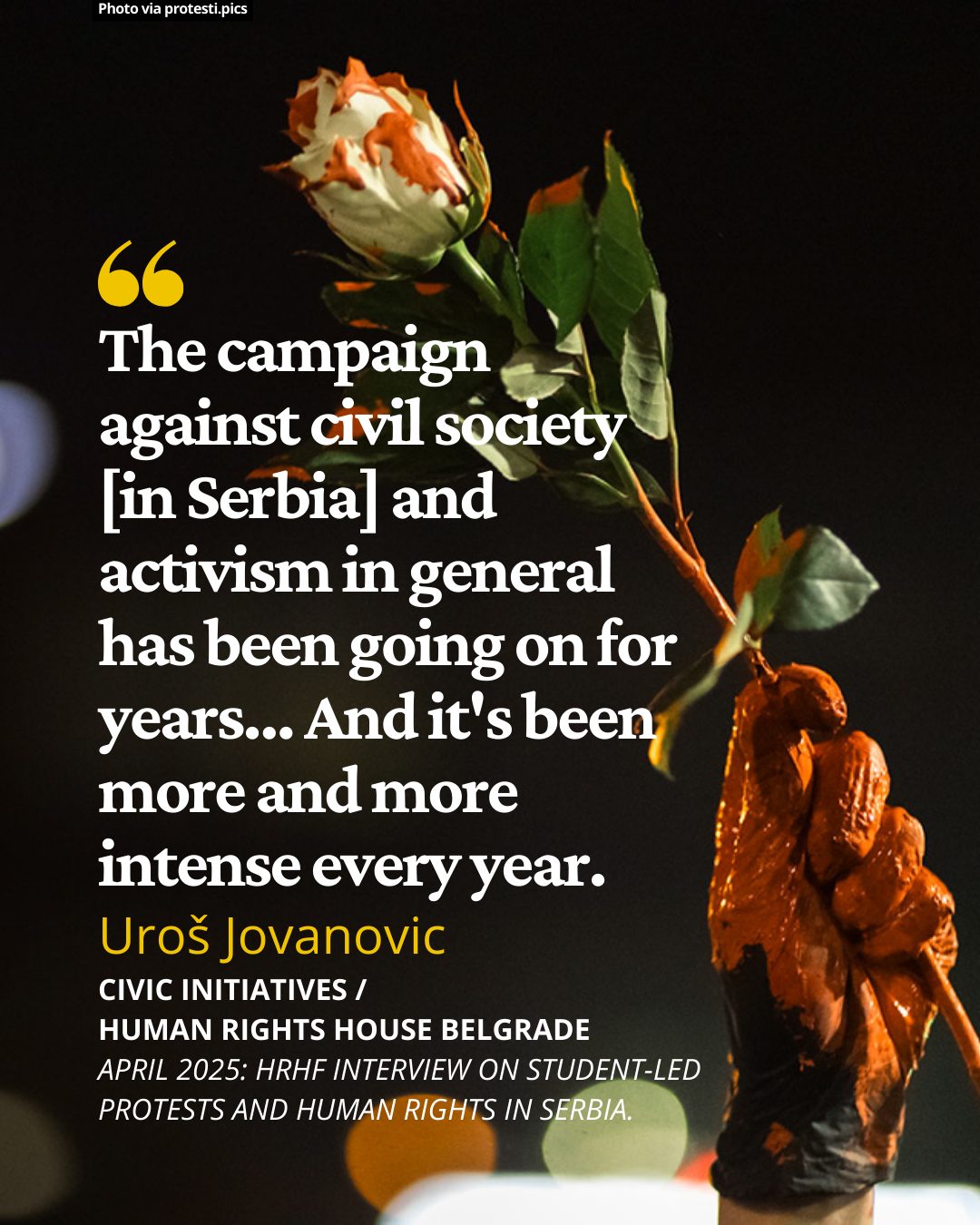
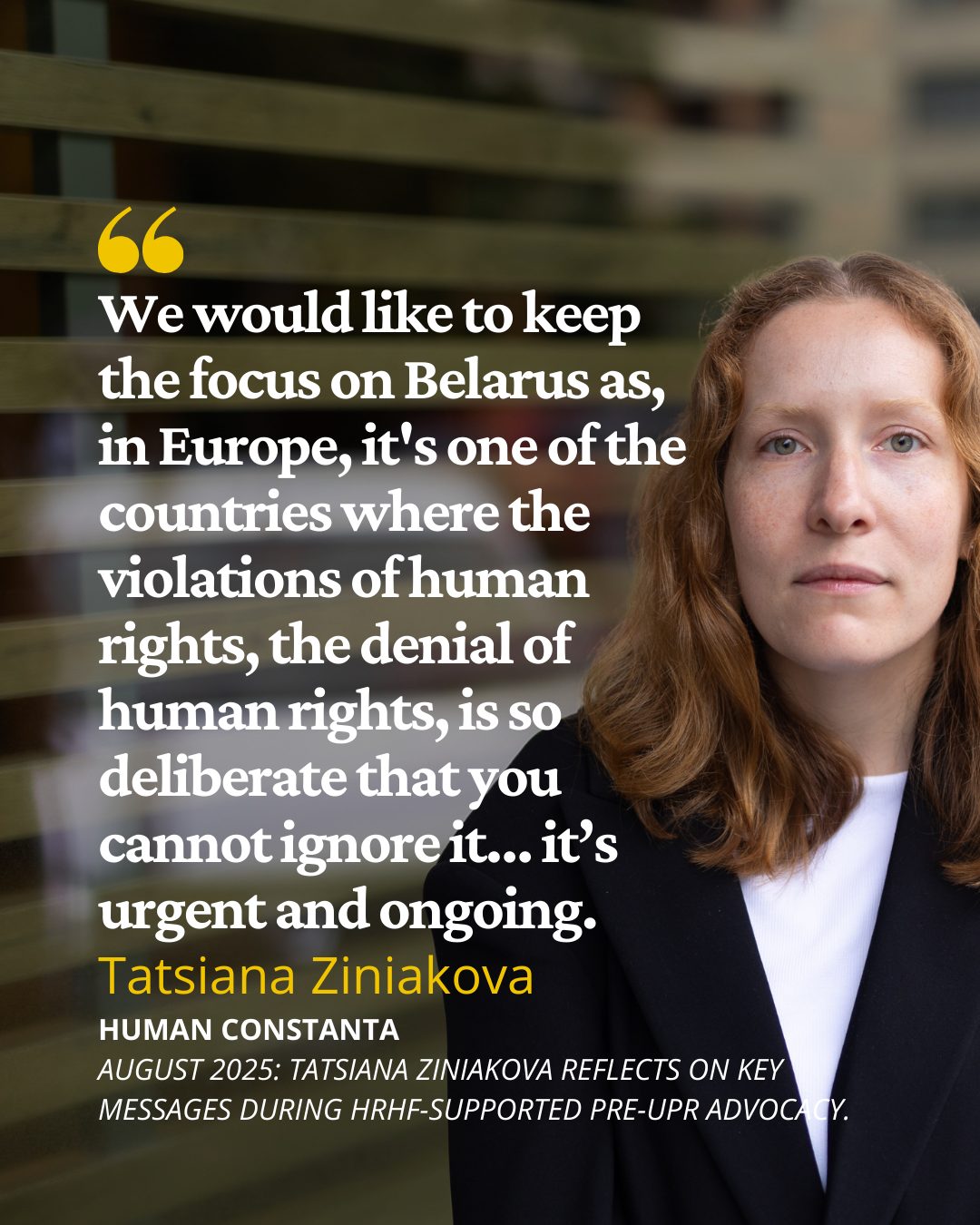
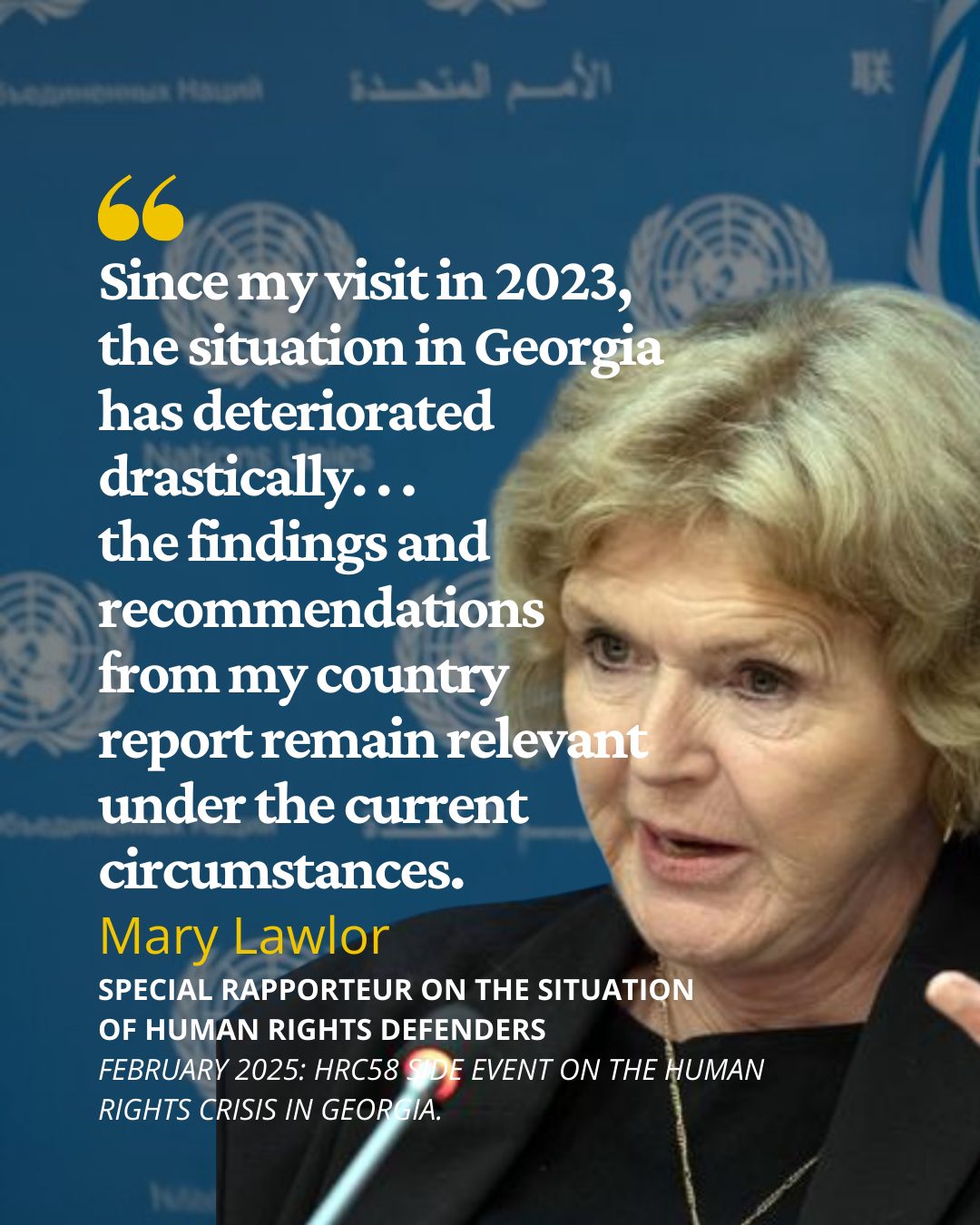
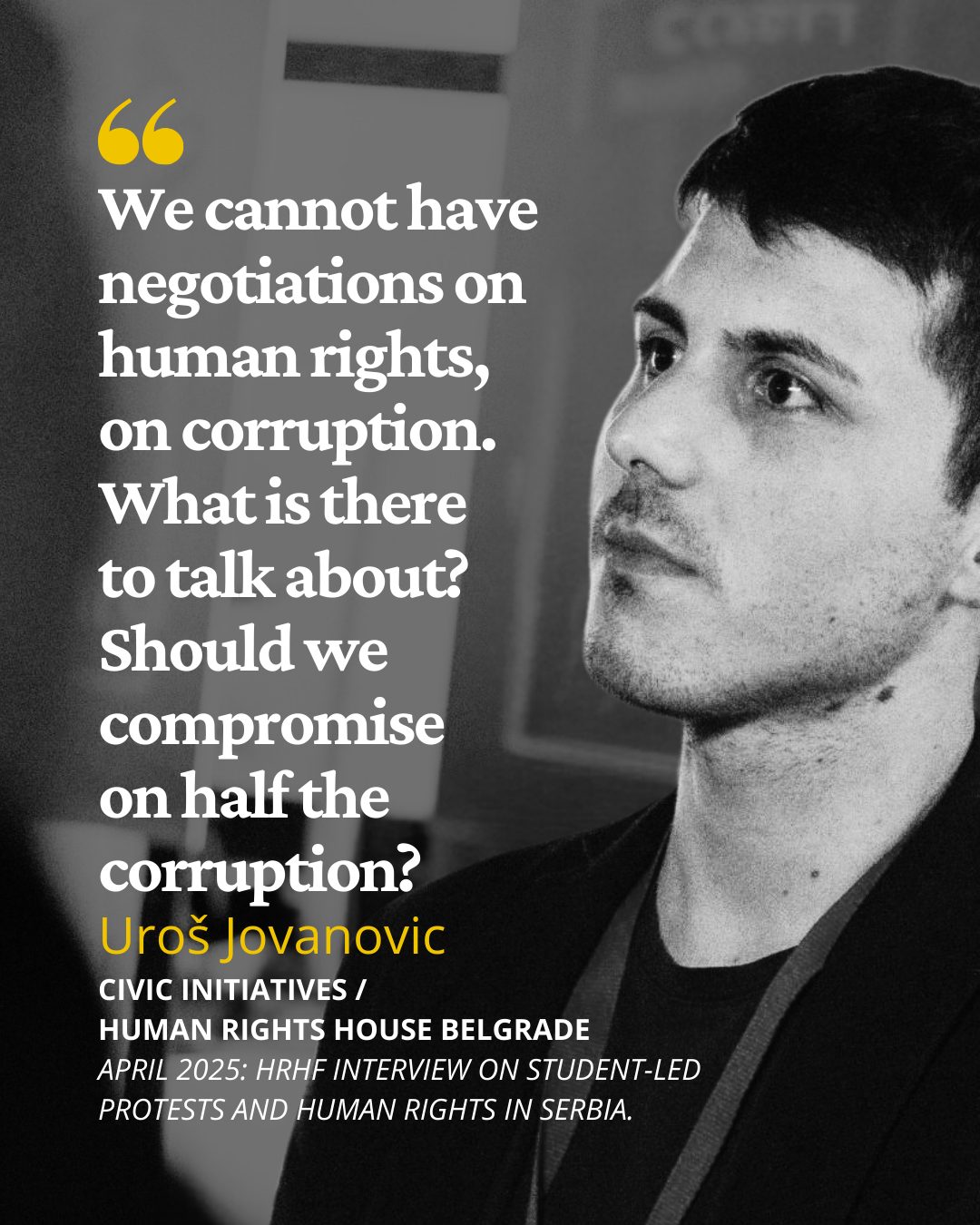
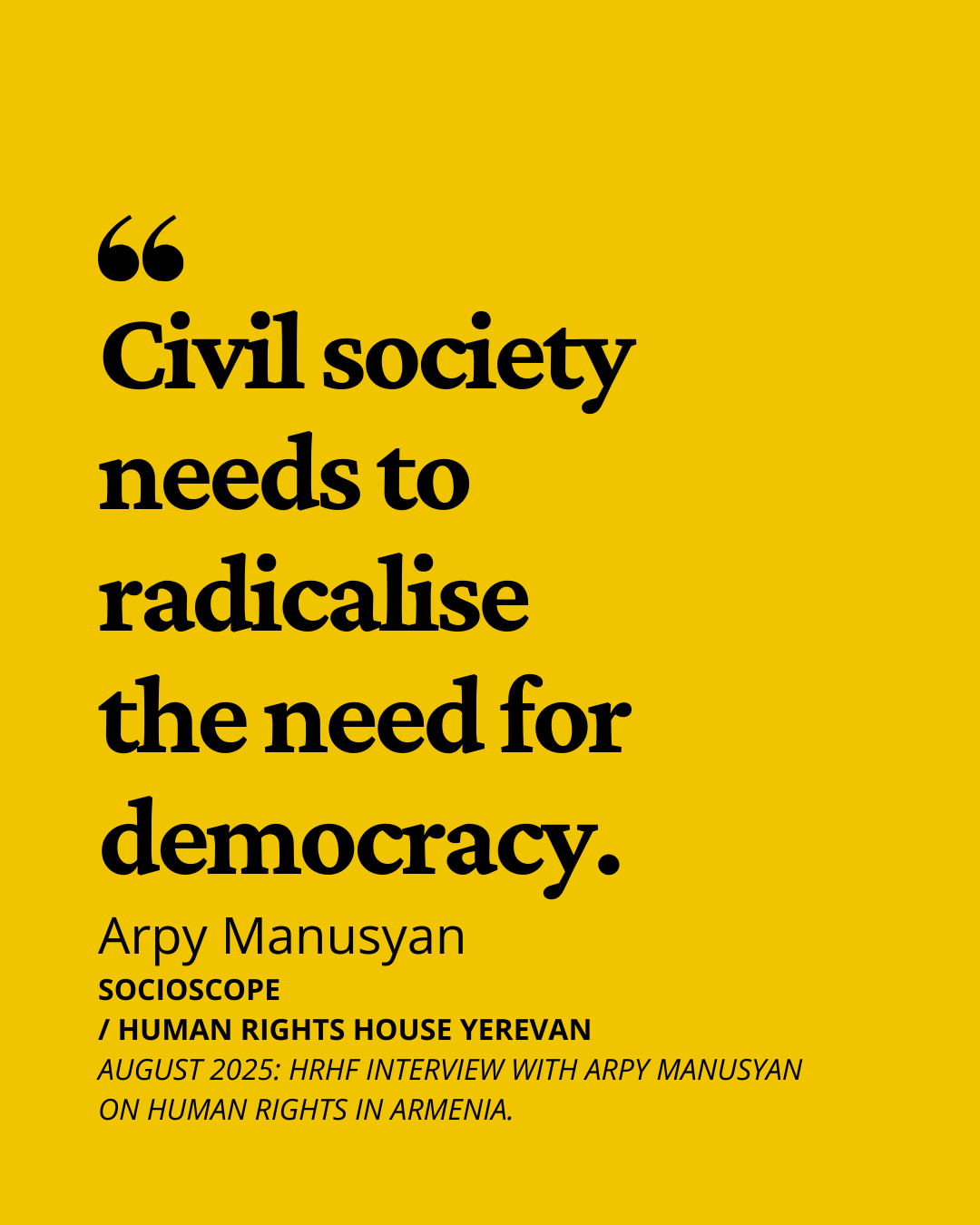
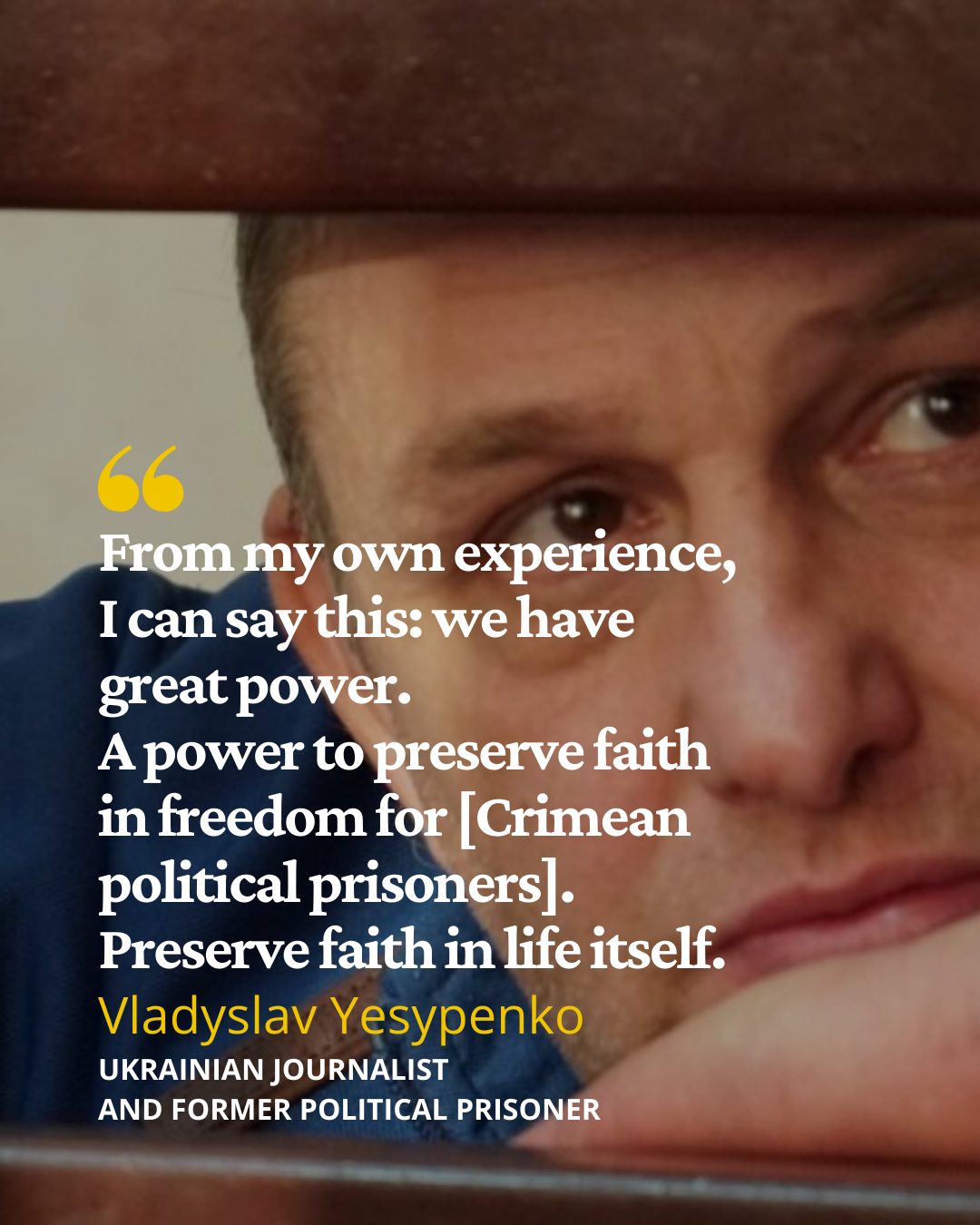
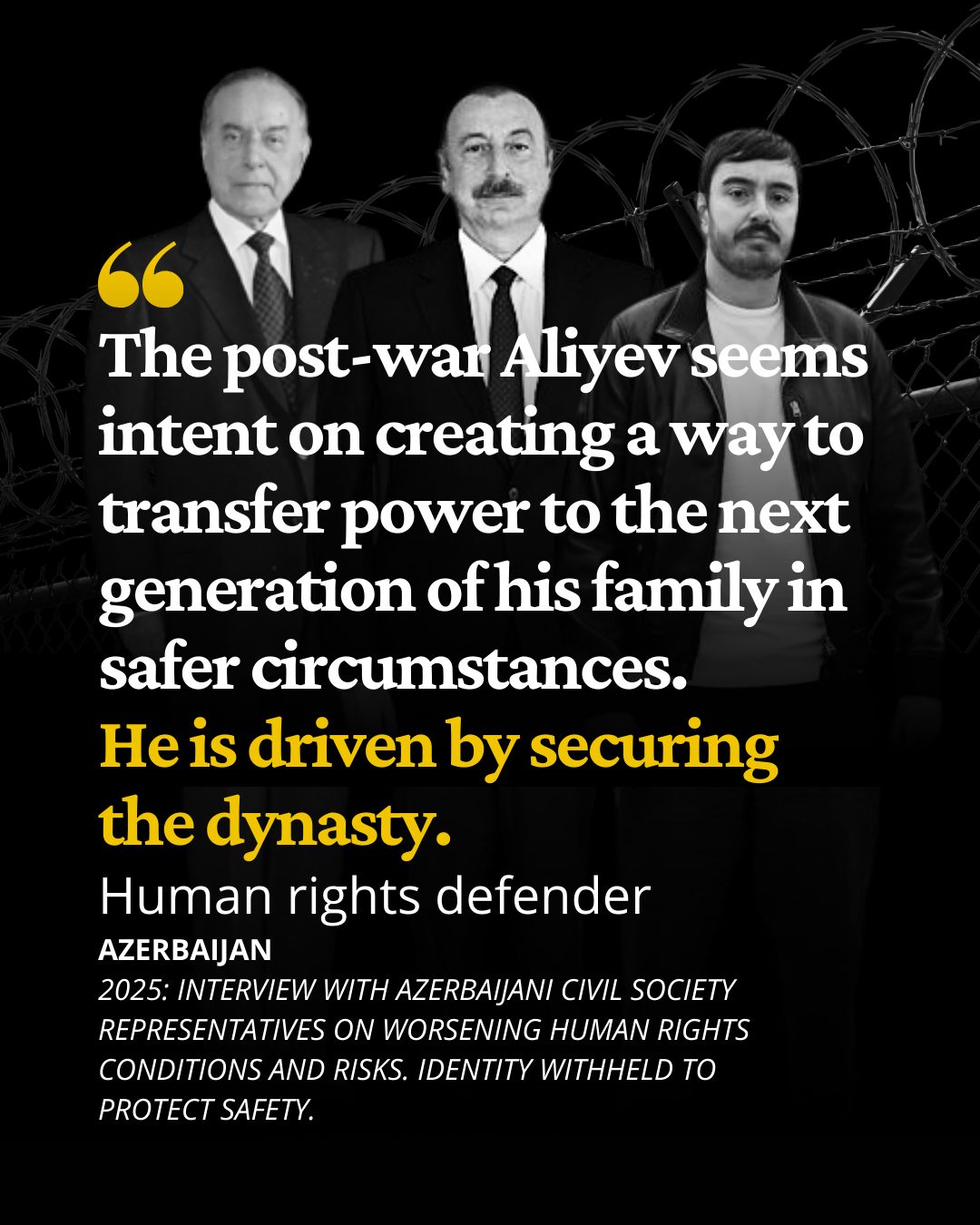
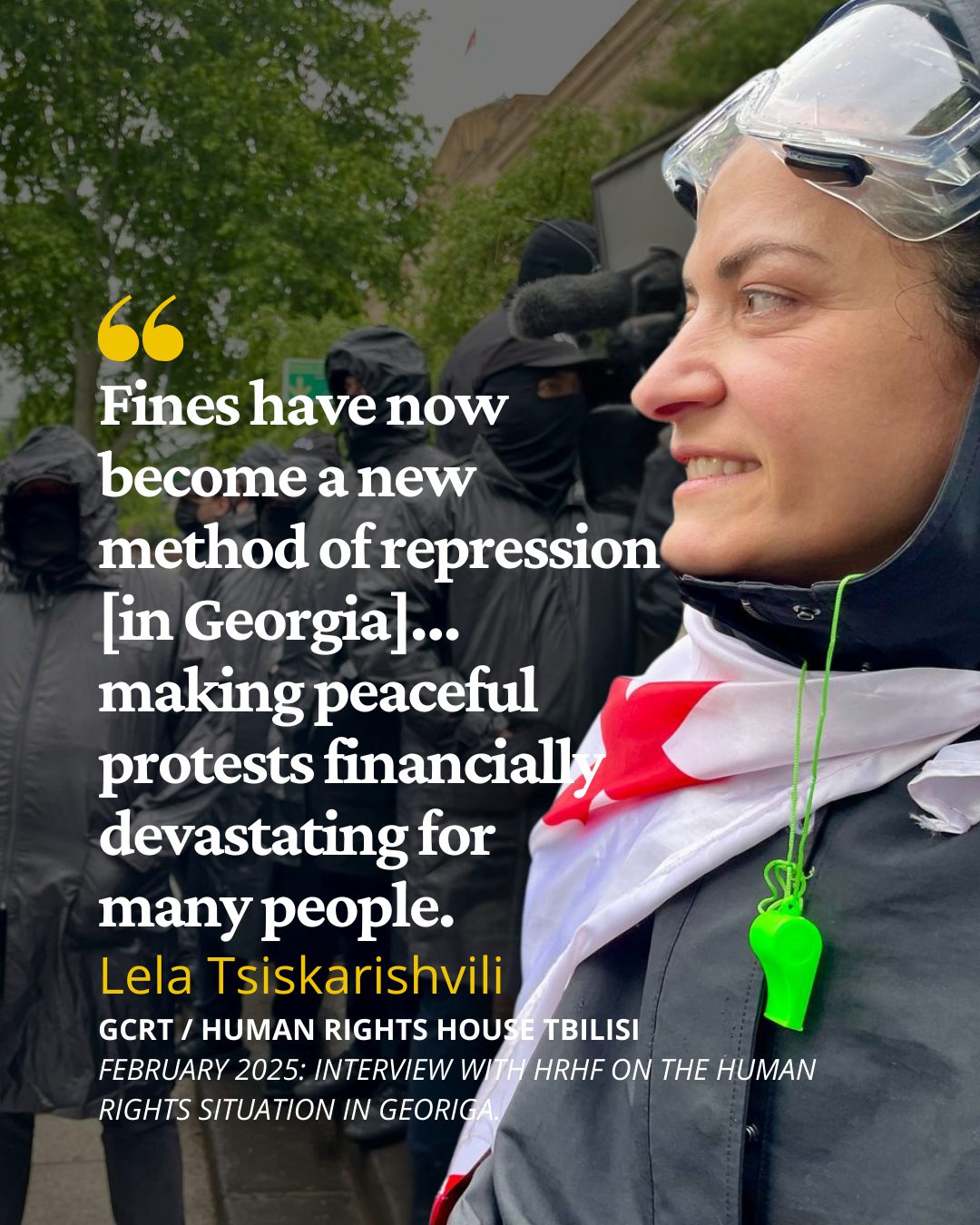
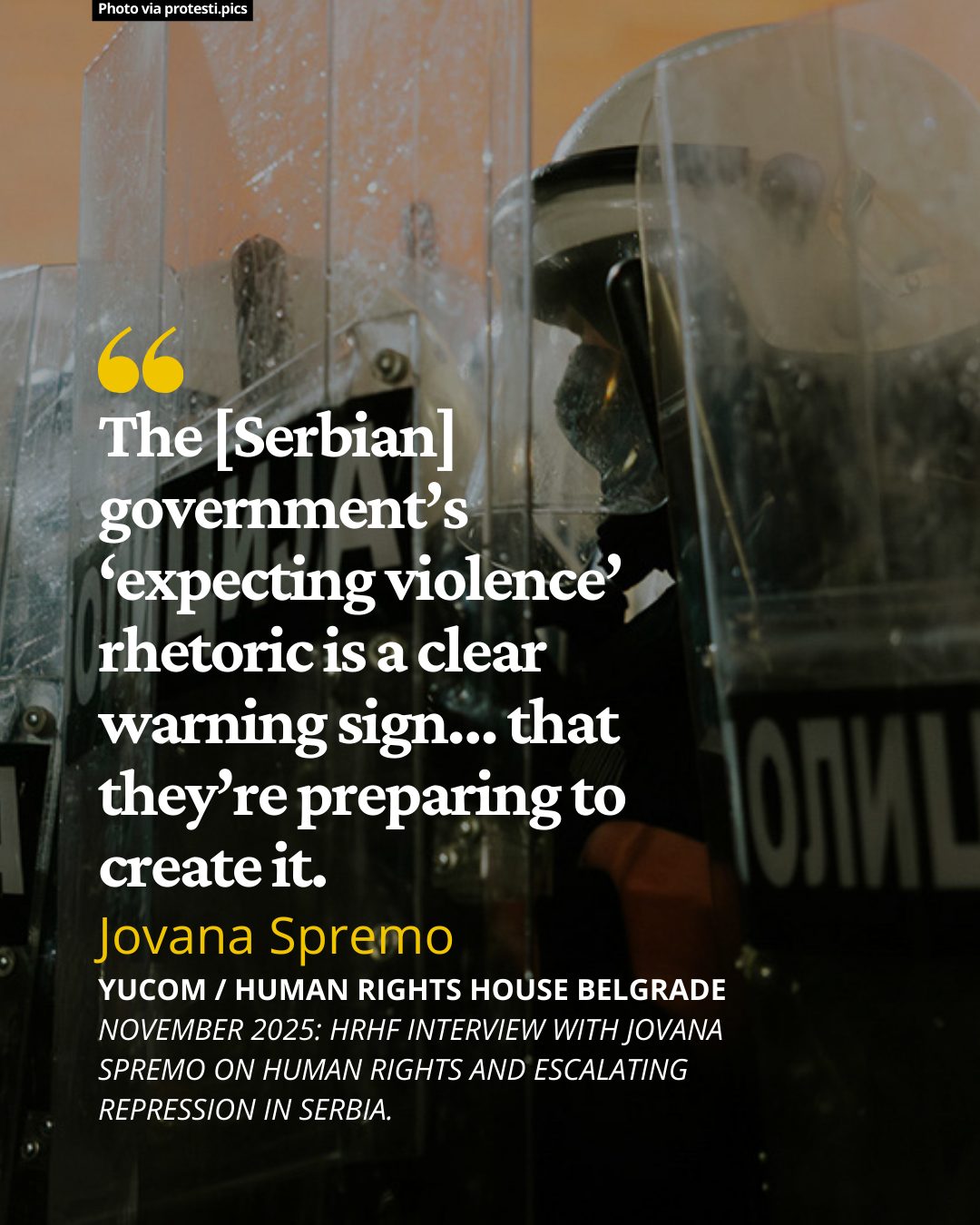
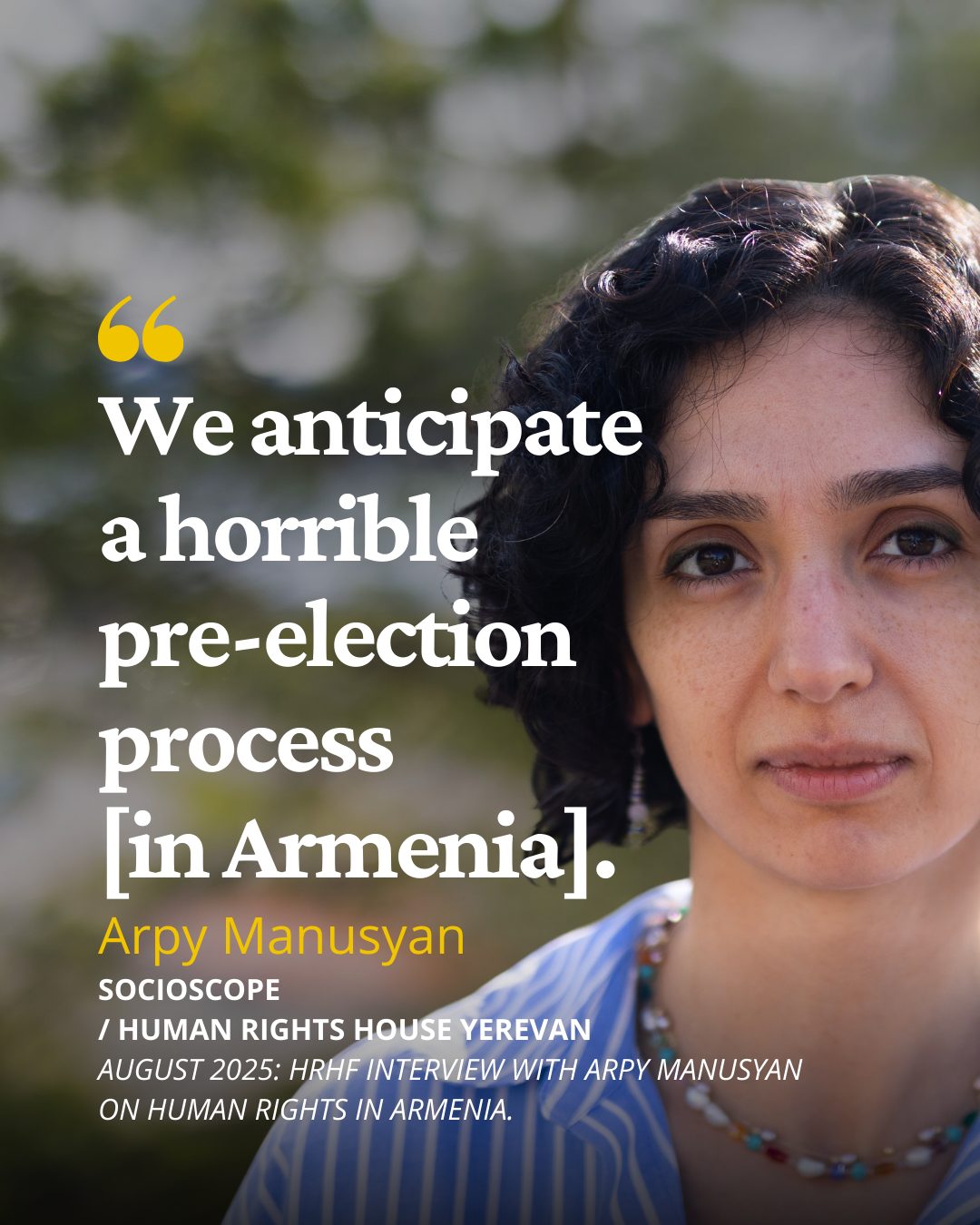
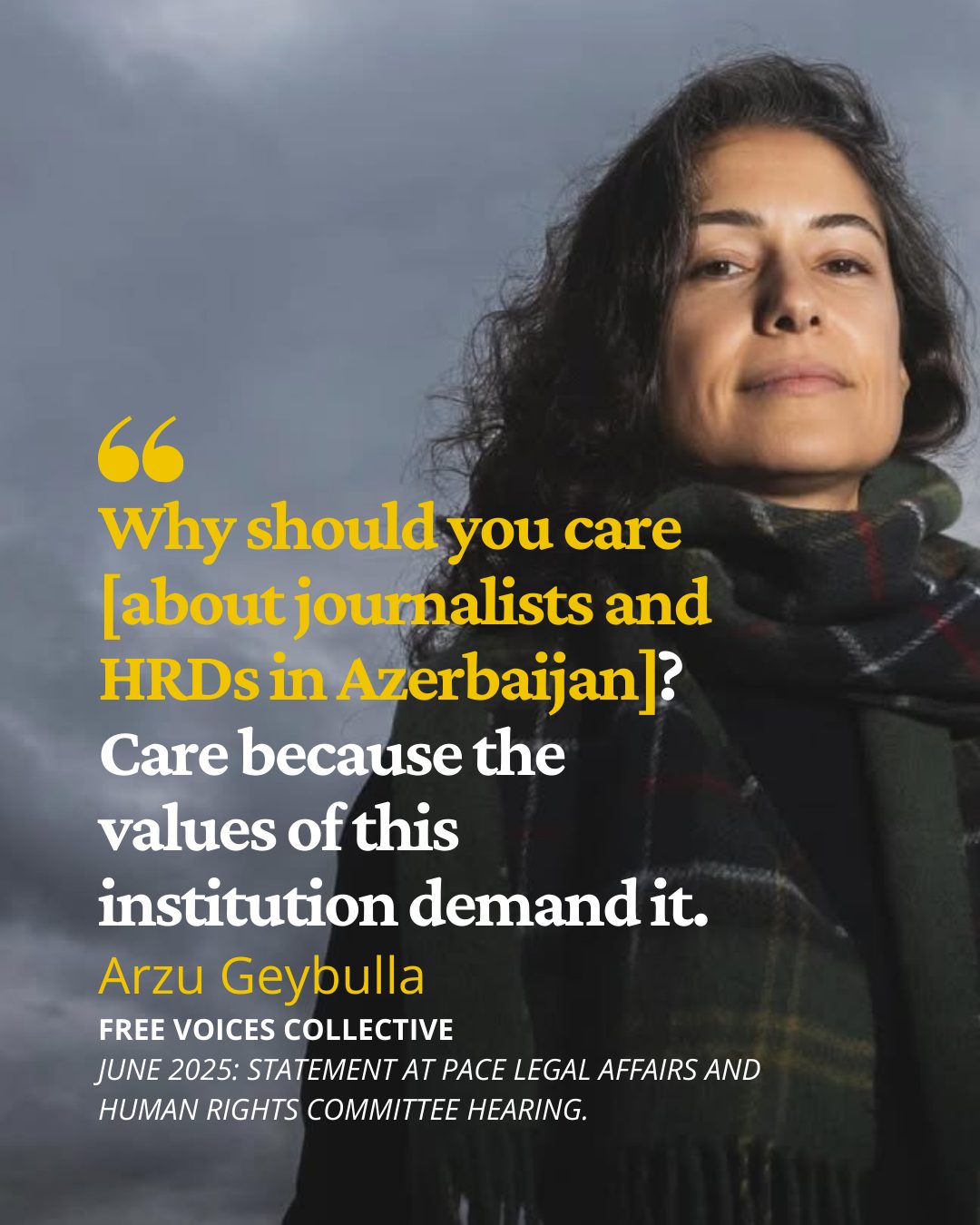
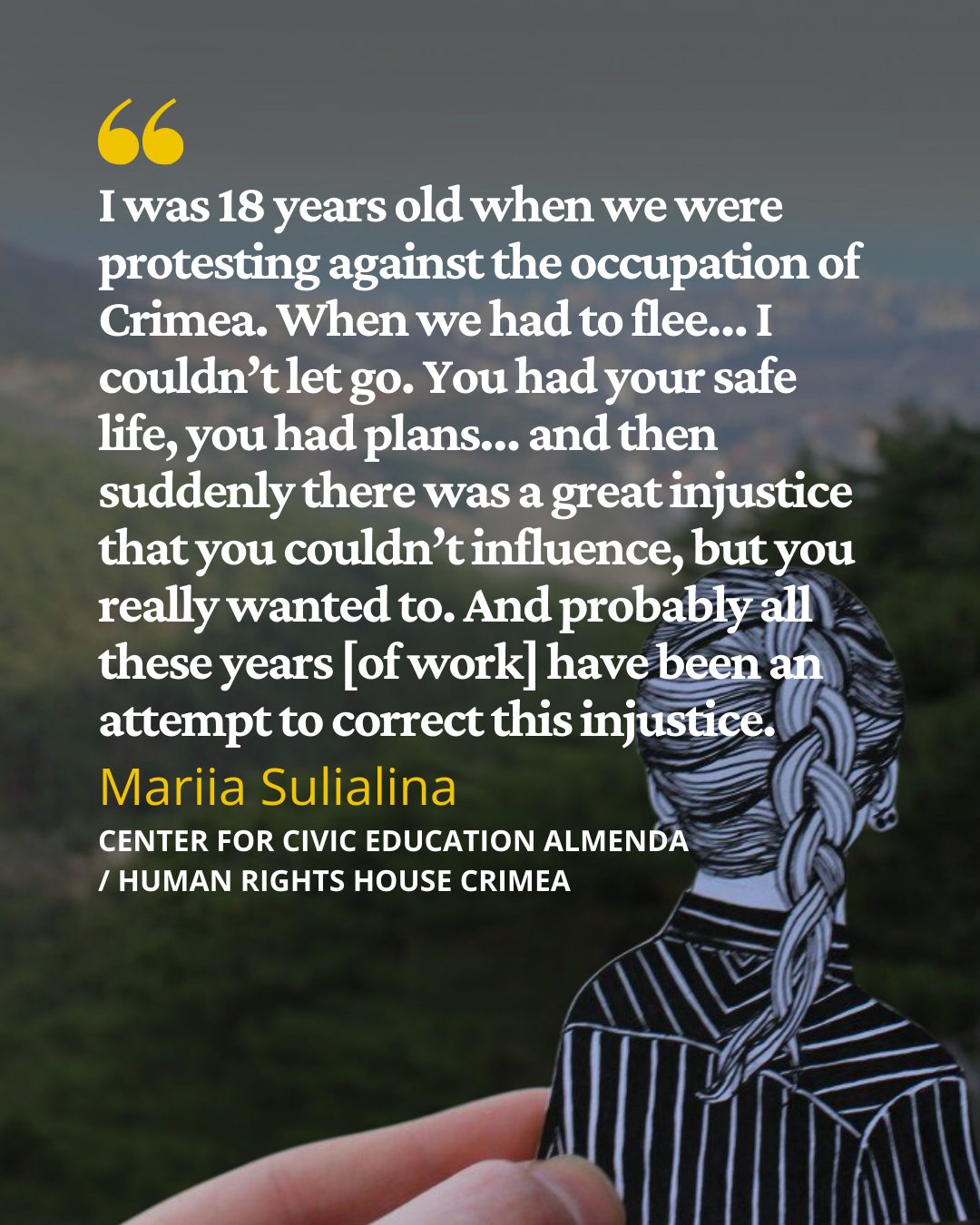
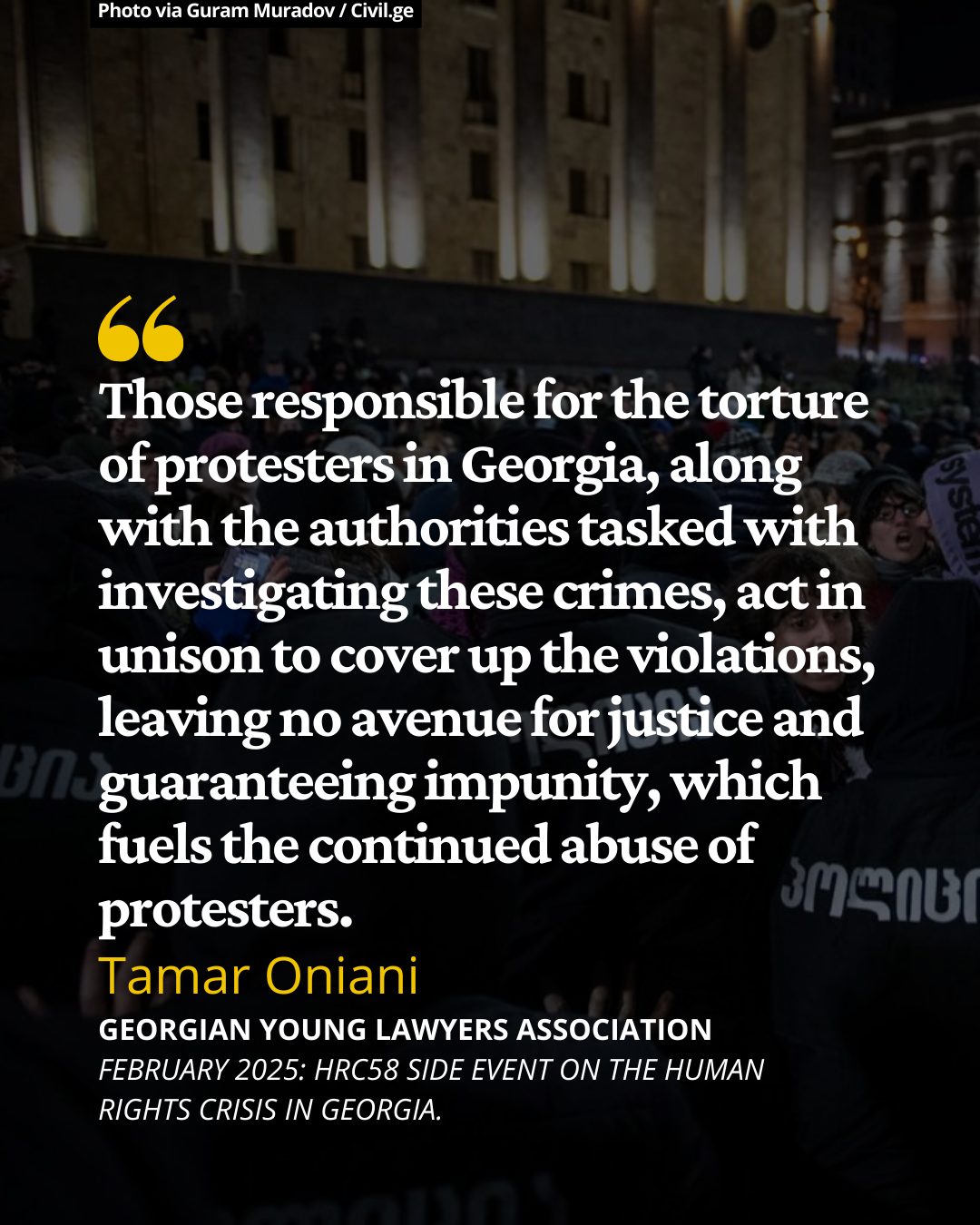
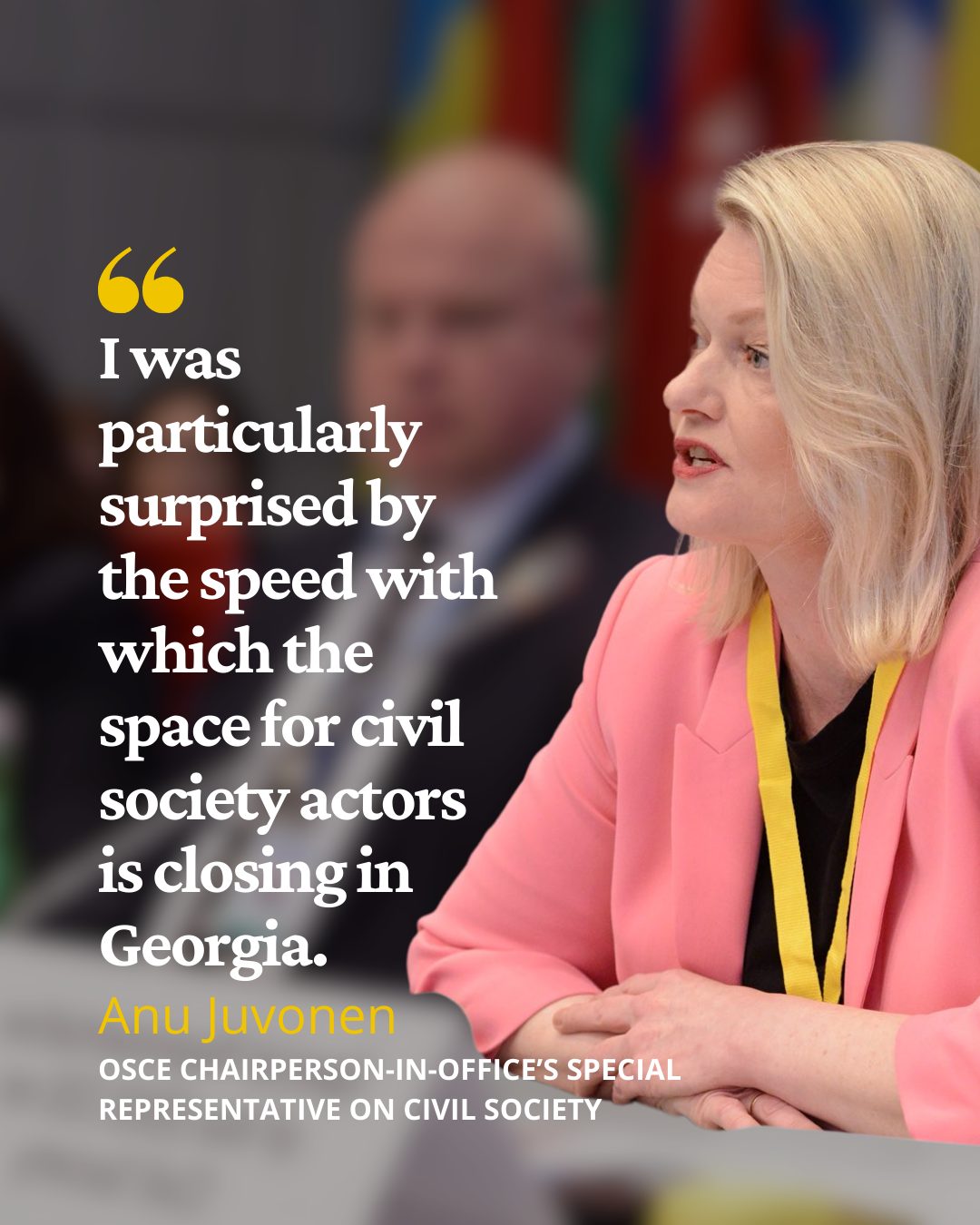
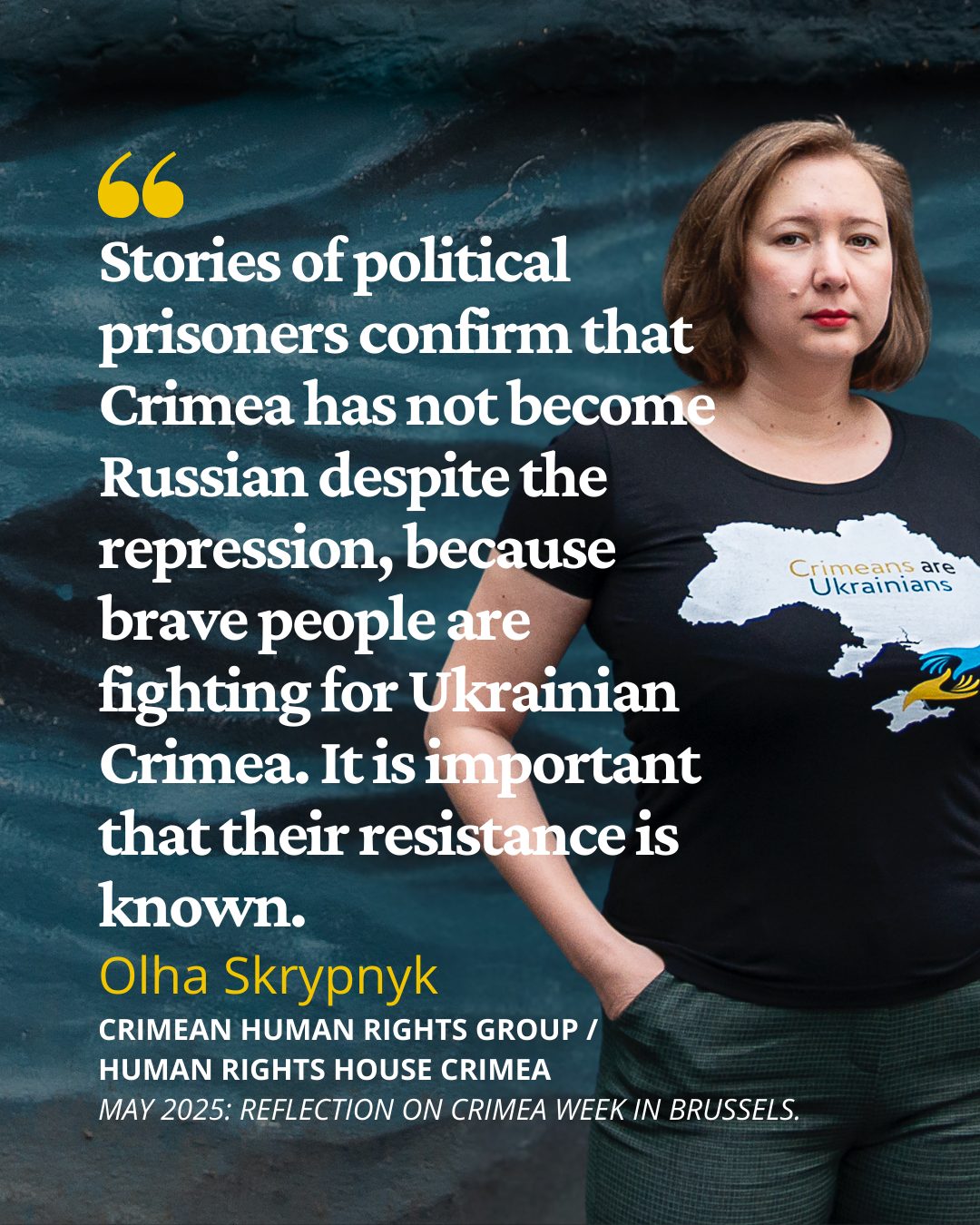
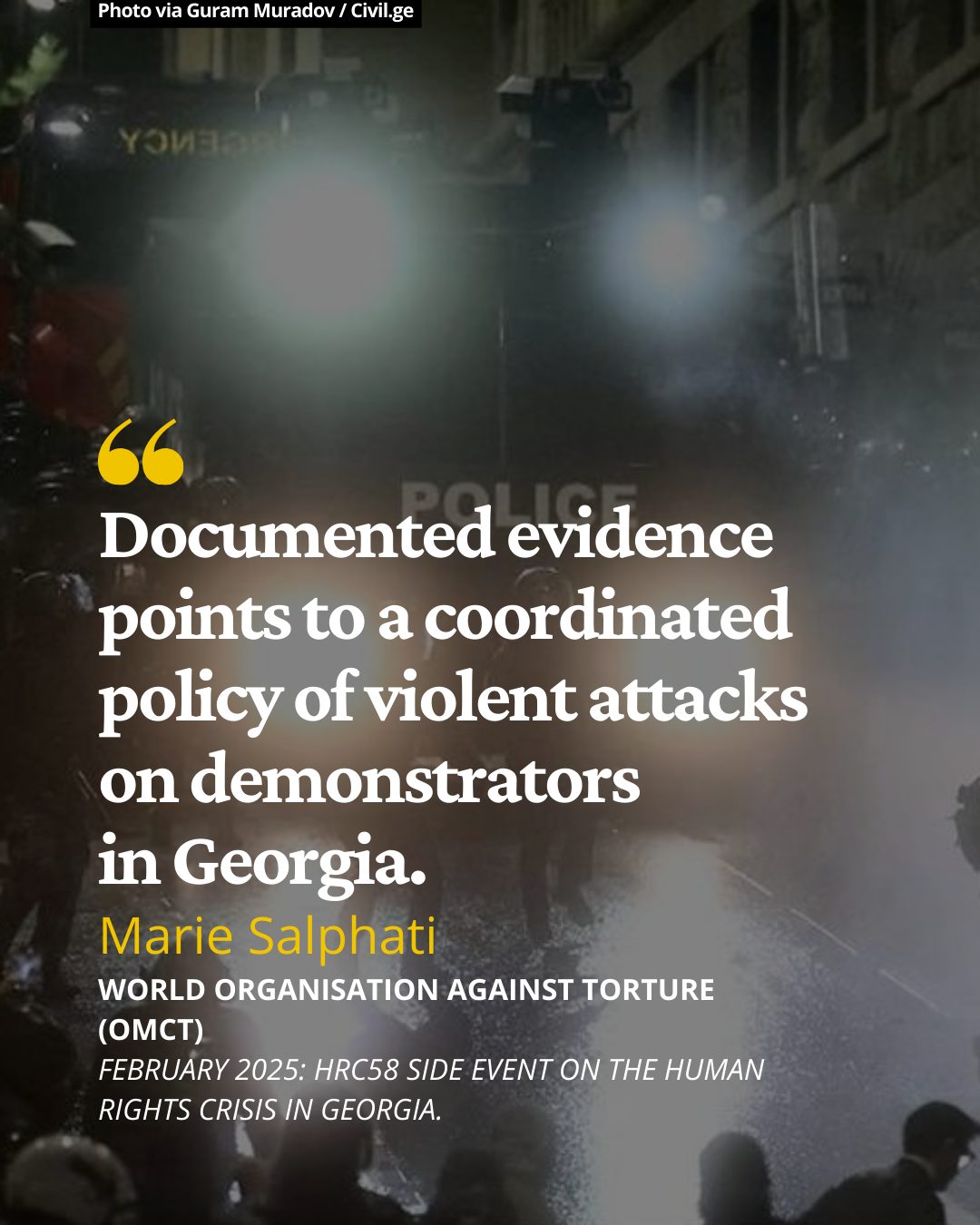
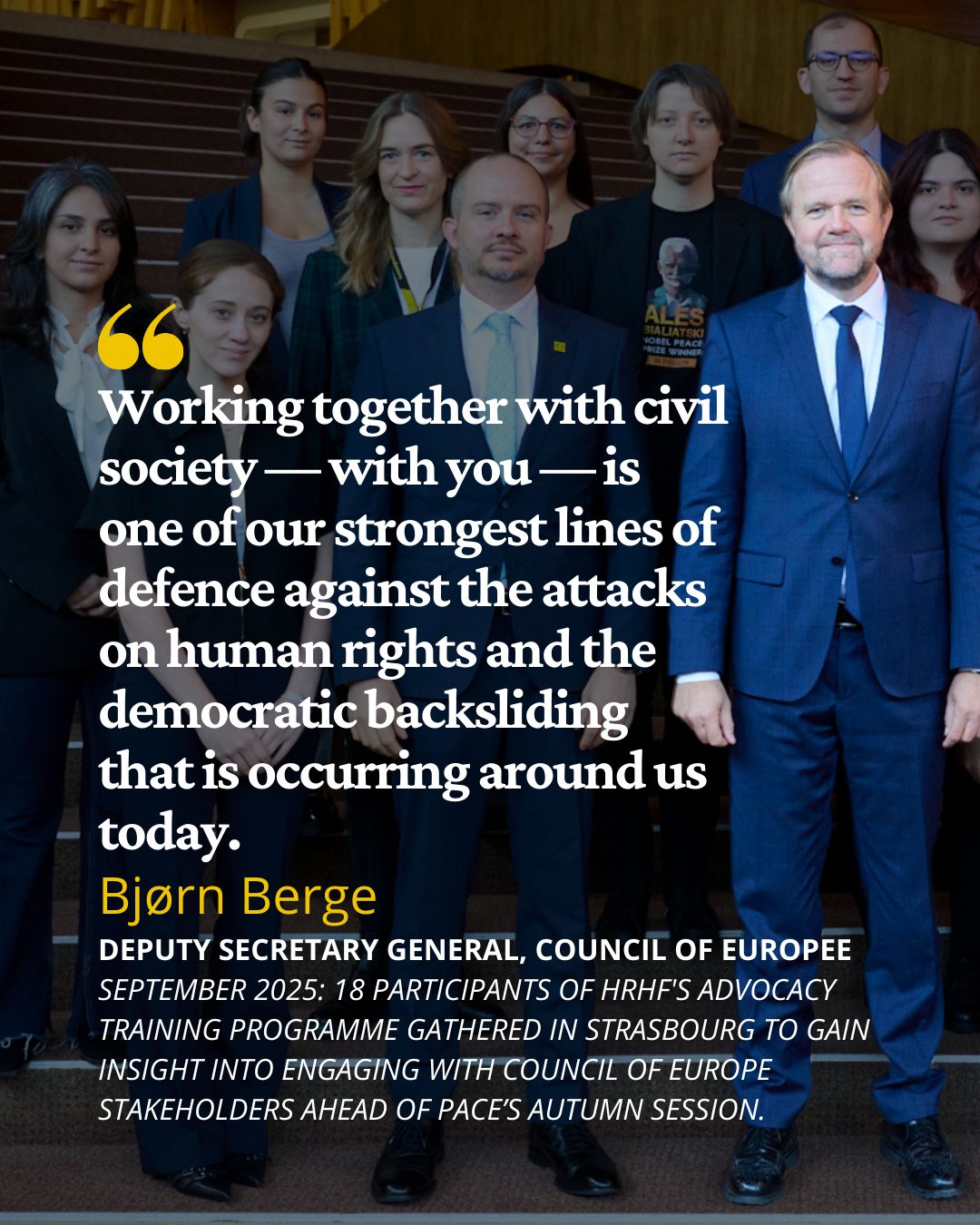
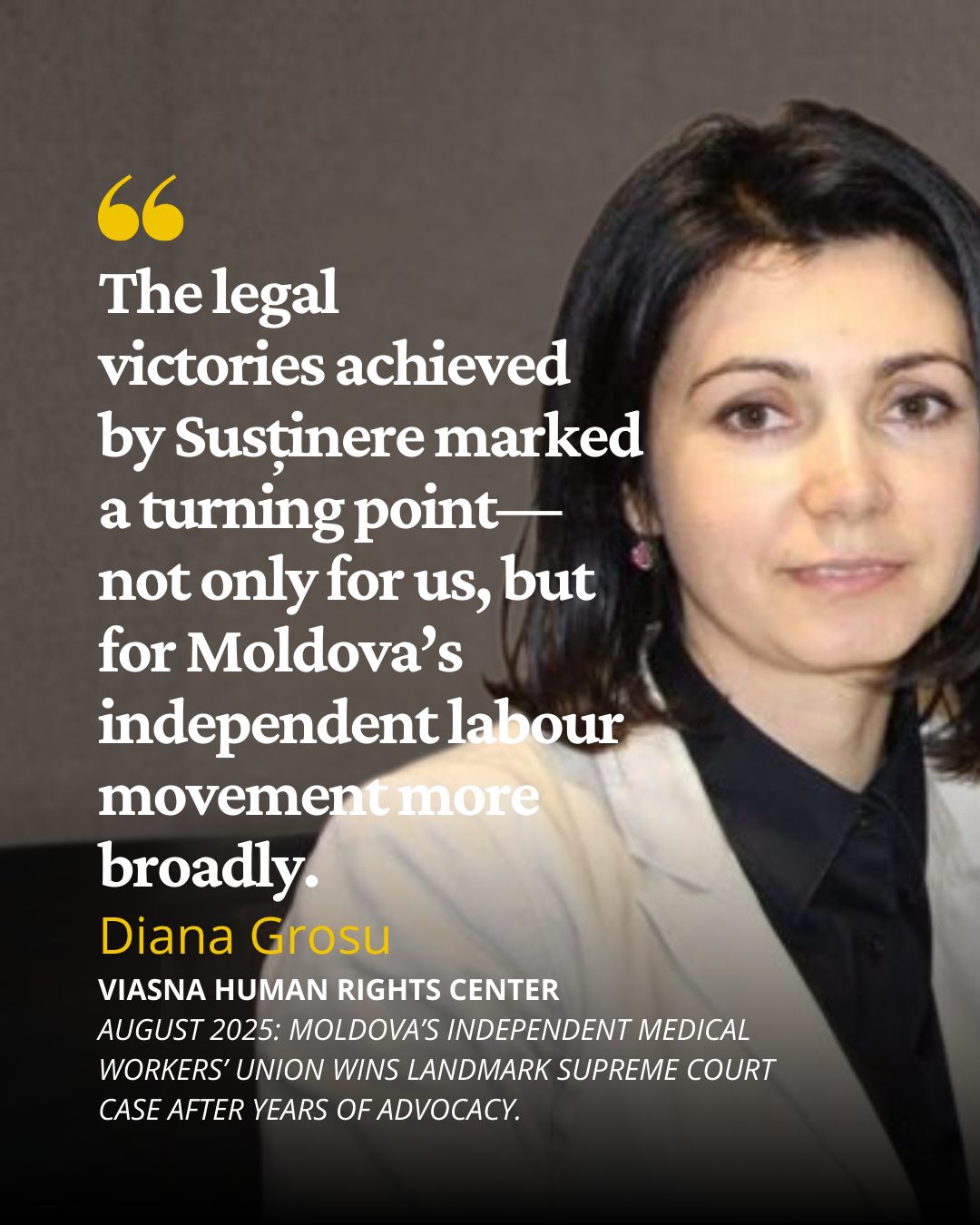
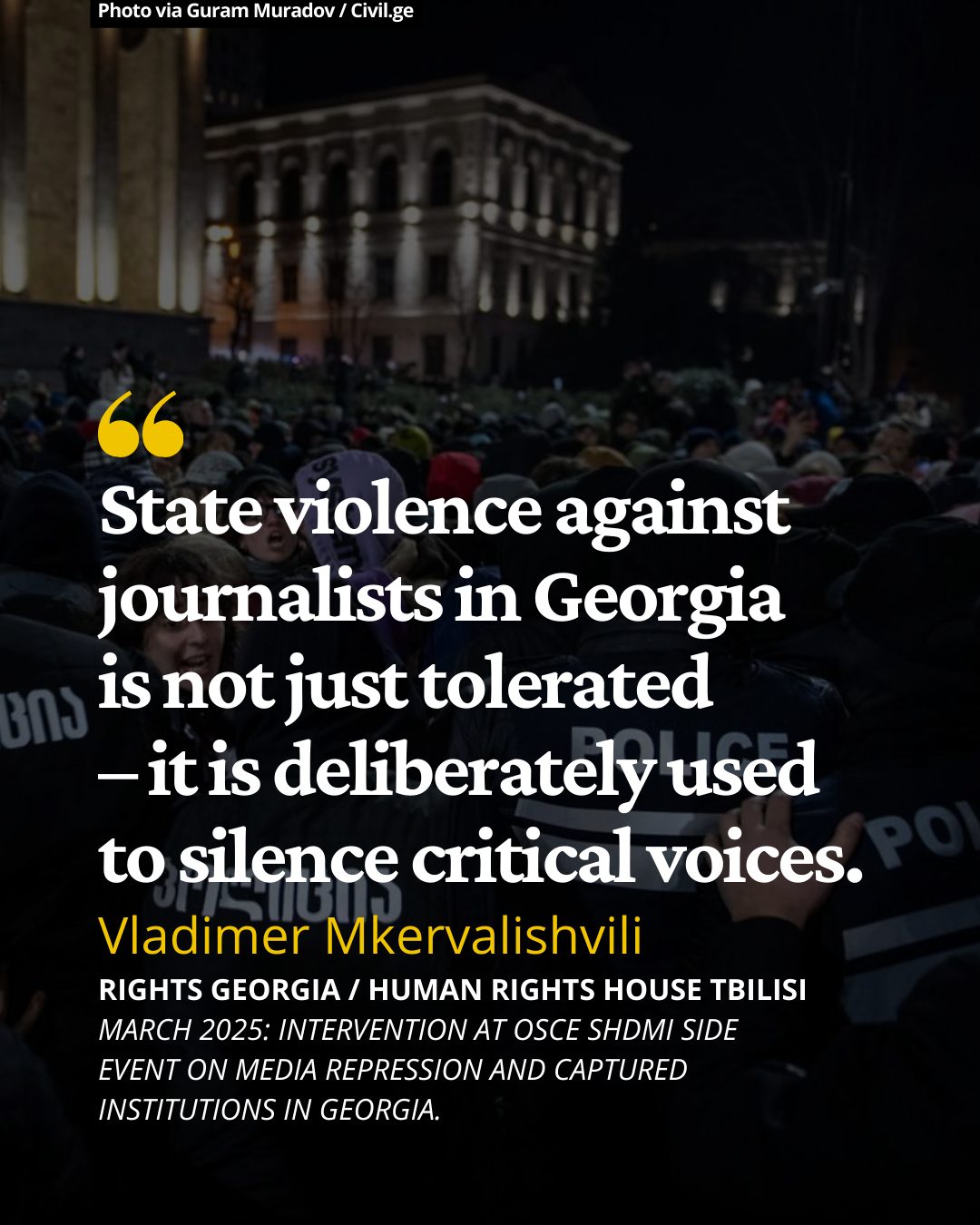
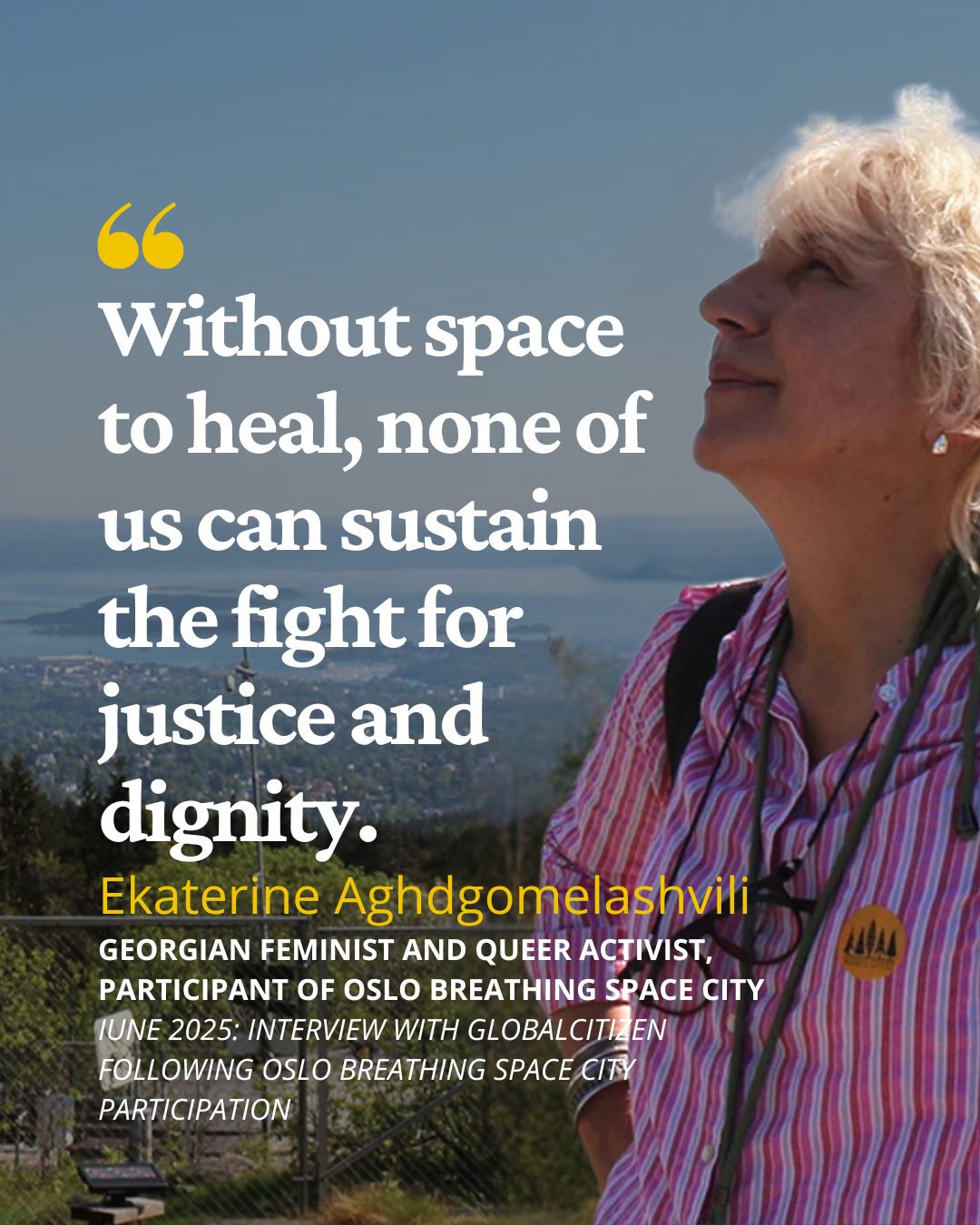
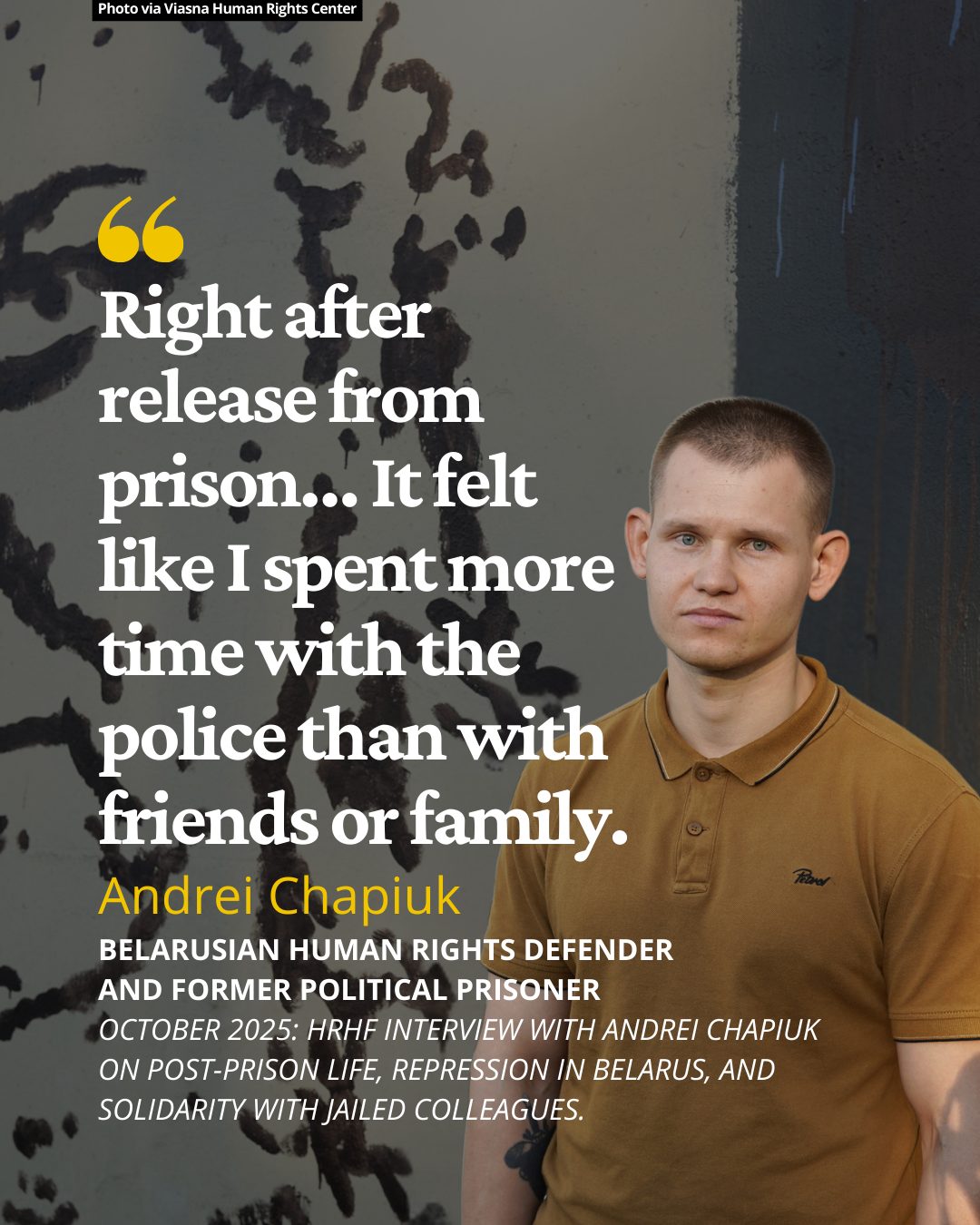
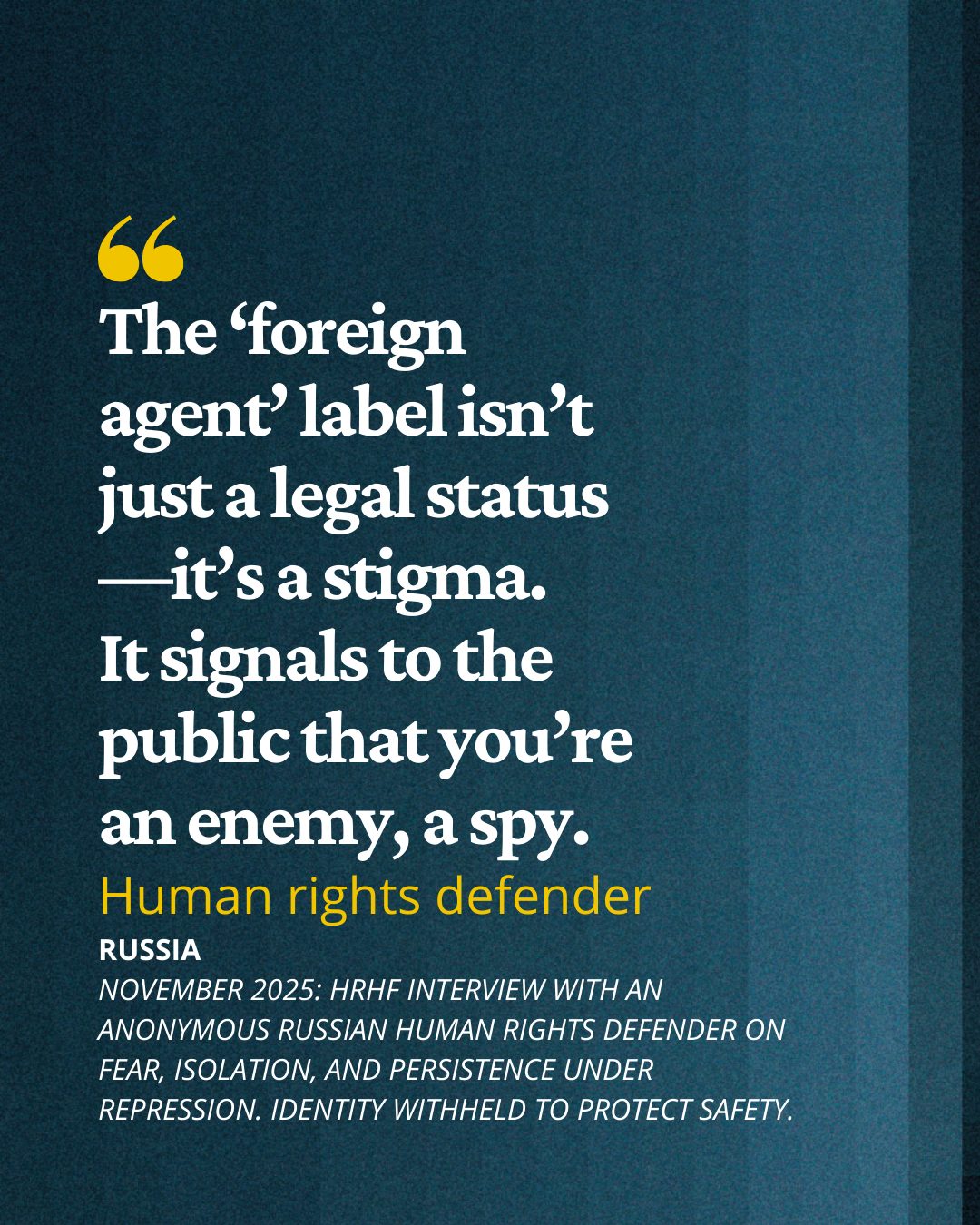
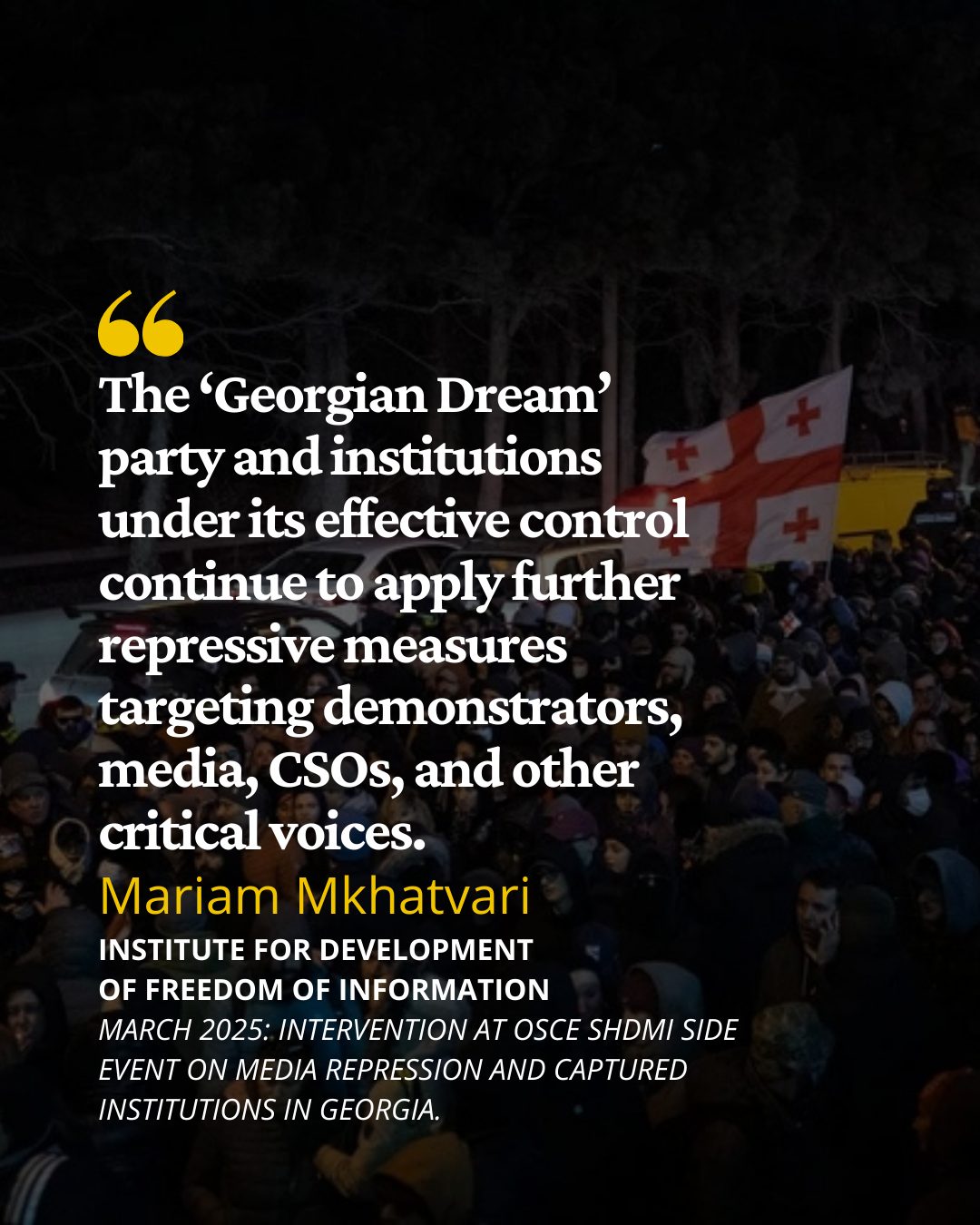
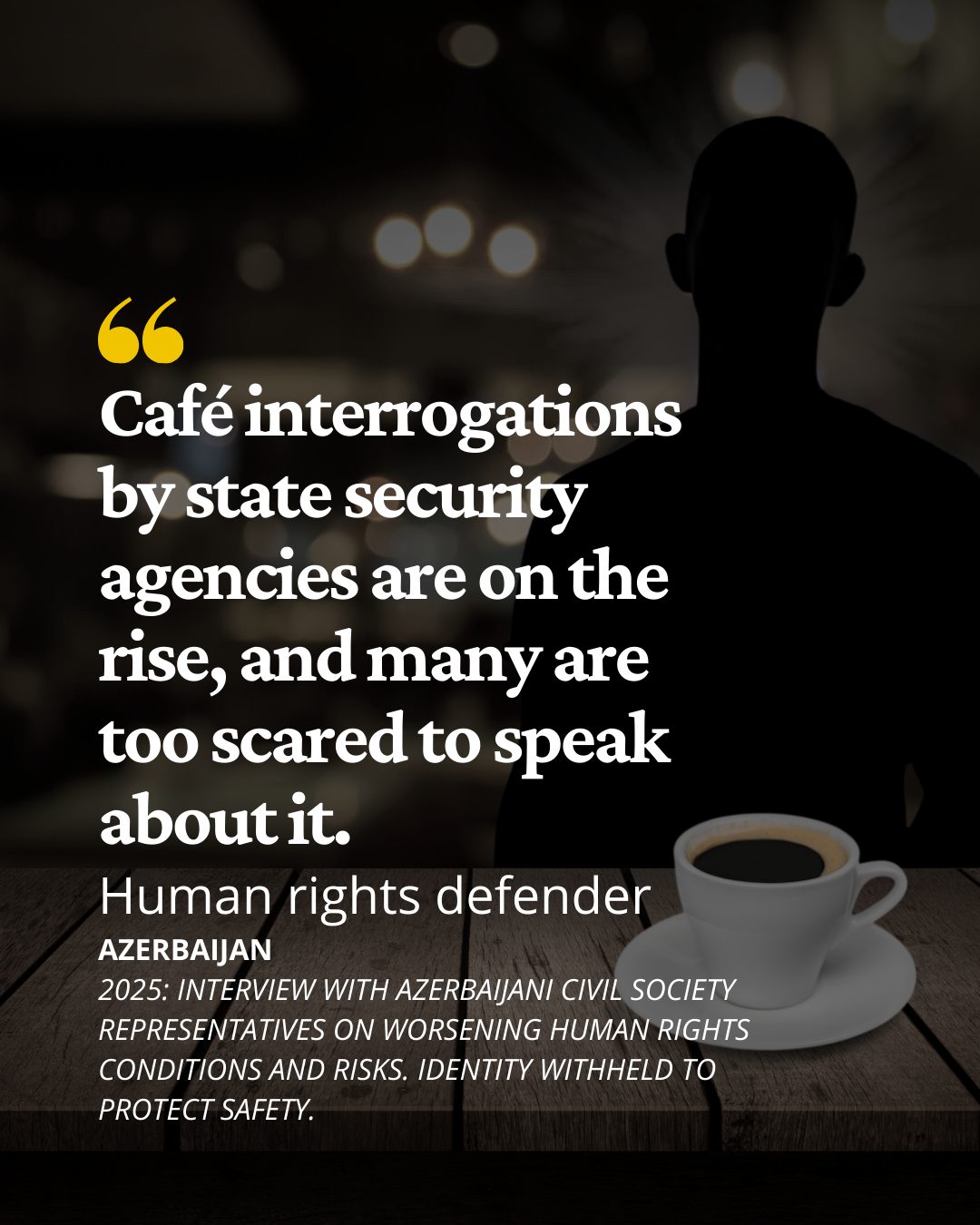
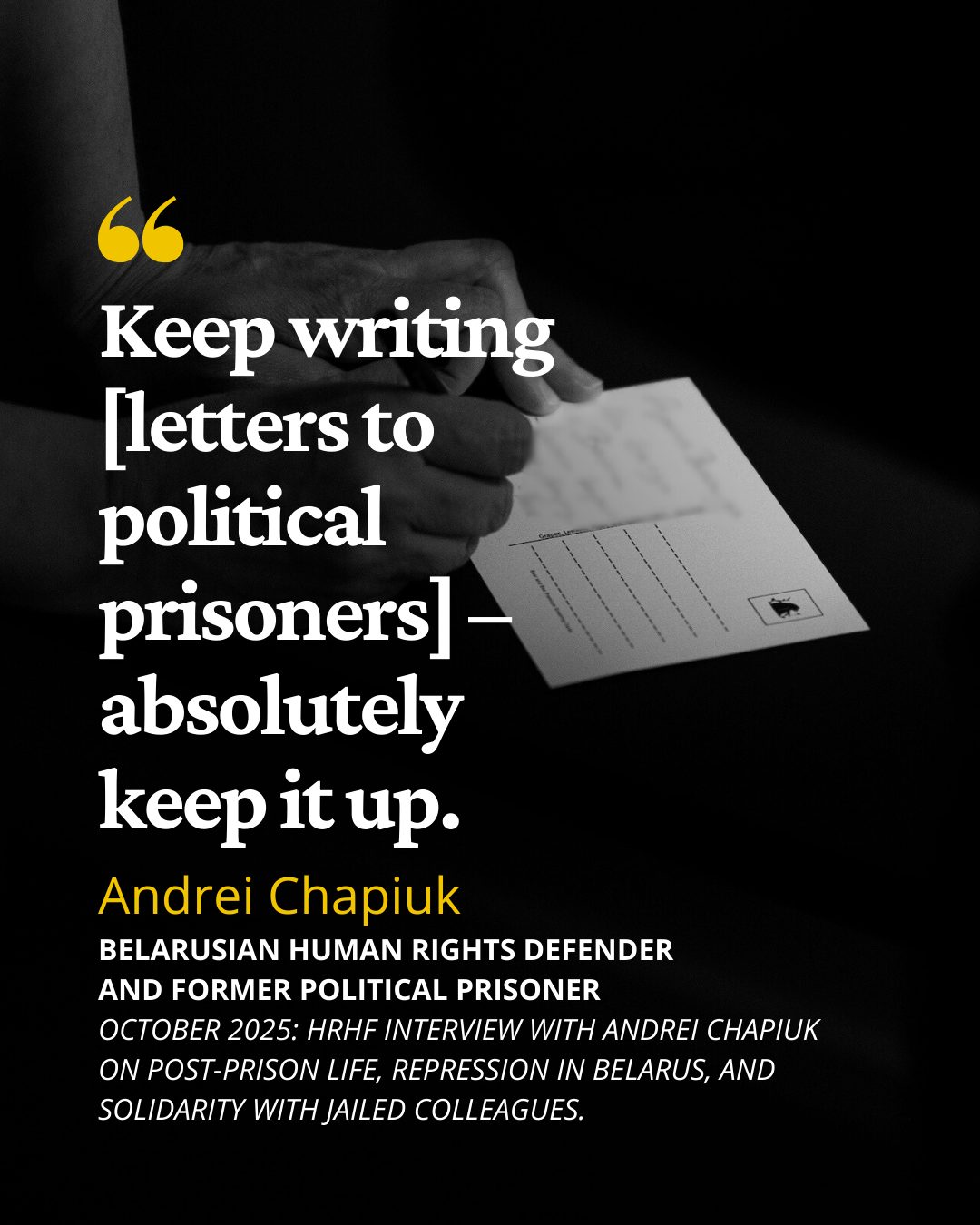
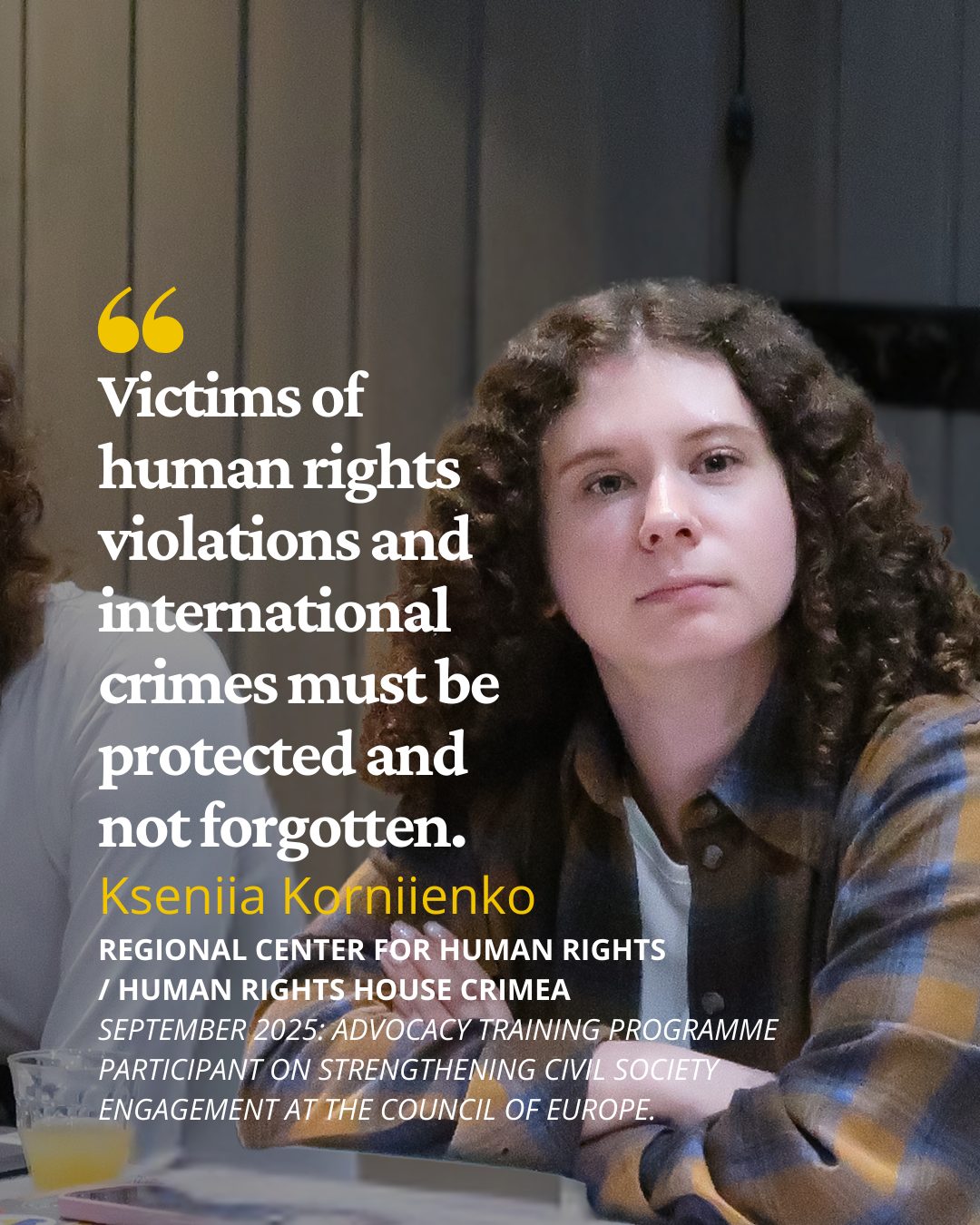
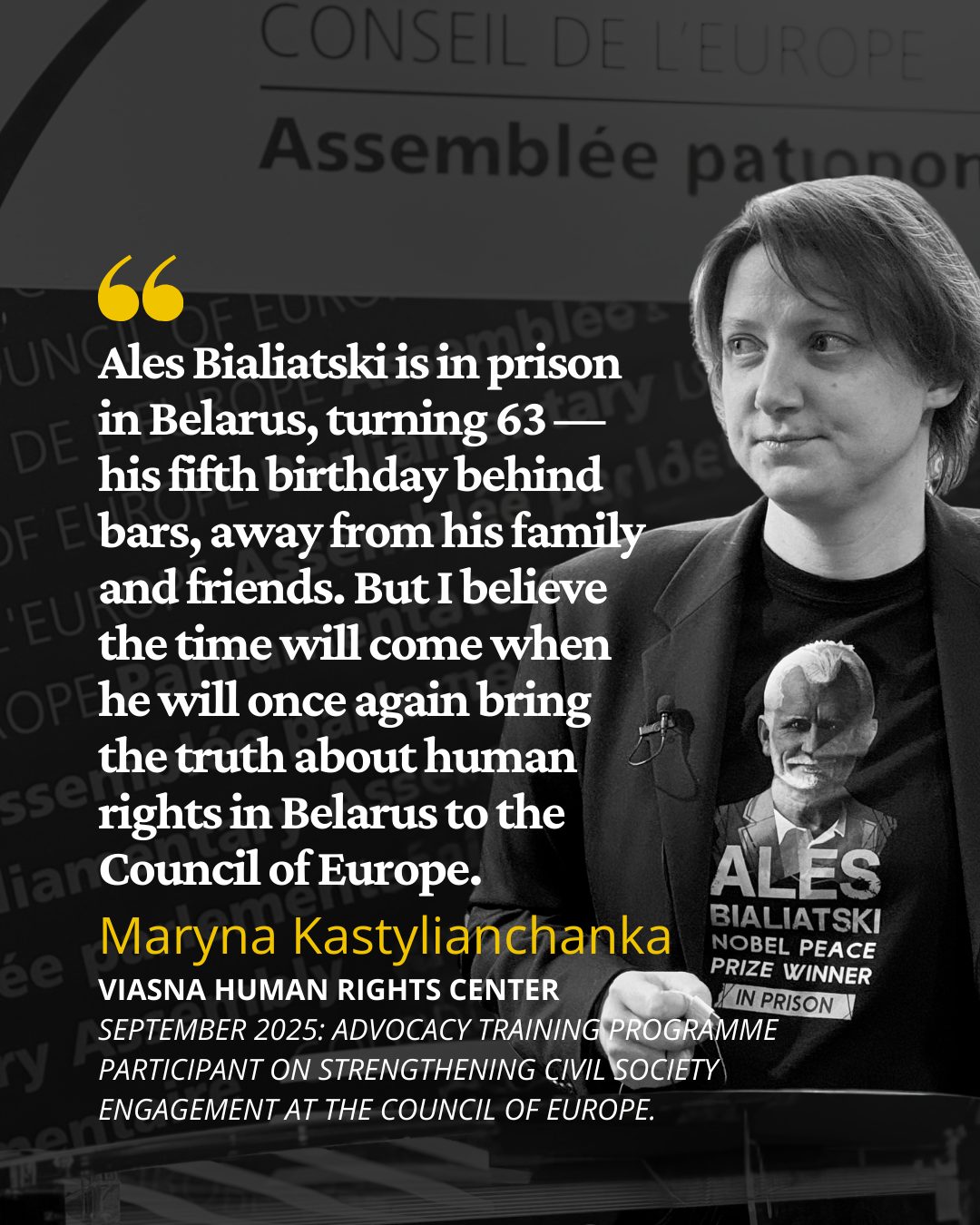
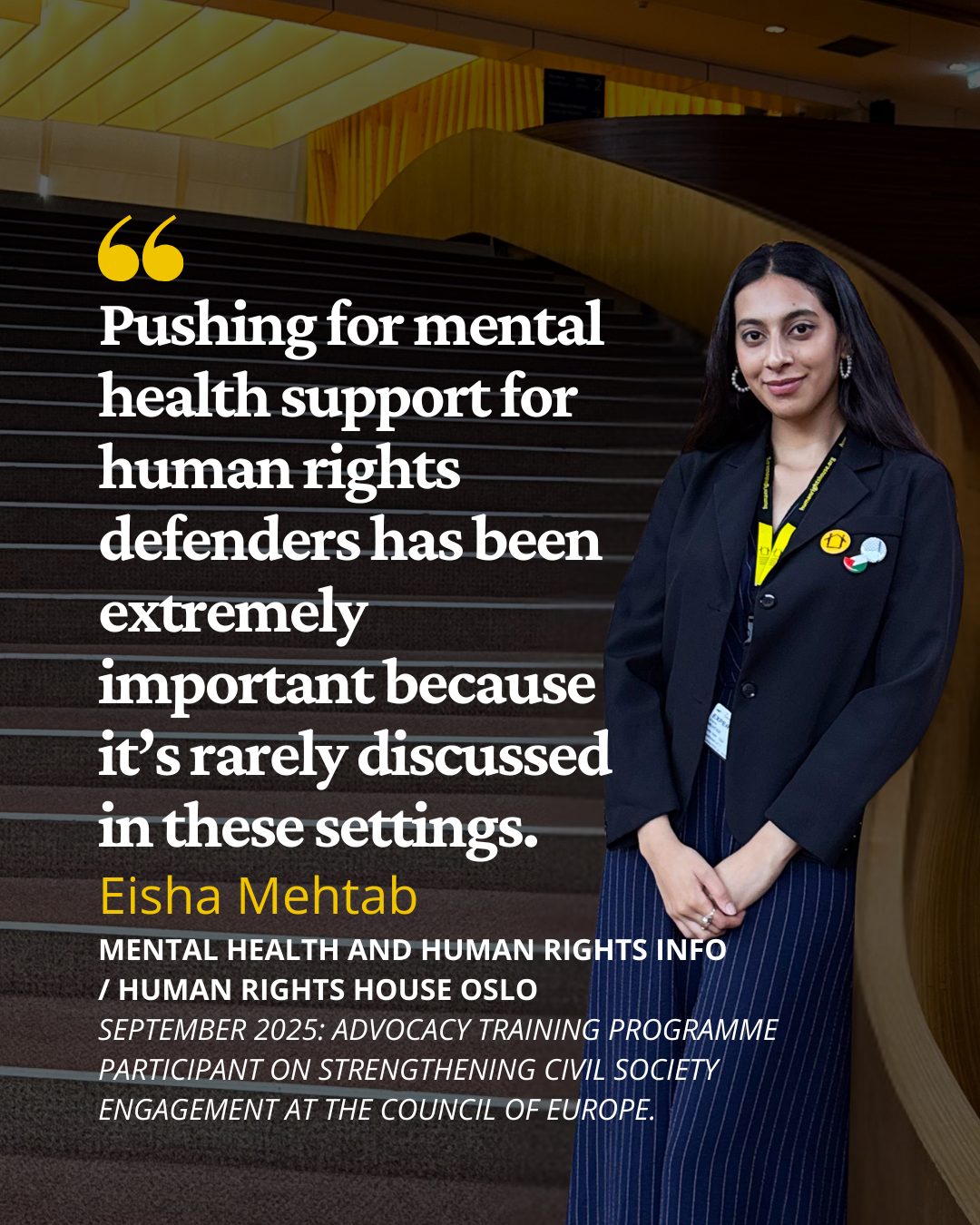
2025 in quotes from members and partners of the Network
2025 in pictures and videos
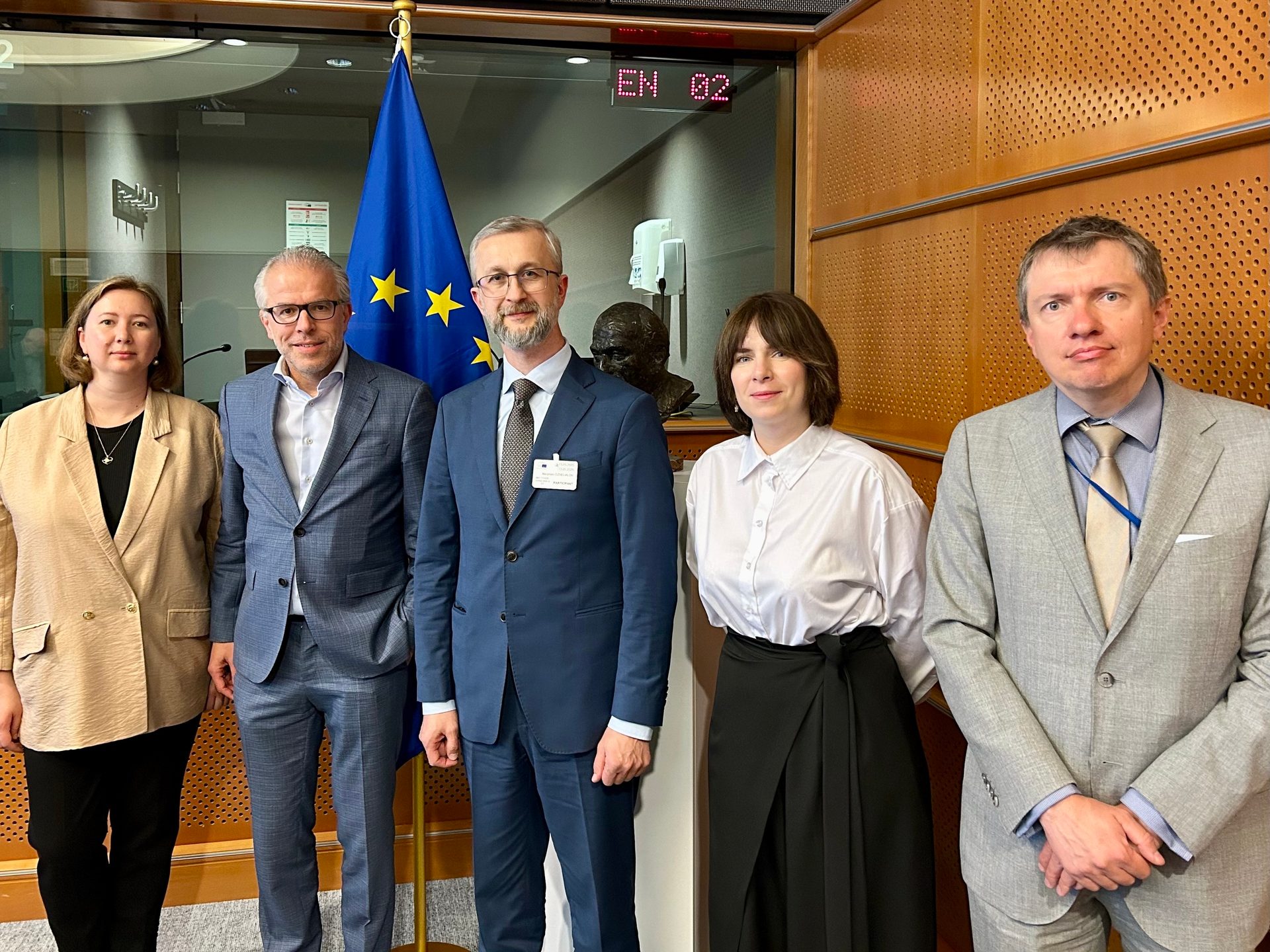
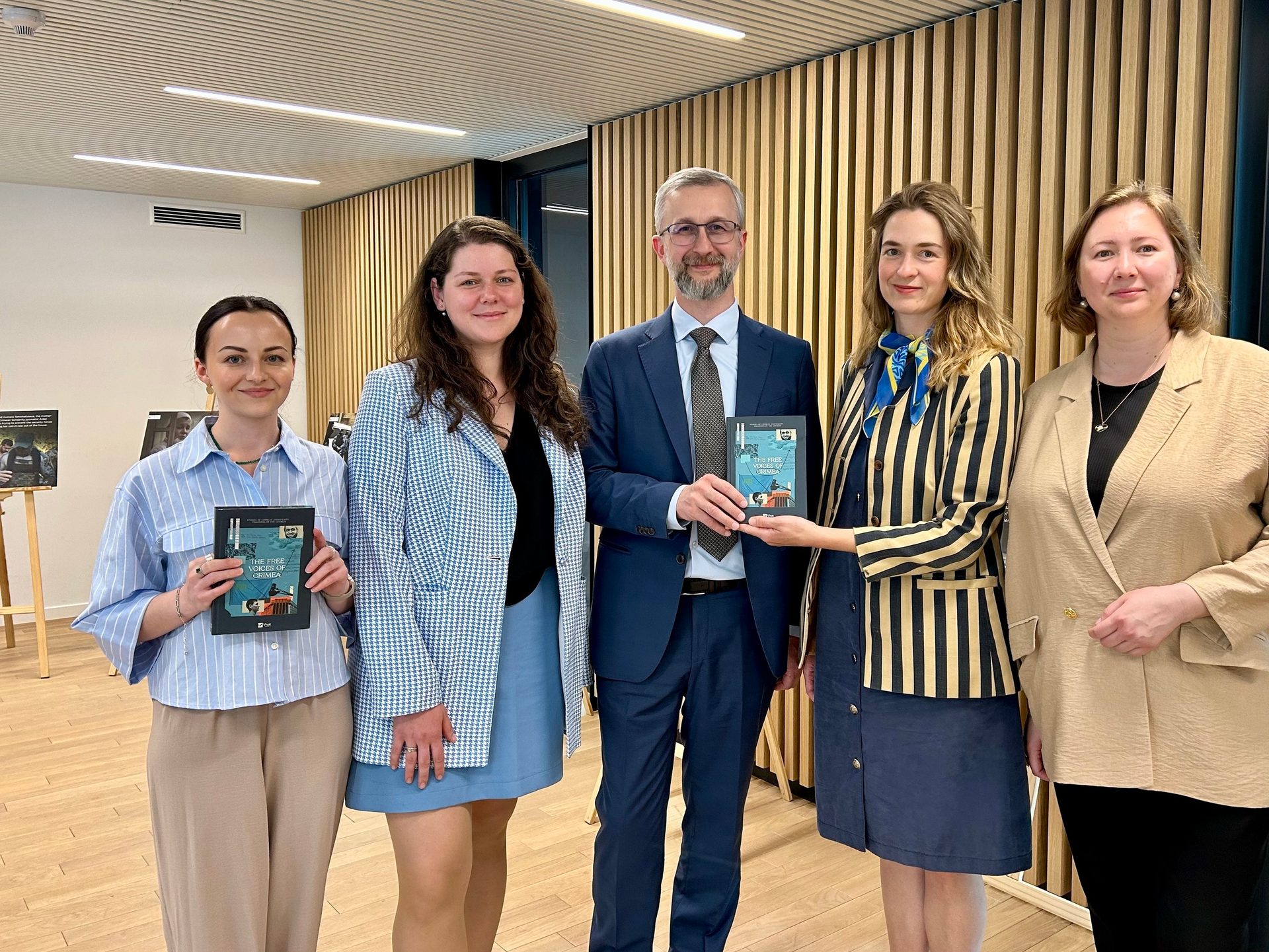
May: The civil-society-led Crimea Week took place in Brussels with a series of advocacy and cultural events gathering policymakers, civil society, and international institutions, providing platforms for sharing testimonies and fostering dialogue. The programme aimed at highlighting the human rights situation in Crimea under Russian occupation. Throughout the week, HRHF and partners from Human Rights House Crimea and its member organsiations conducted targeted advocacy meetings with key EU institutions. The week began with a testimony from Crimean Tatar leader and former political prisoner Nariman Dzhelyal, recently released from Russian imprisonment. HRHF had advocated for his release for years.
April: HRHF’s Kety Abashidze visits partners at Human Rights House Yerevan to map needs and possibilities for at risk HRDs from the region inside Armenia.
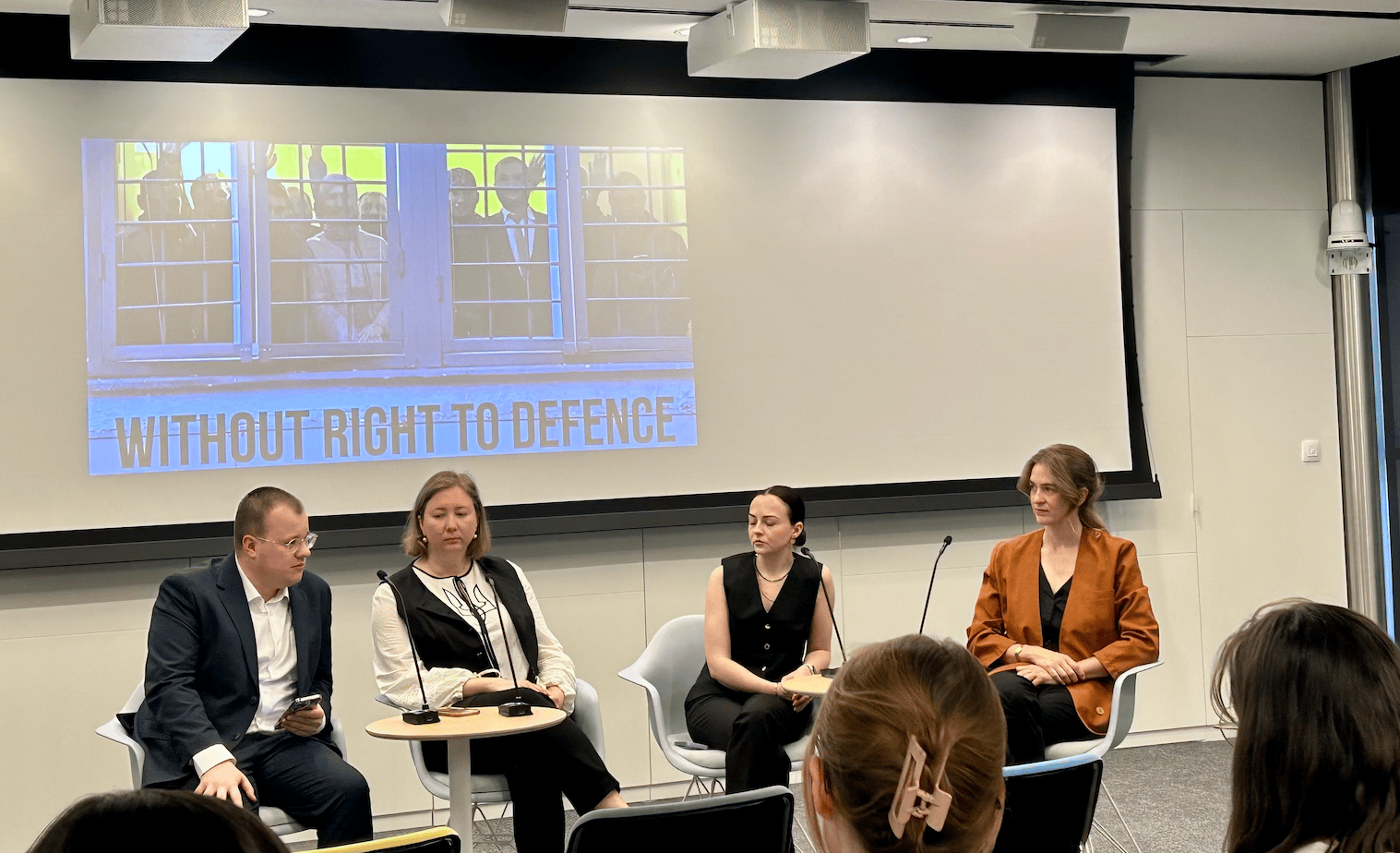
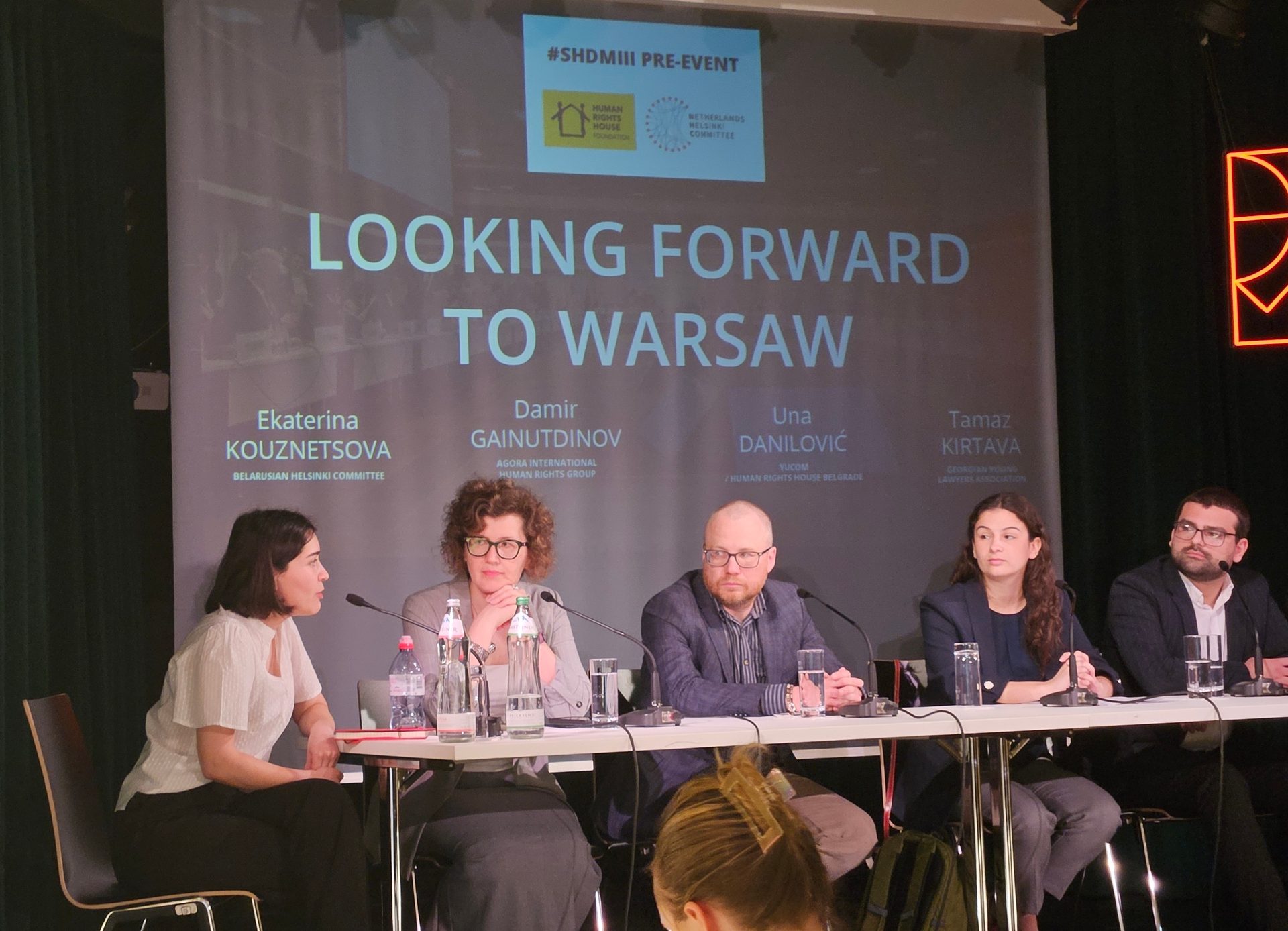
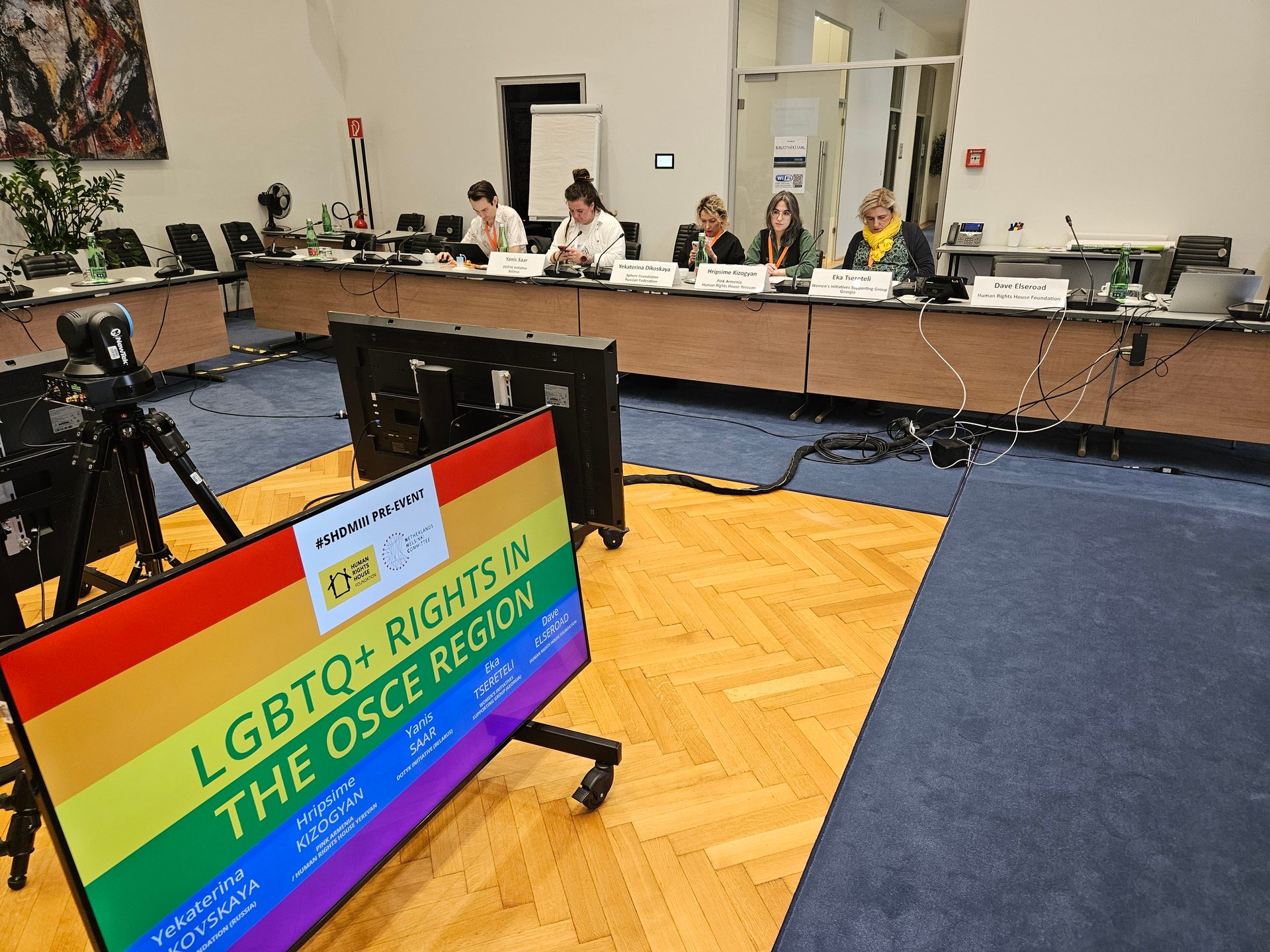
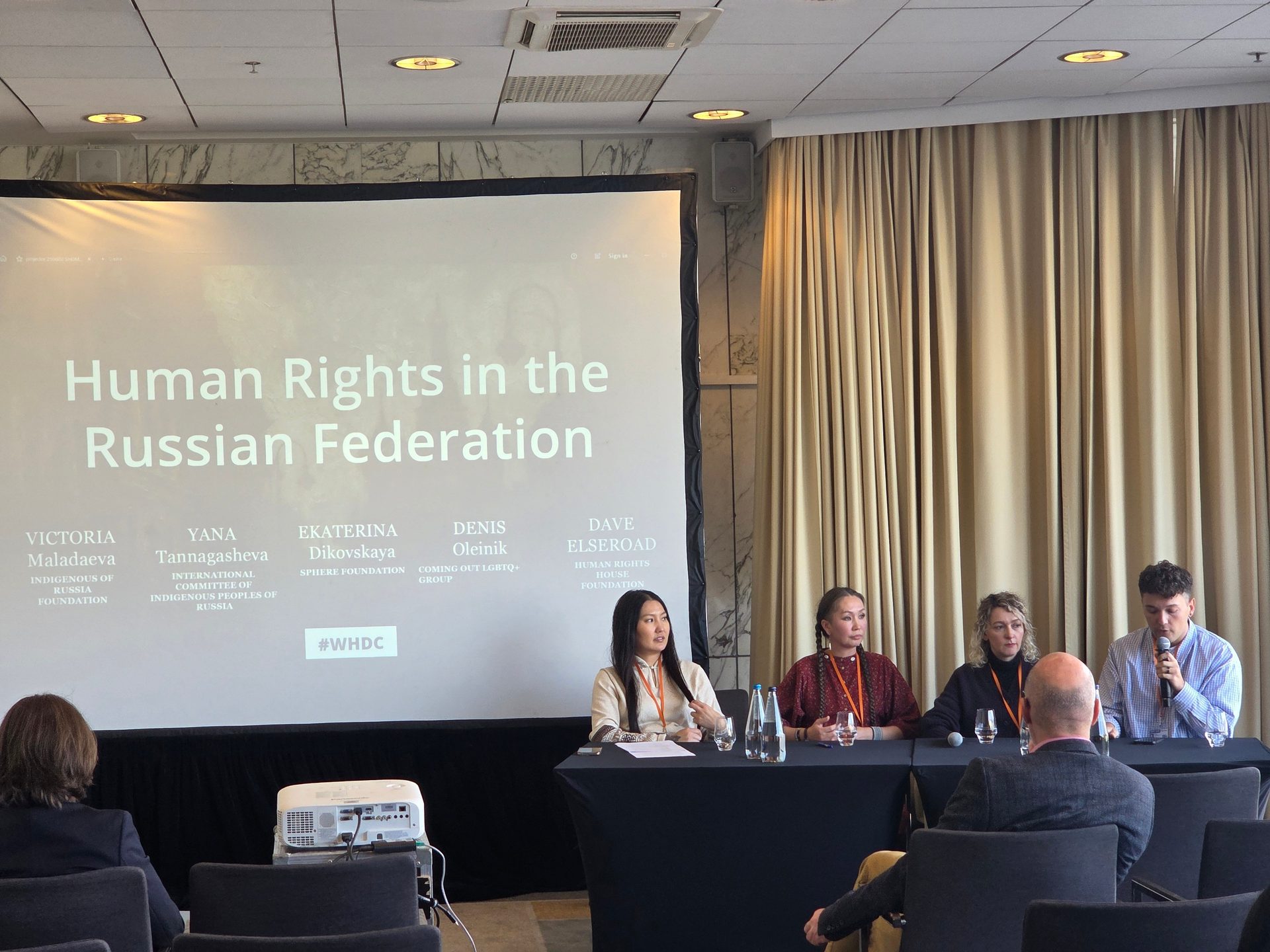
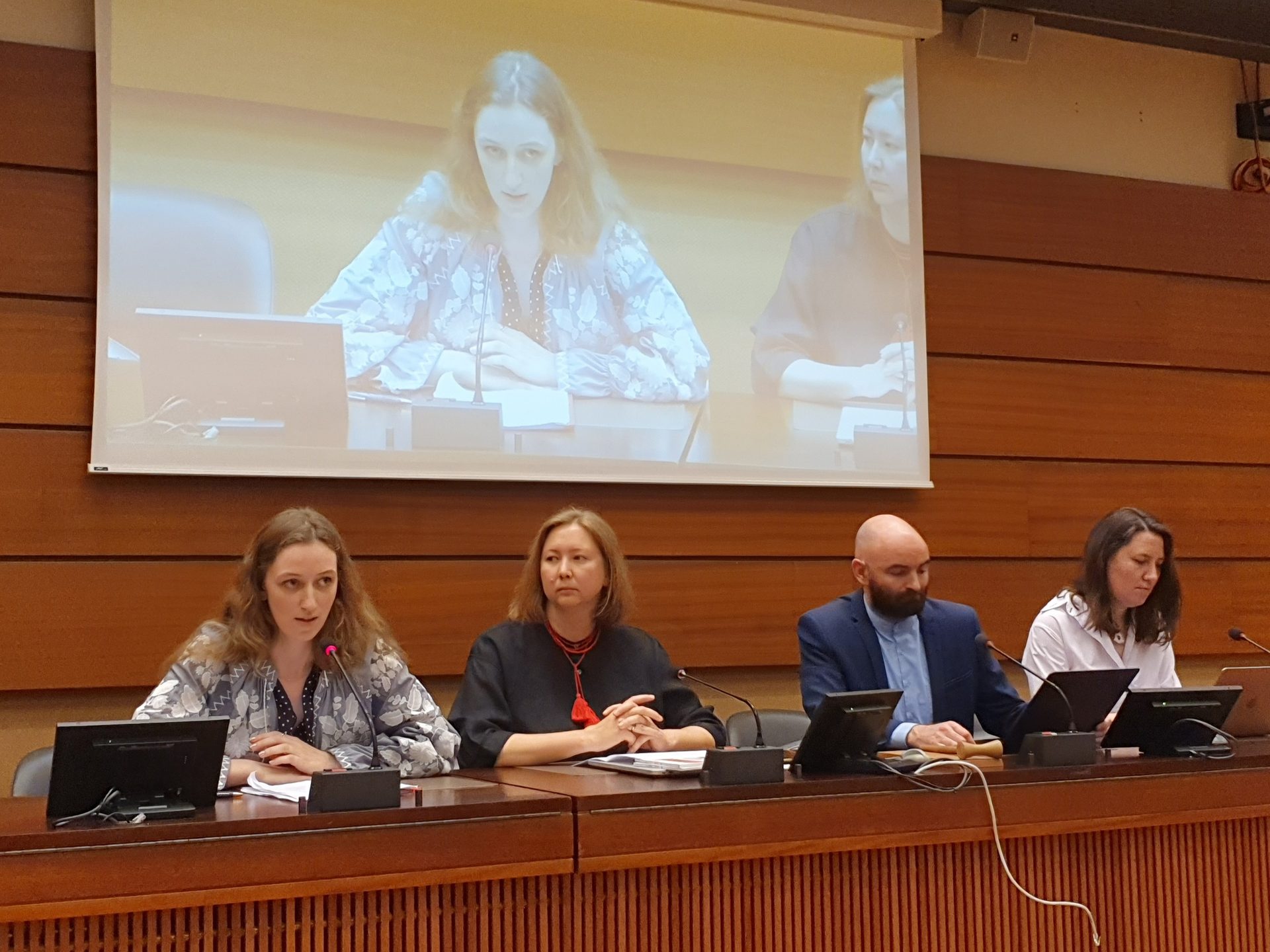
Throughout the year, HRHF facilitated and participated in a number of side events at the UN and OSCE alongside civil society partners from the Network of Human Rights Houses and beyond.
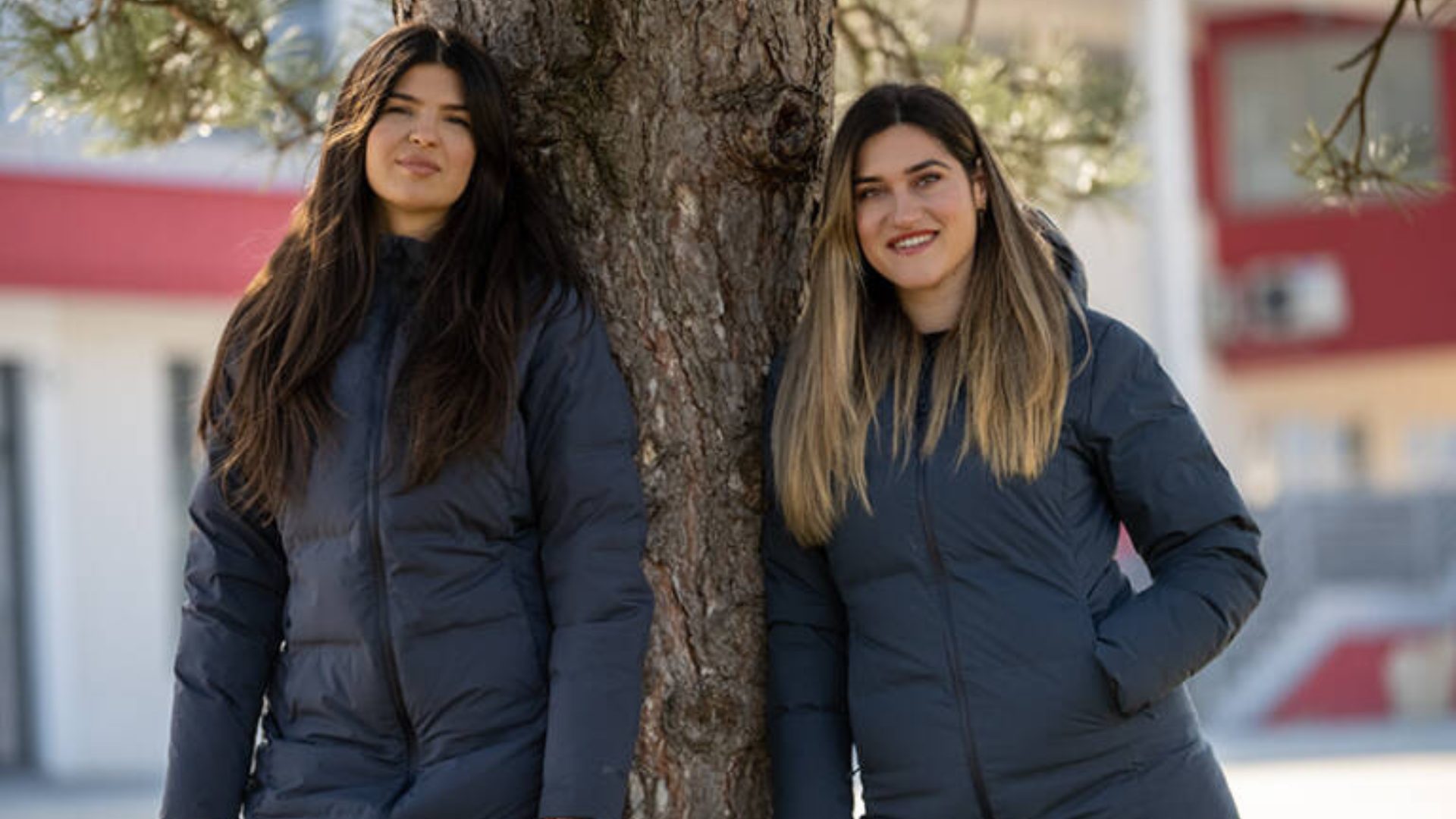
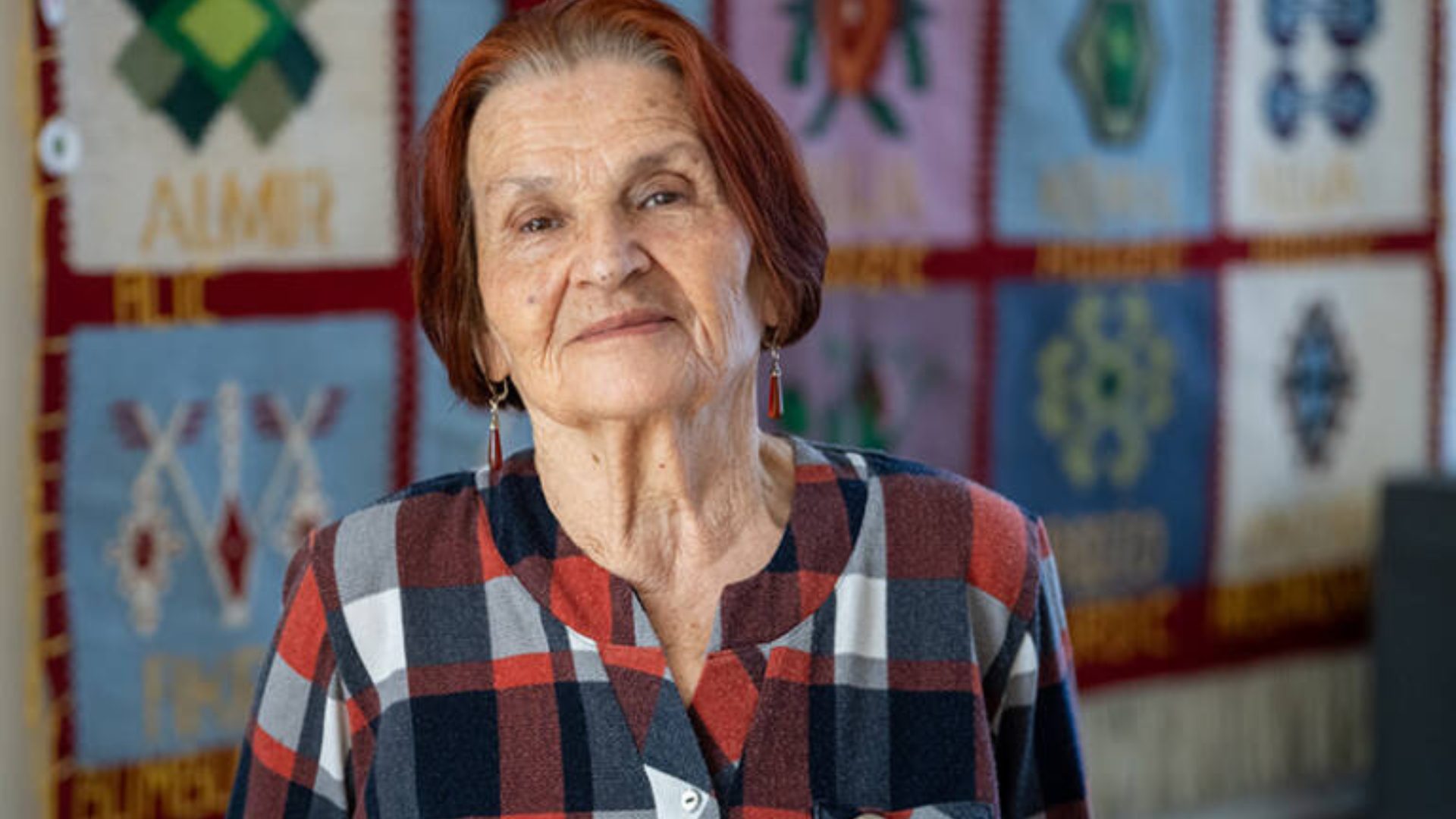
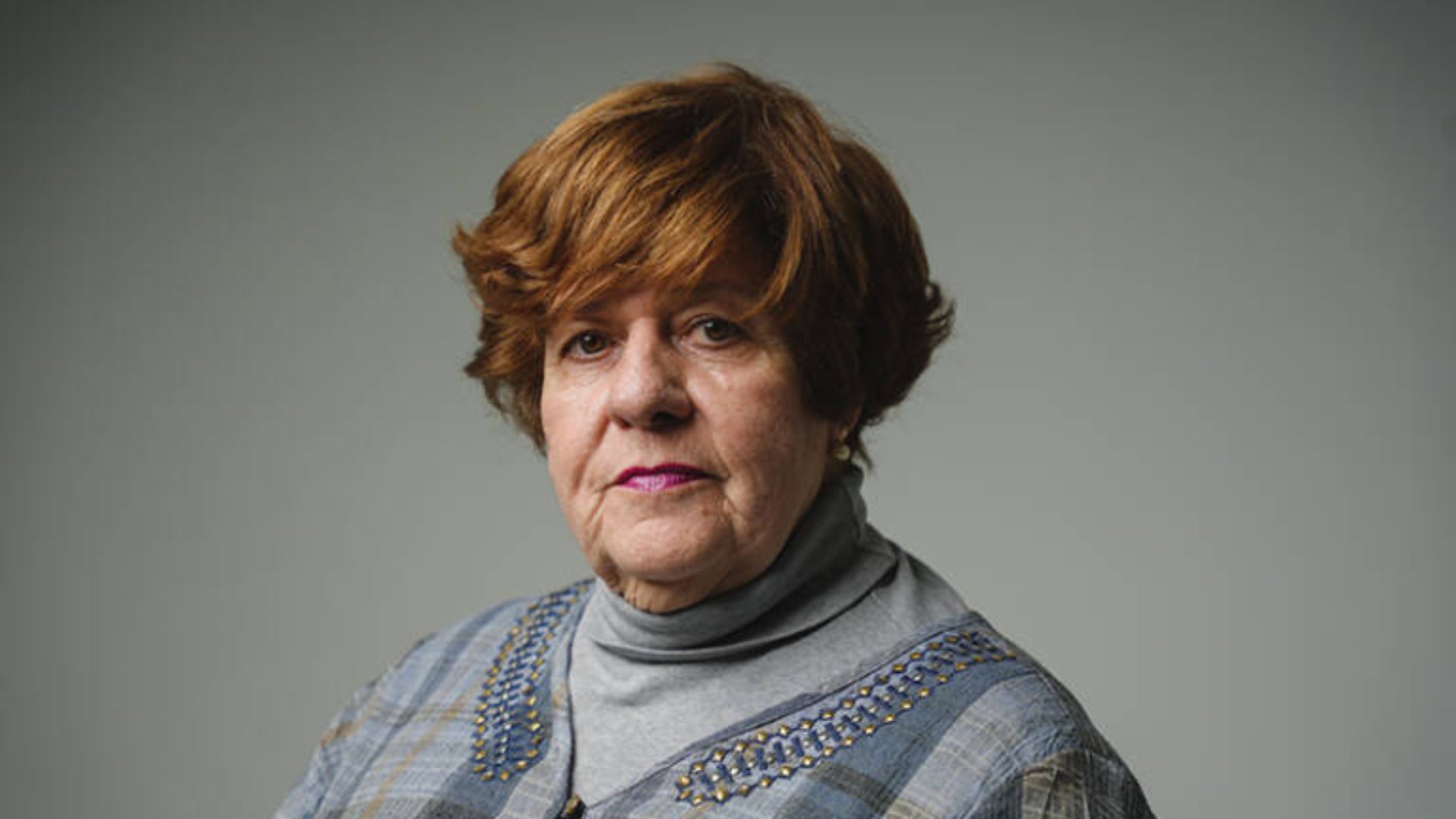
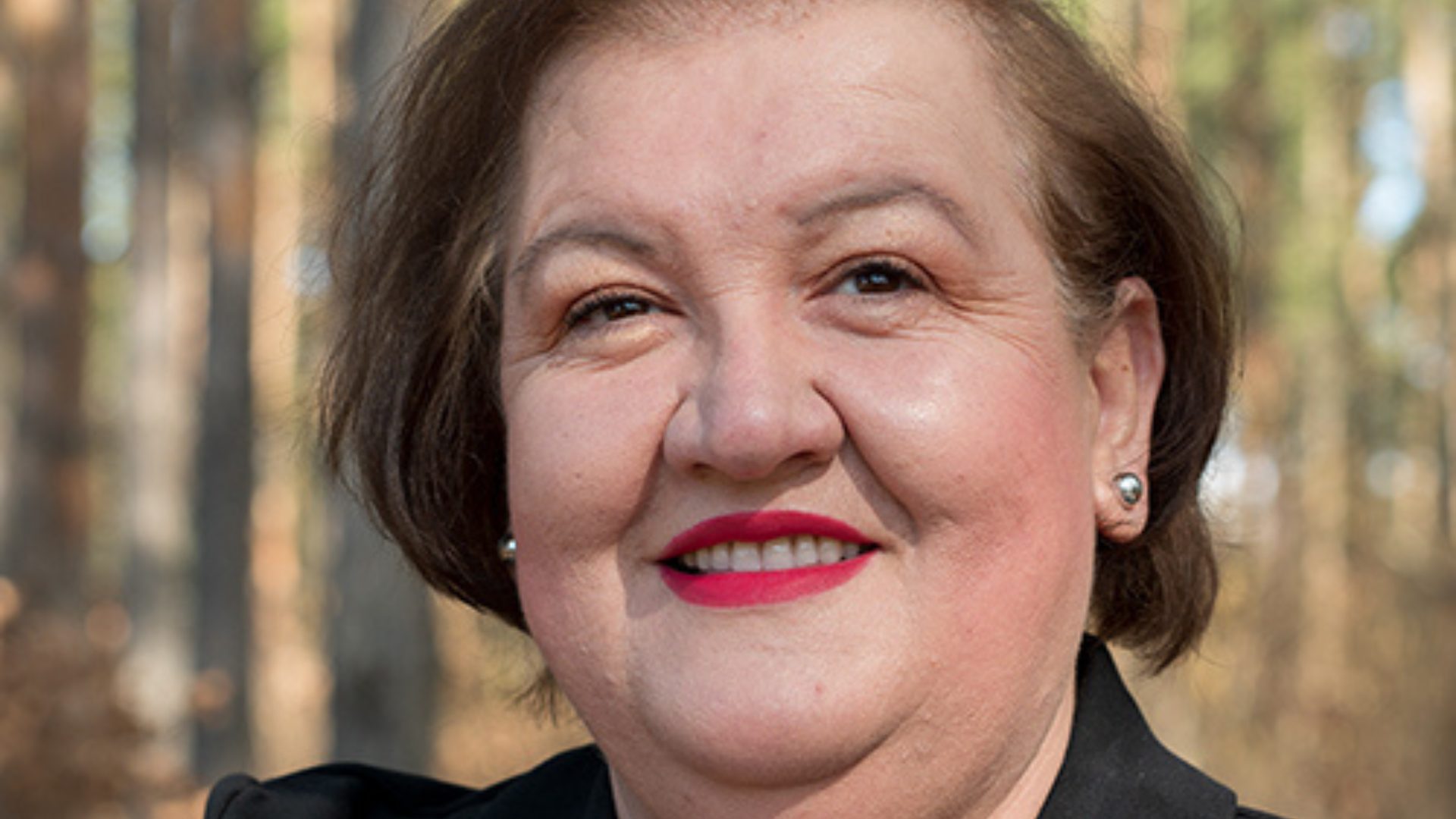
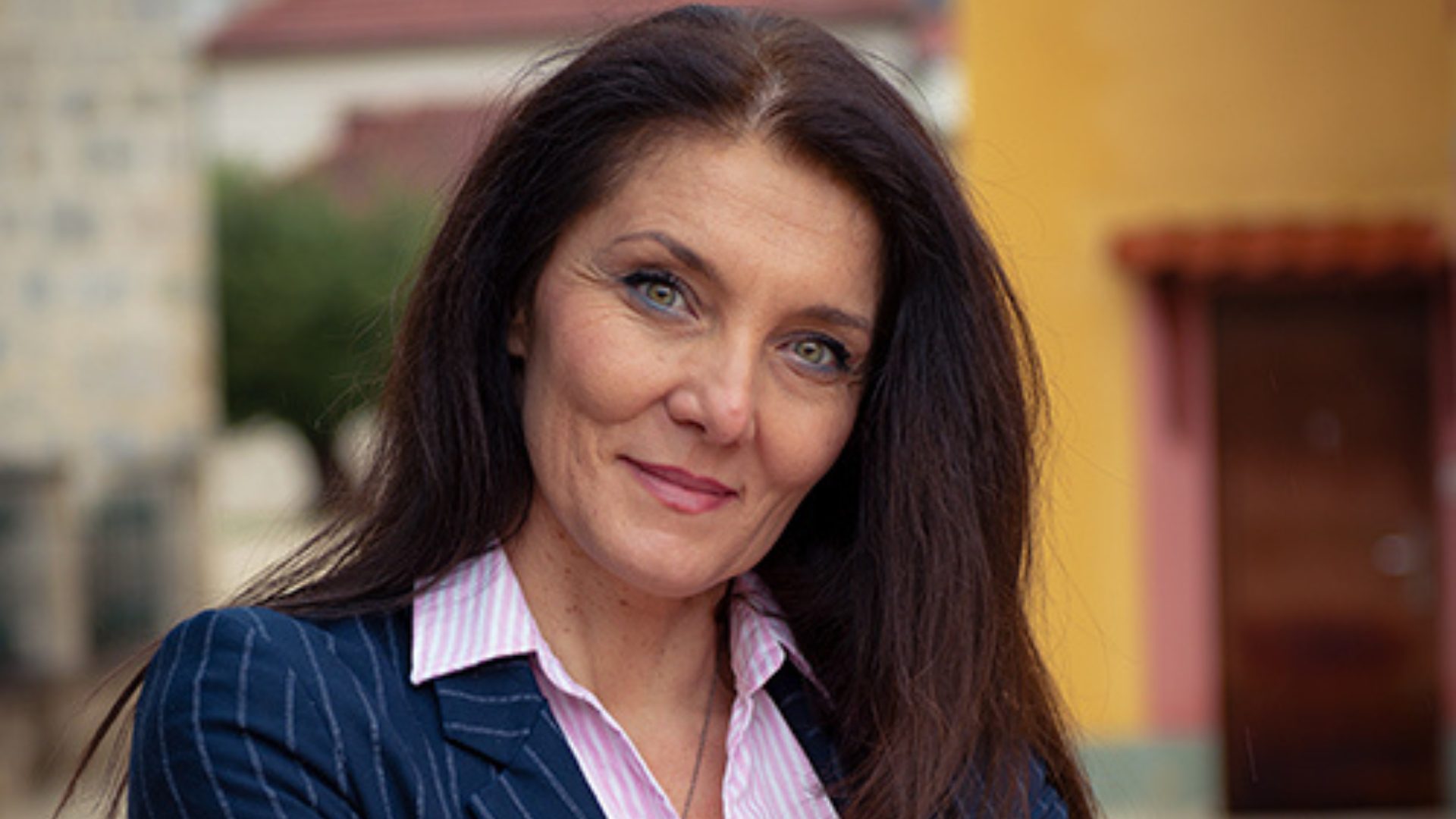
In 2025, supported by HRHF, Human Rights House Banja Luka produced a powerful exhibition, “The Face of a Defender” highlighting the vital role played by women human rights defenders in Bosnia and Herzegovina. The exhibition, inspired by Portraits of Strength, was launched in May in three cities across the country. Read about the women and their stories here (in Bosnian).



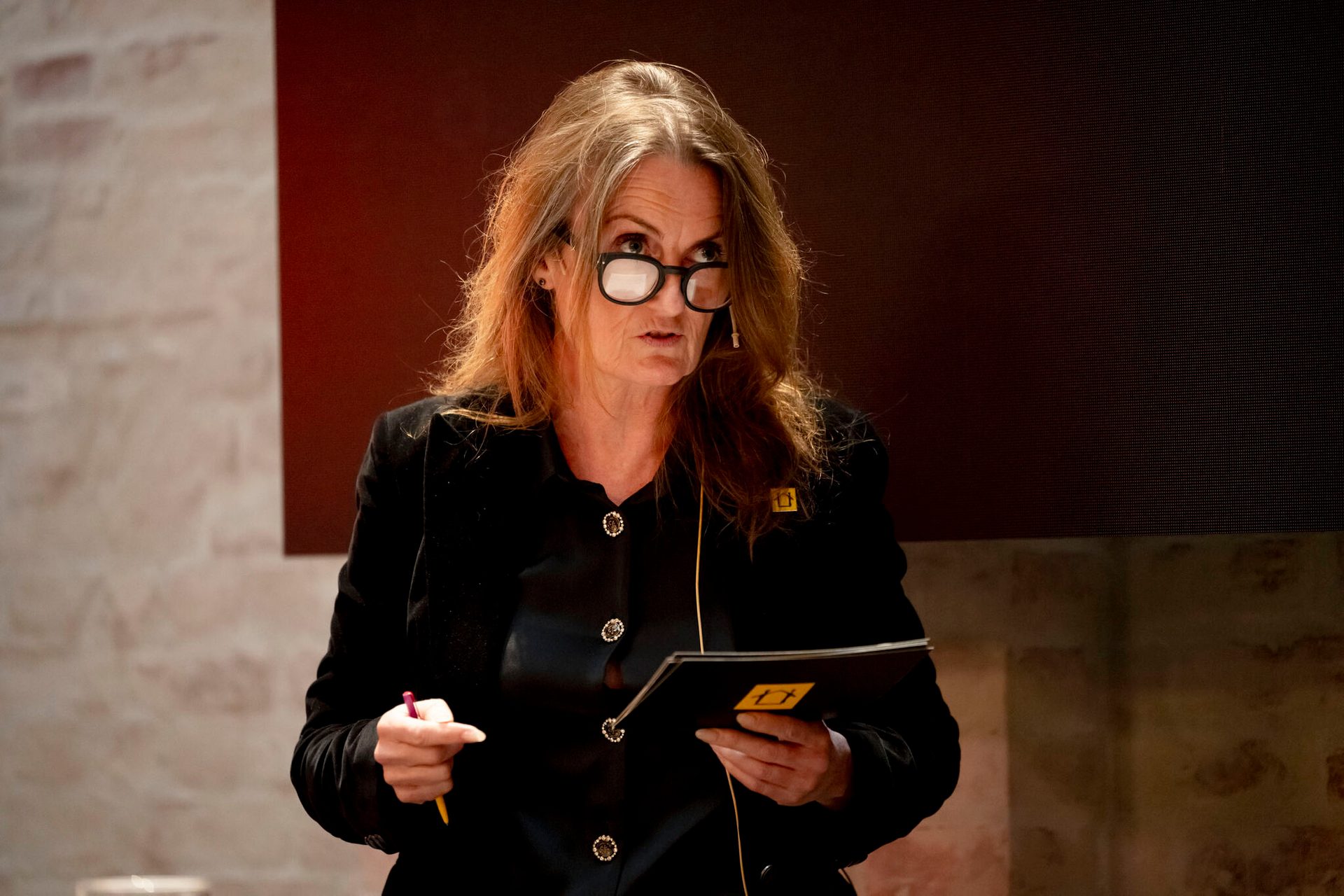
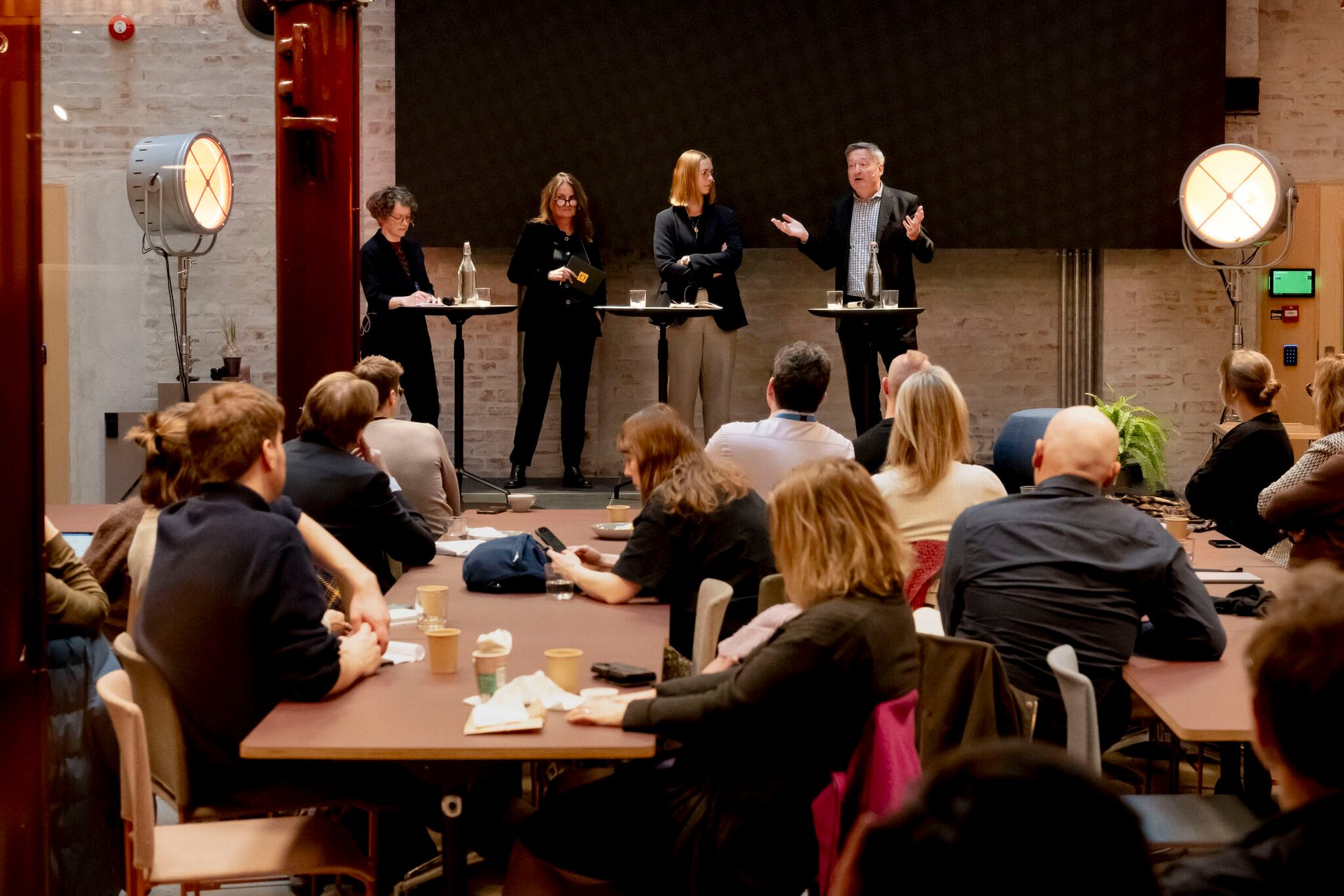
March: HRHF’s Maria Dahle participates in a civil society discussion on journalism and the work of human rights defenders in the context of current global challenges hosted by NORAD.
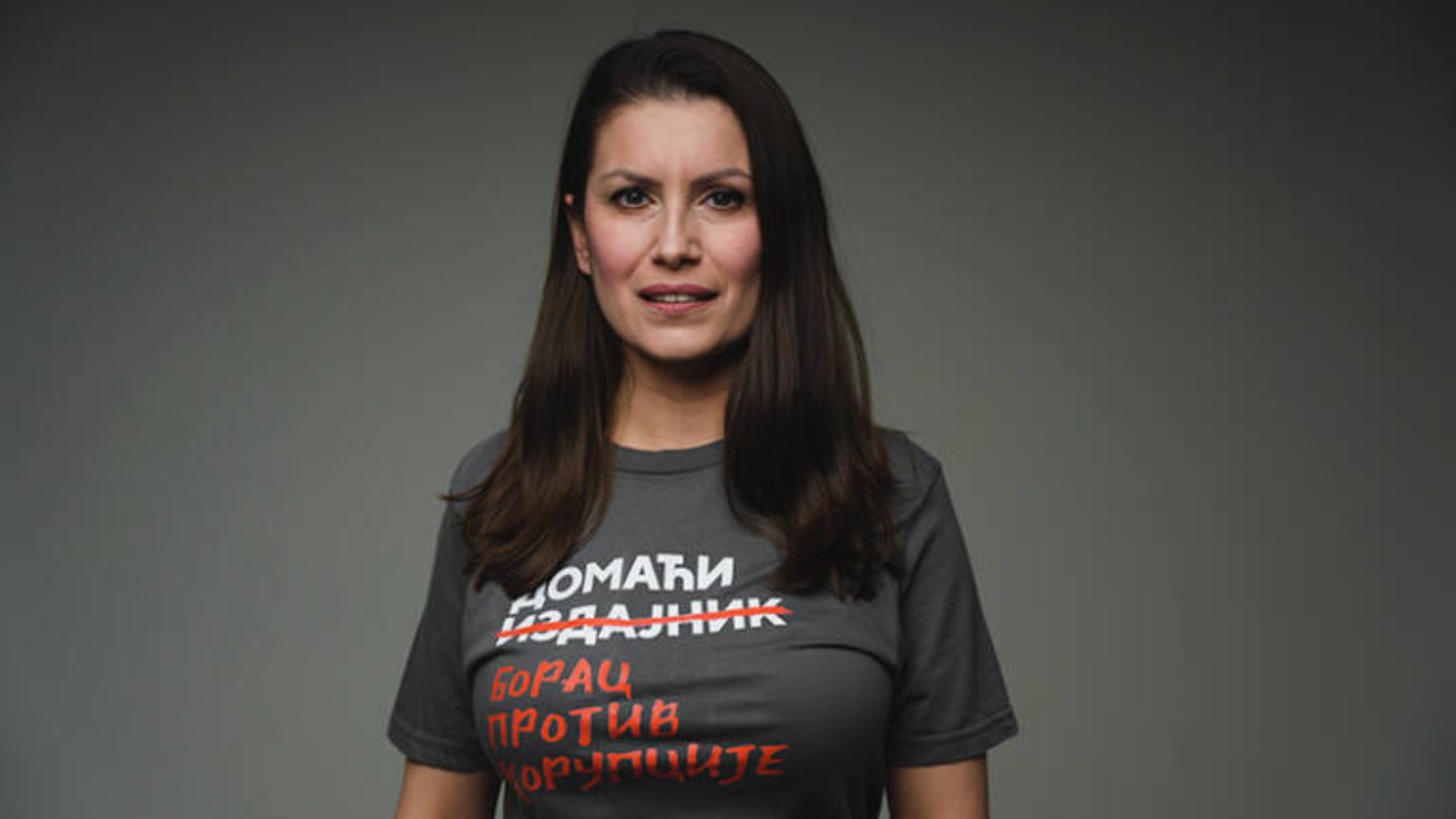
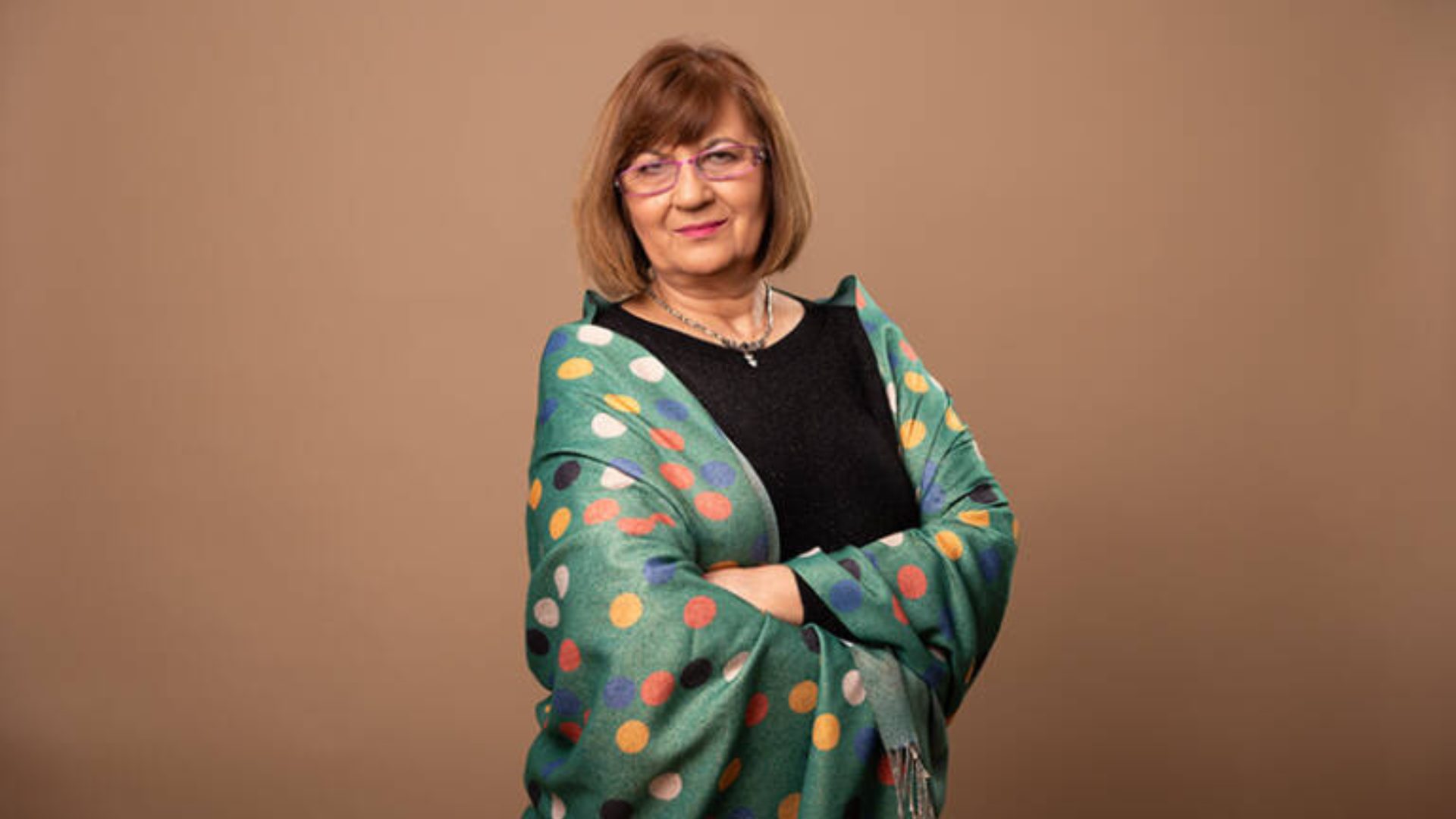
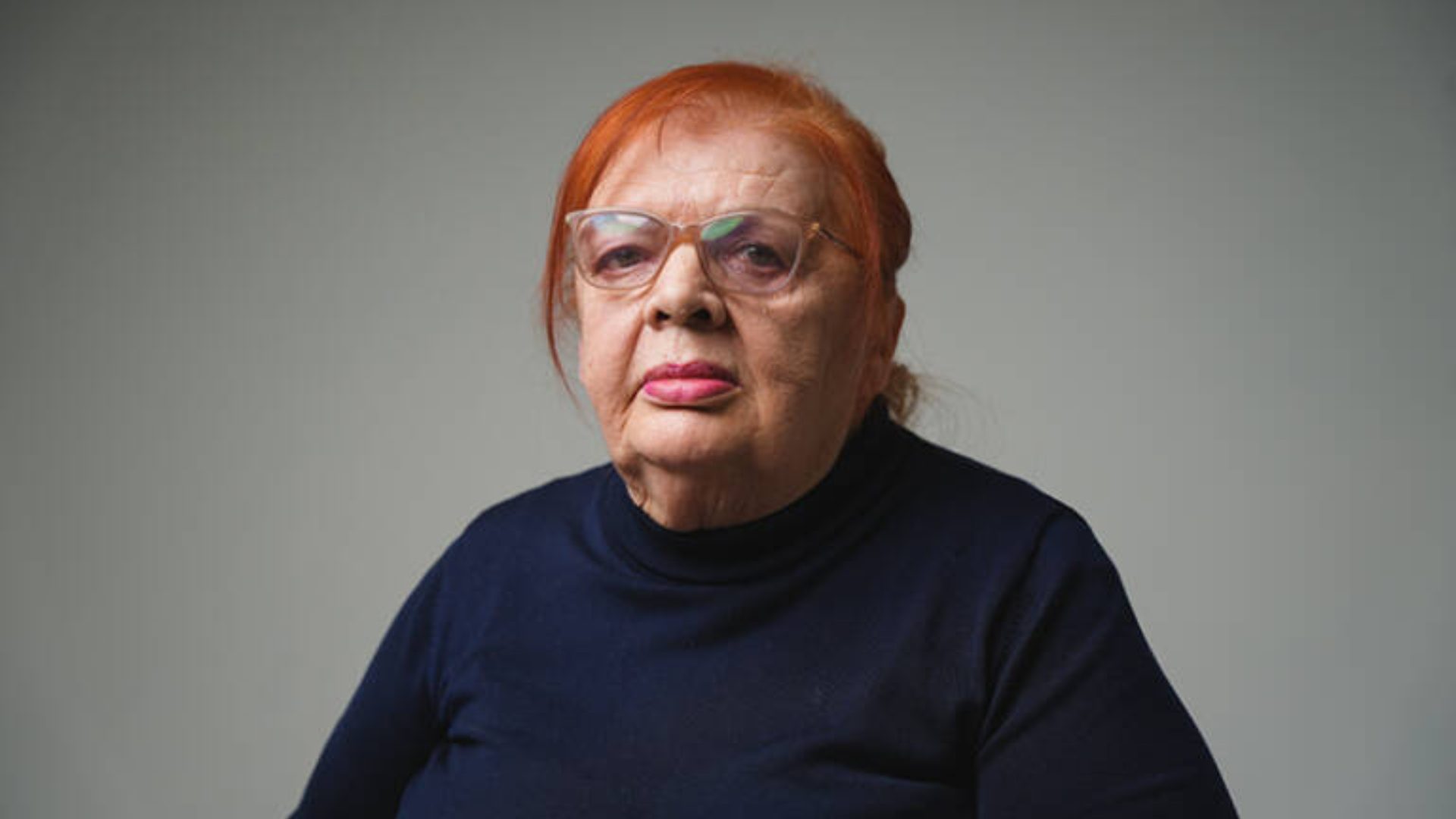
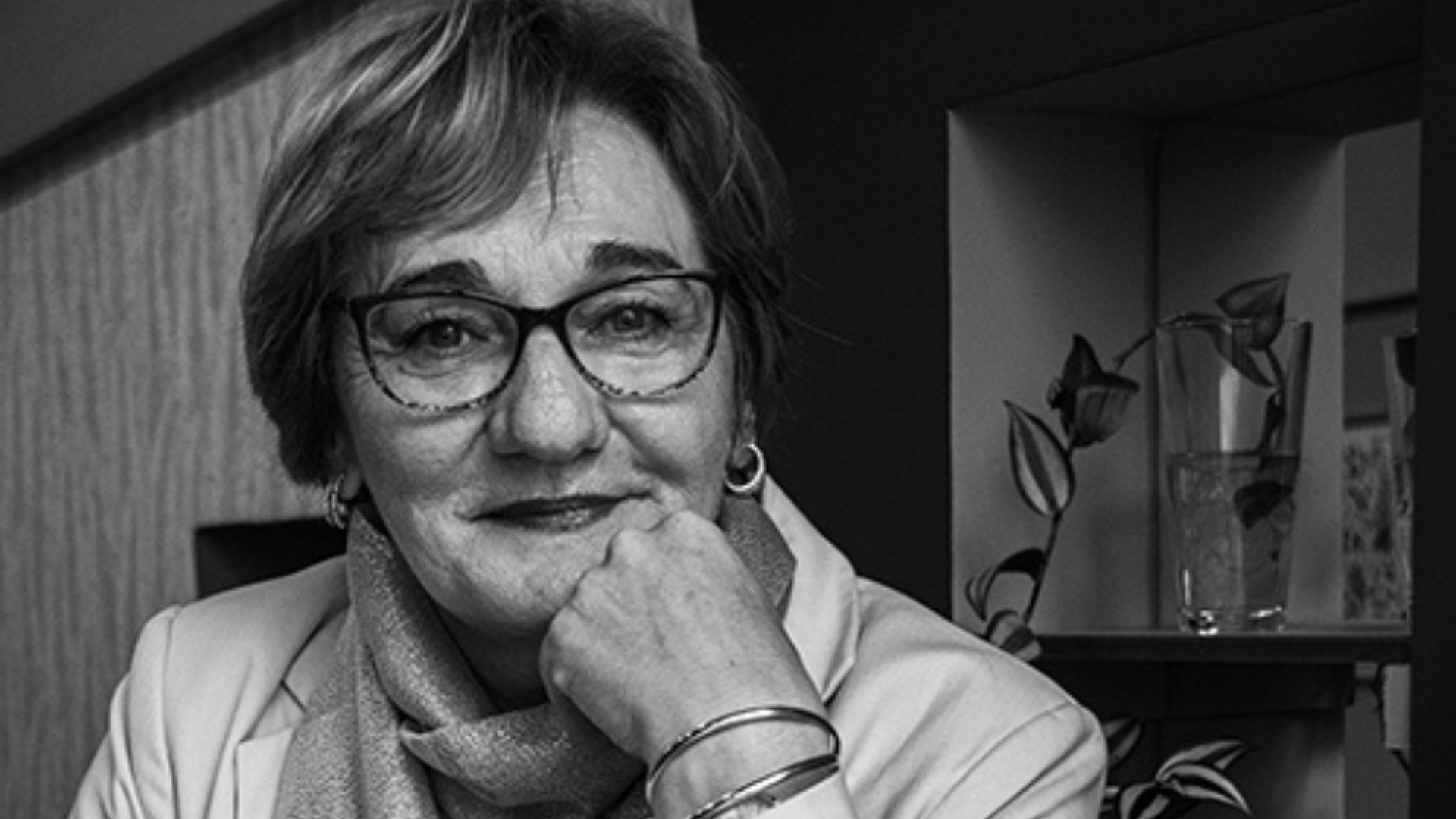
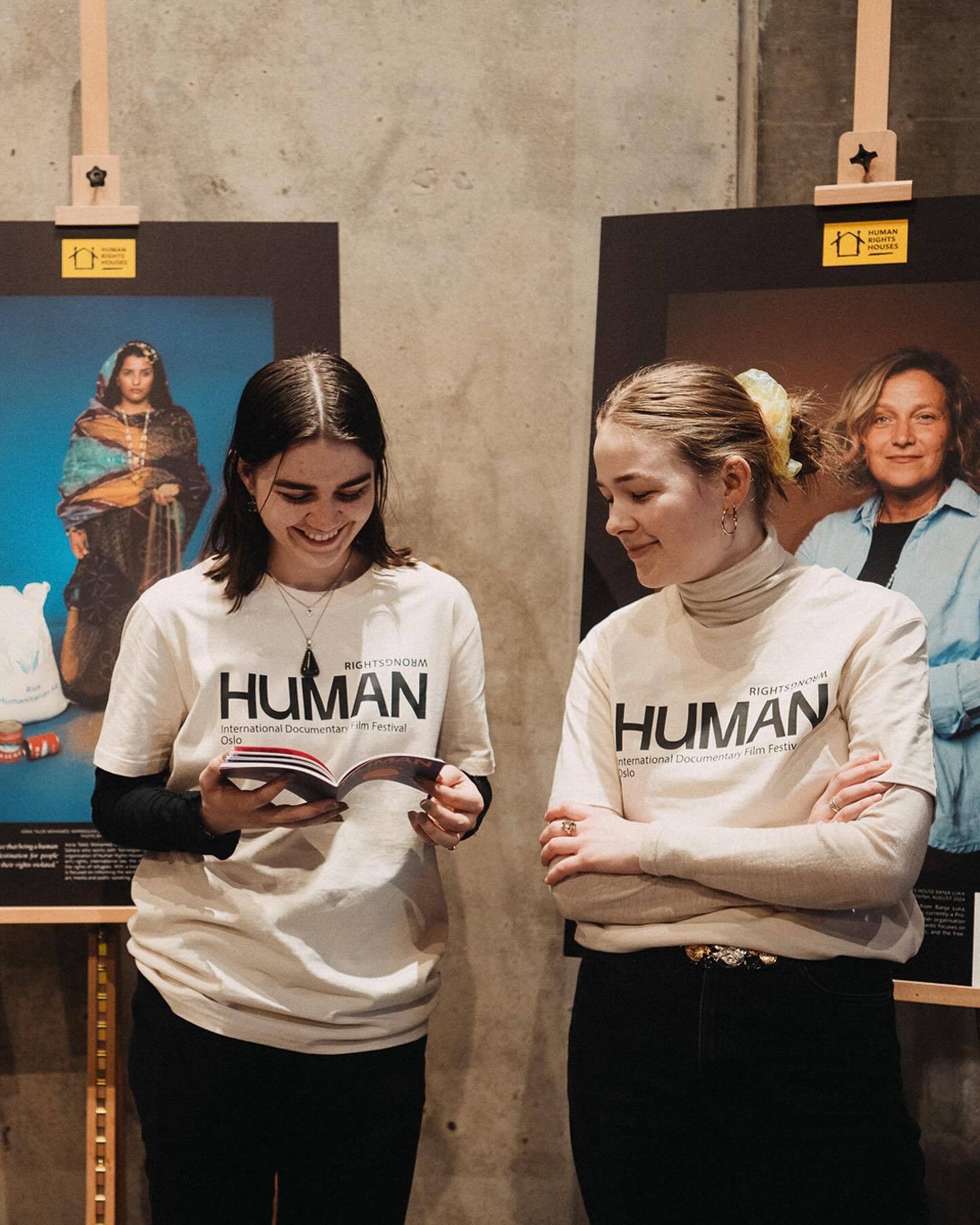
Since its launch in October 2024, the third edition of Portraits of Strength has been exhibited in several countries, including in Bosnia and Herzegovina, Croatia, Norway and Ukraine in 2025.
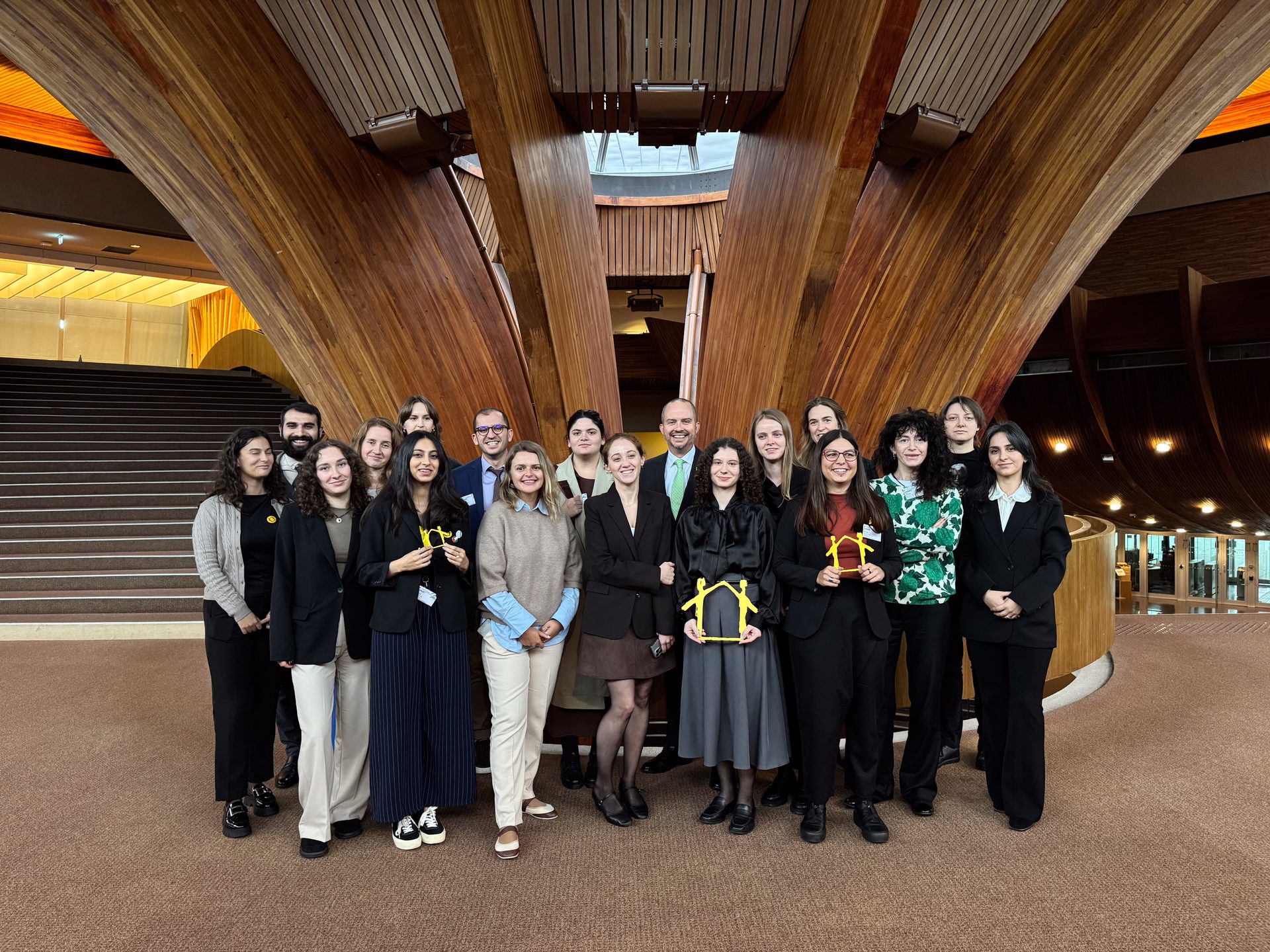
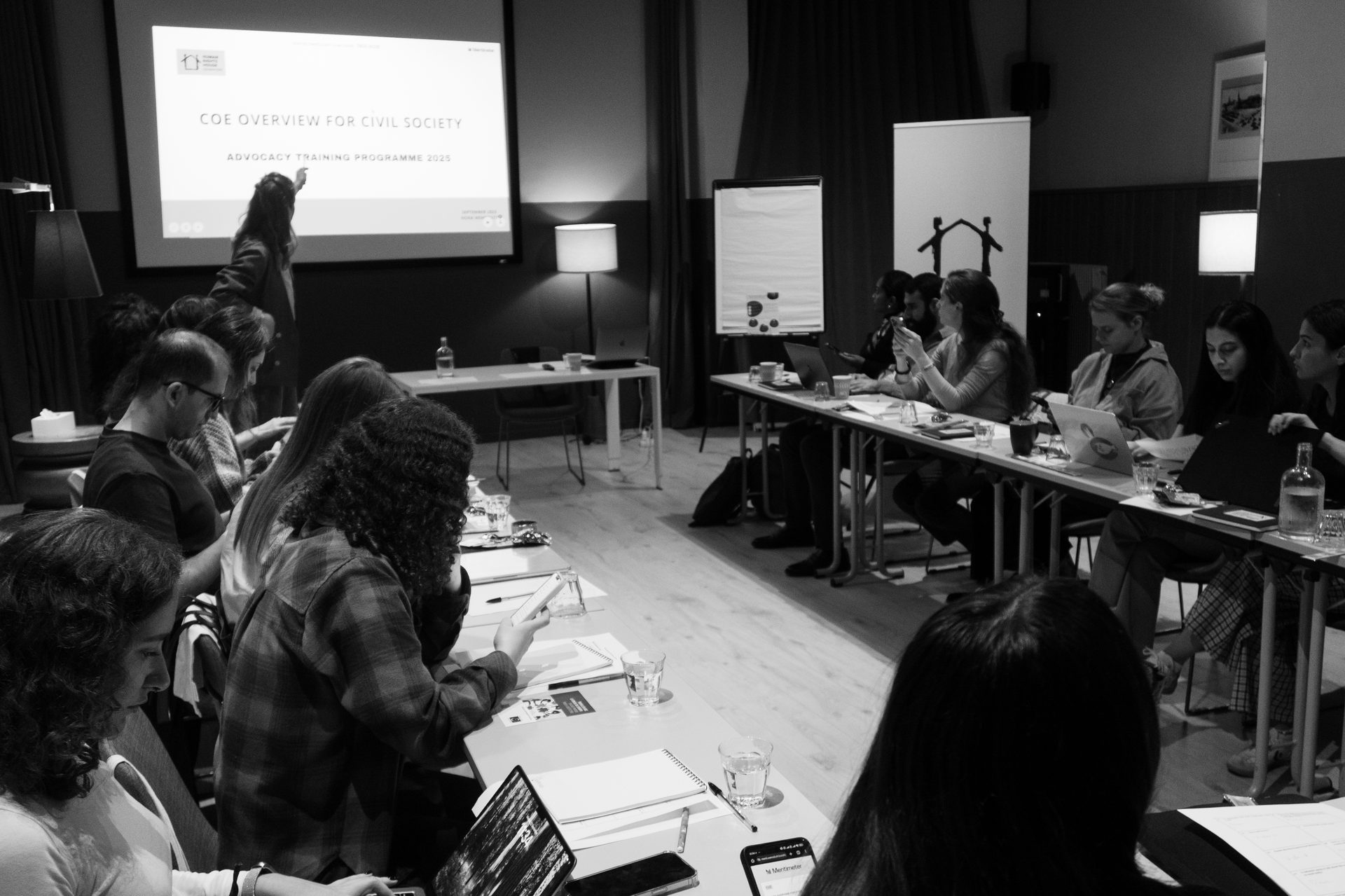
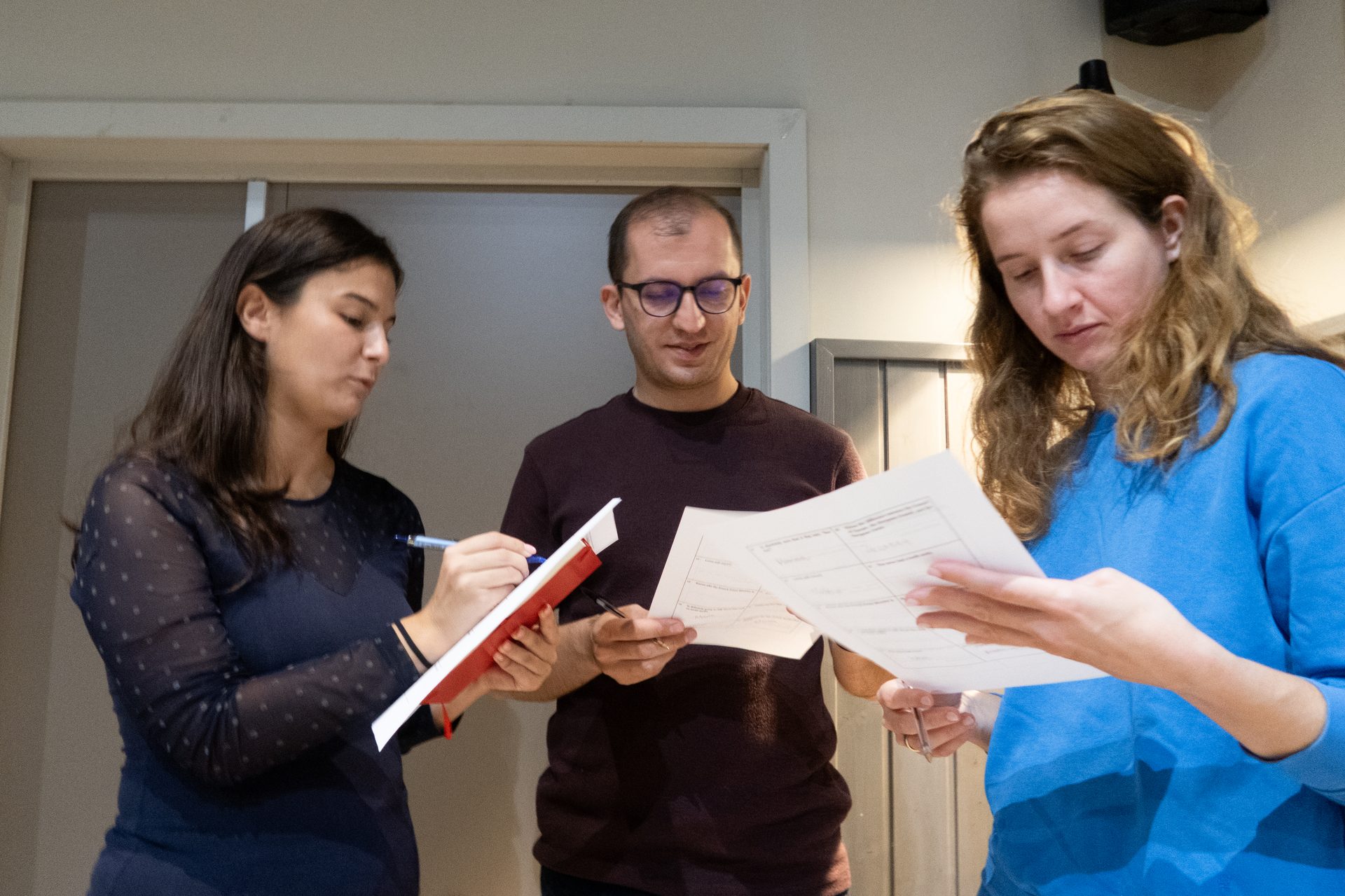
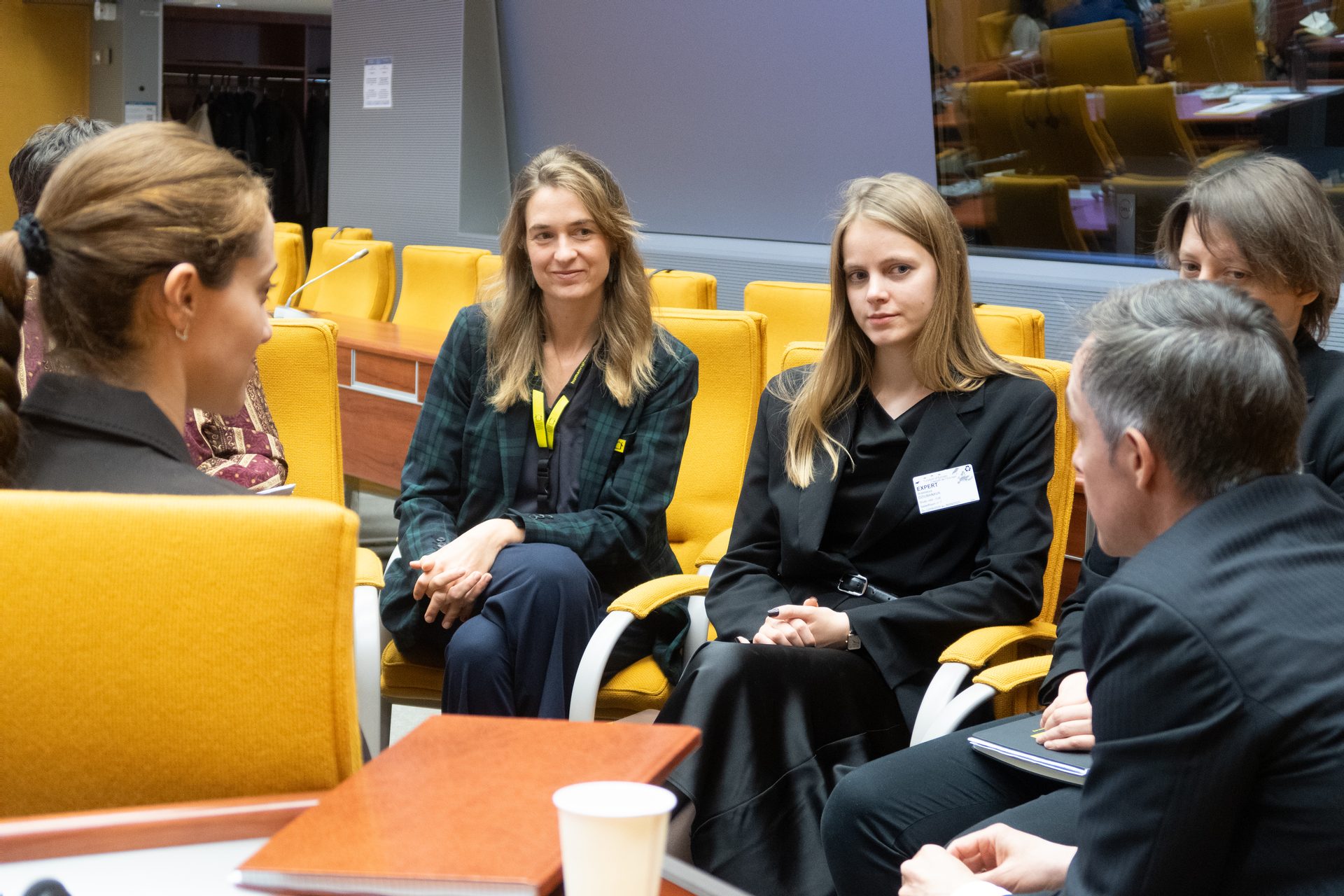
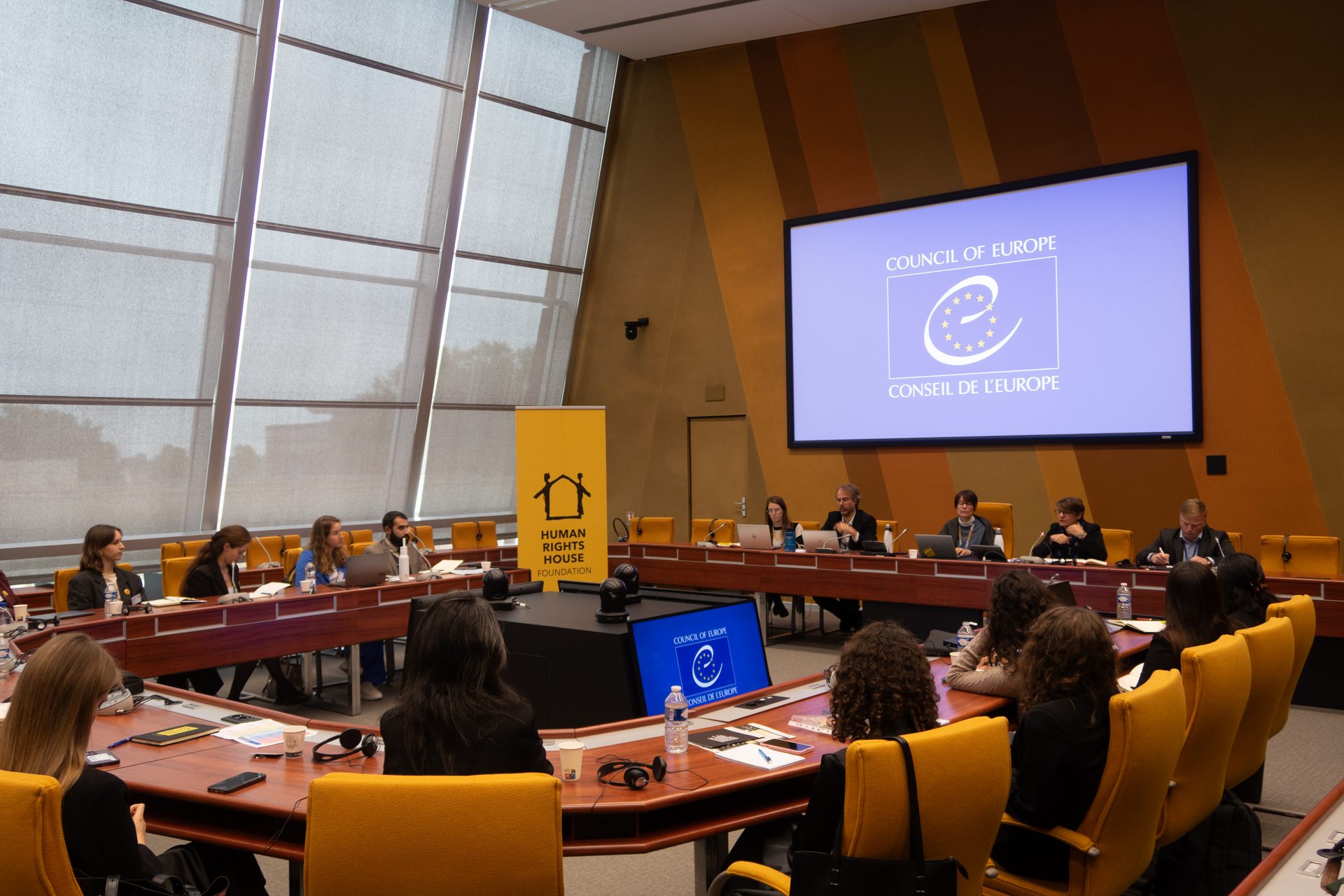
September: Eighteen human rights defenders from ten countries visited Strasbourg as part of HRHF’s Advocacy Training Programme. The six-month programme – of which the Strasbourg visit was the cornerstone – supported human rights defenders from the Network of Human Rights Houses and partner organisations to strengthen their advocacy with the Council of Europe.
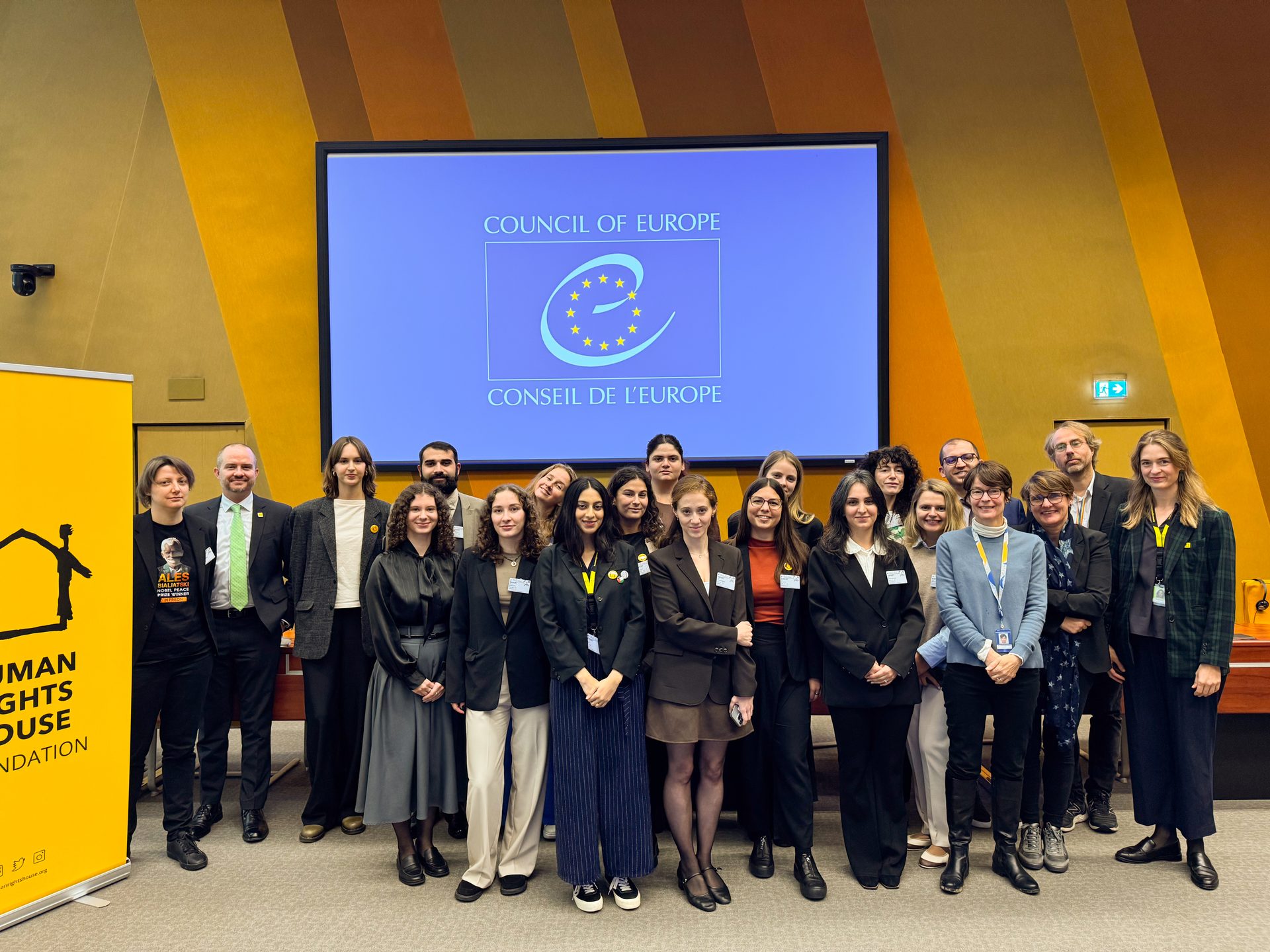
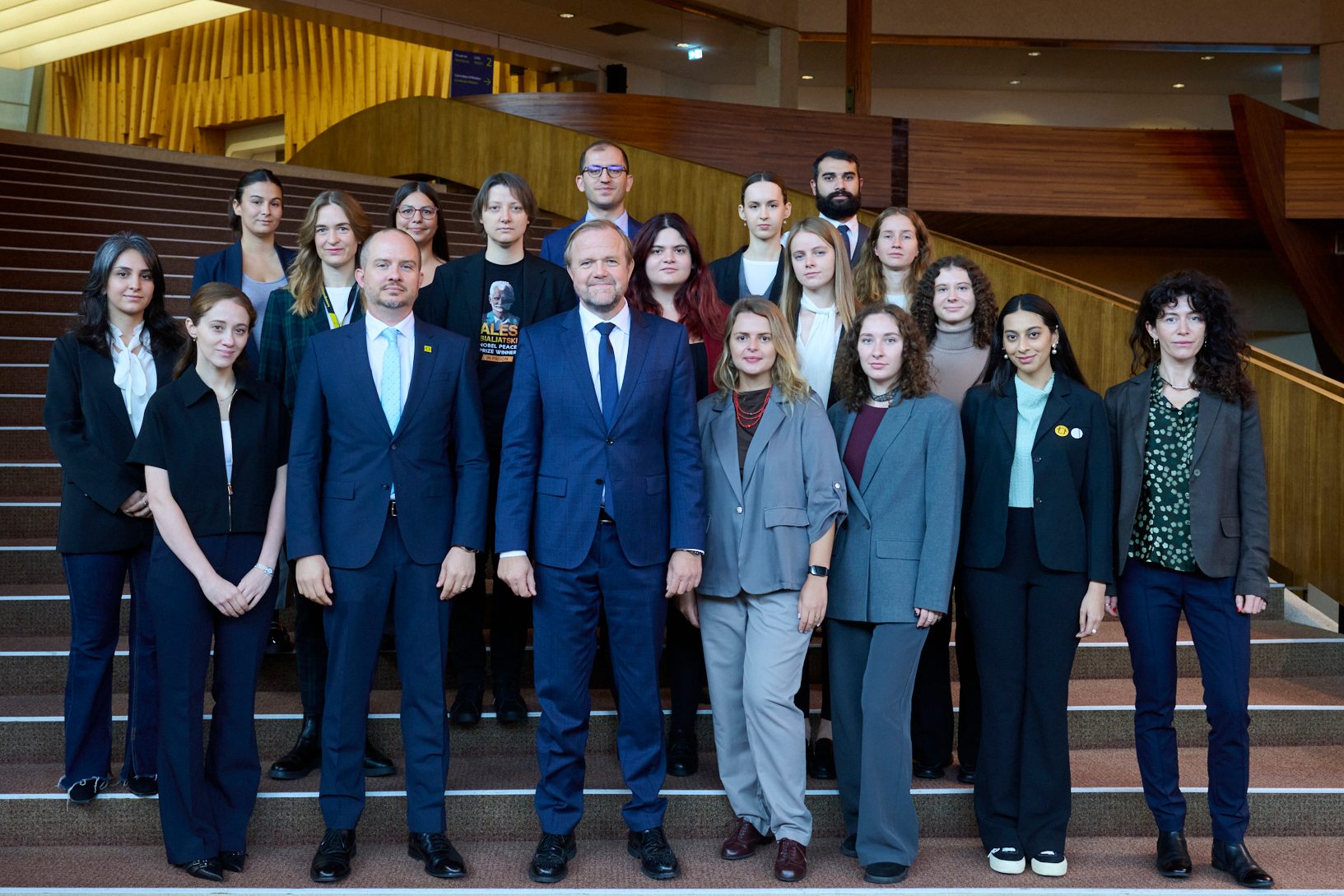
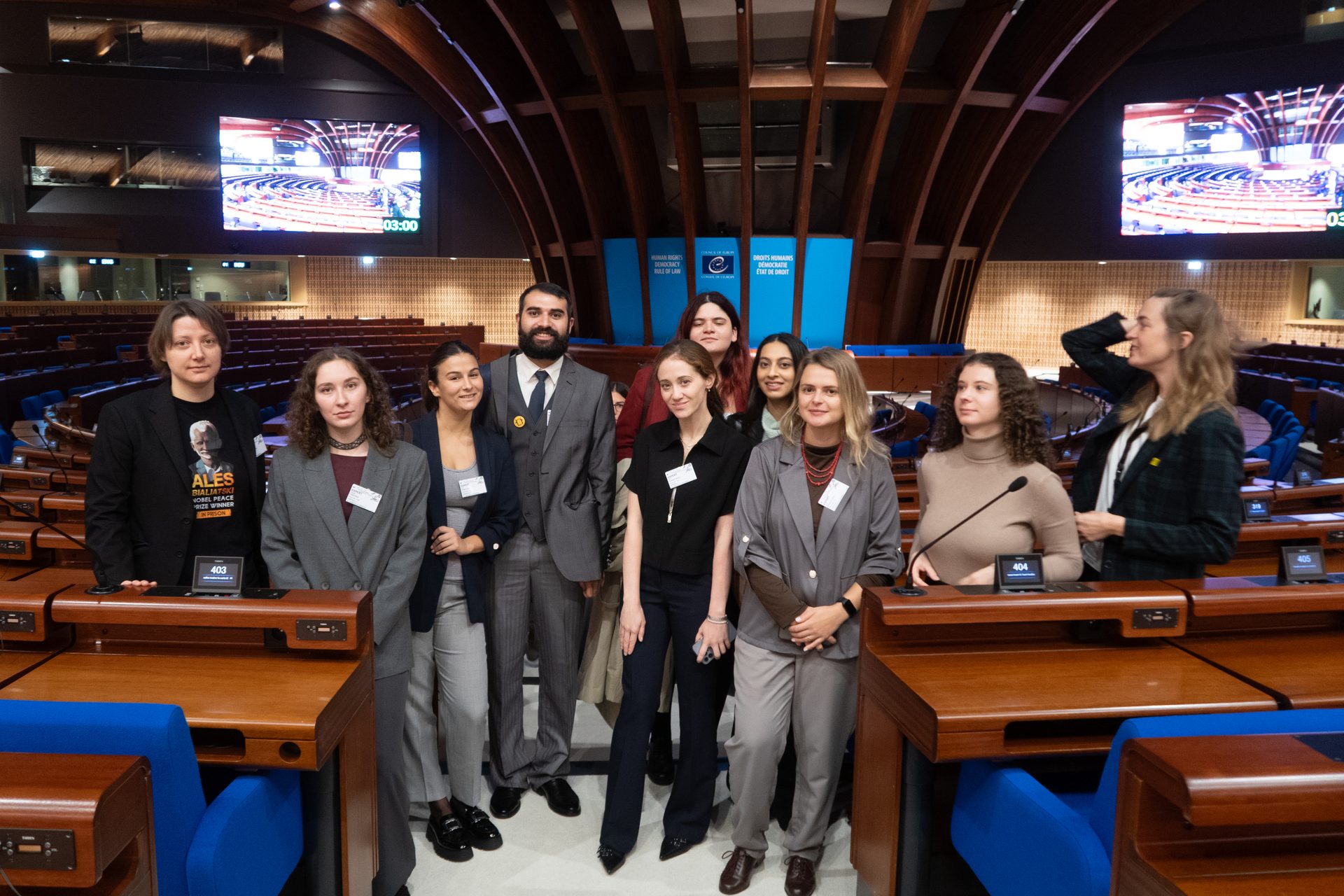
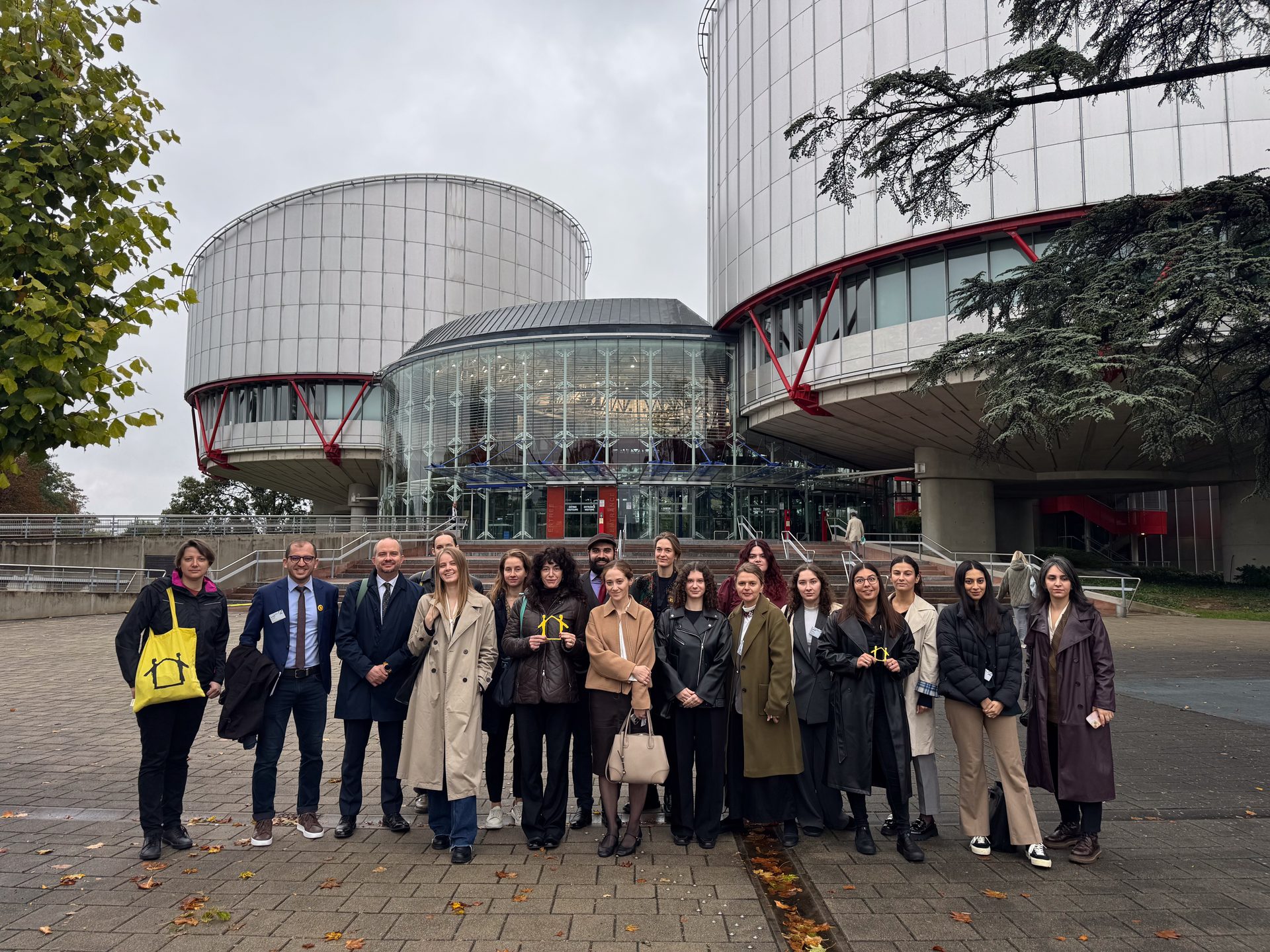
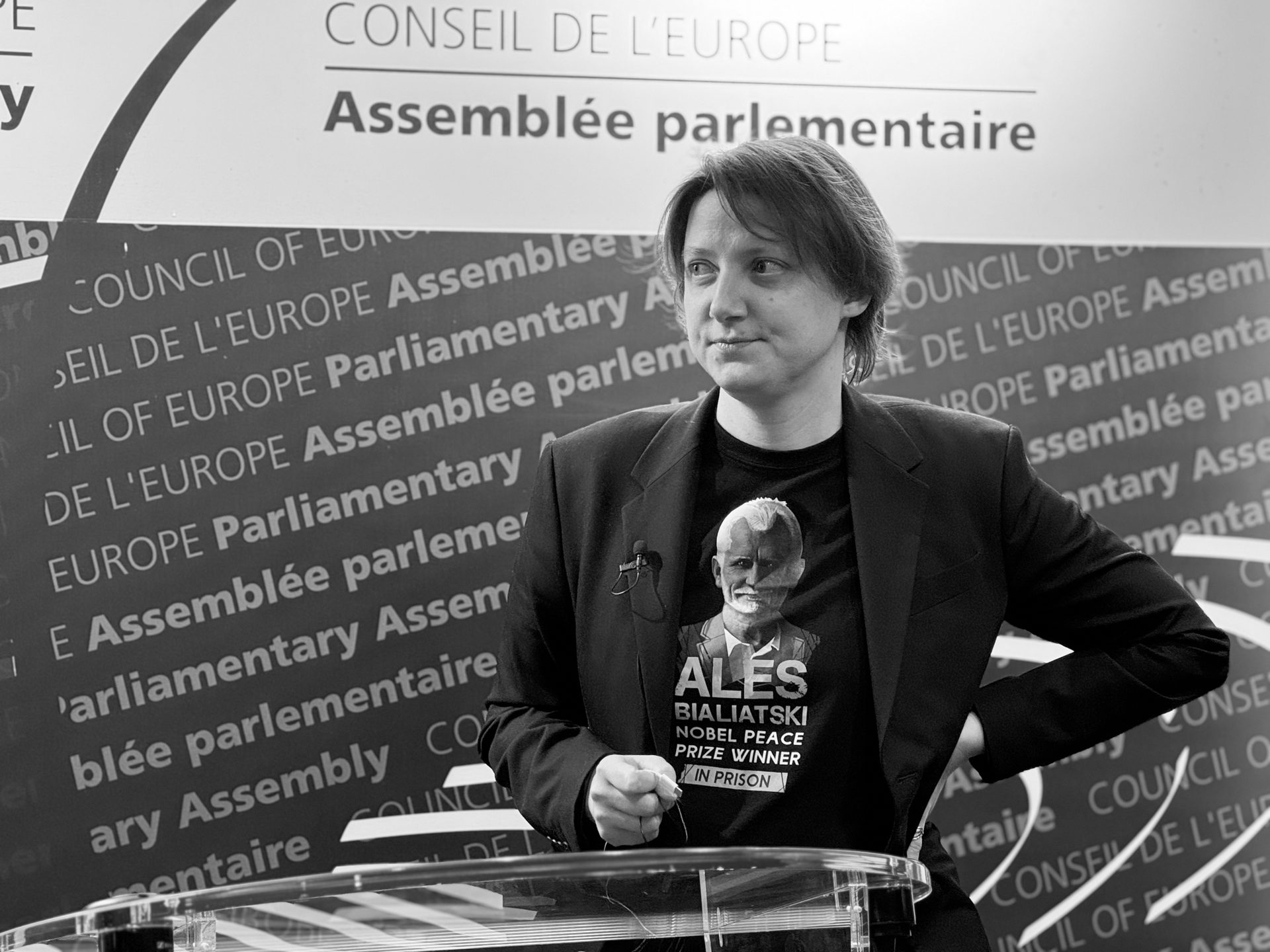


November: HRHF facilitated advocacy activities for Georgian civil society partners around the UPR of Georgia.
February: HRHF supported the advocacy efforts of Armenian partners from Human Rights House Yerevan ahead of the country’s Universal Periodic Review at the UN in Geneva. L-R: Lilit Avetisyan (PINK Armenia), Nvard Margaryan (Human Rights House Yerevan), Anna Hovhannisyan (Women's Resource Centre).
In 2025, HRHF shared this powerful poem on political prisoners in Belarus, written and performed by our colleague Taciana Niadbaj (PEN Belarus), poet, writer and human rights defender. Read and listen to the poem in English and the original in Belarusian.
Since 2023, HRHF has worked alongside several Norwegian NGOs on the “Oslo Breathing Space City” initiative for HRDs at risk. From April–June, the Breathing Space City programme hosted Ekaterine Aghdgomelashvili (LGBTQI+ and women’s rights defender from Georgia) and Davut Arslan (human rights lawyer from Türkiye), offering rest, support, and networking through cultural, psychosocial, and outdoor activities in Oslo.
December: Human Rights House Banja Luka presented their national report on human rights defenders in Bosnia & Herzegovina as part of events celebrating Human Rights Day.
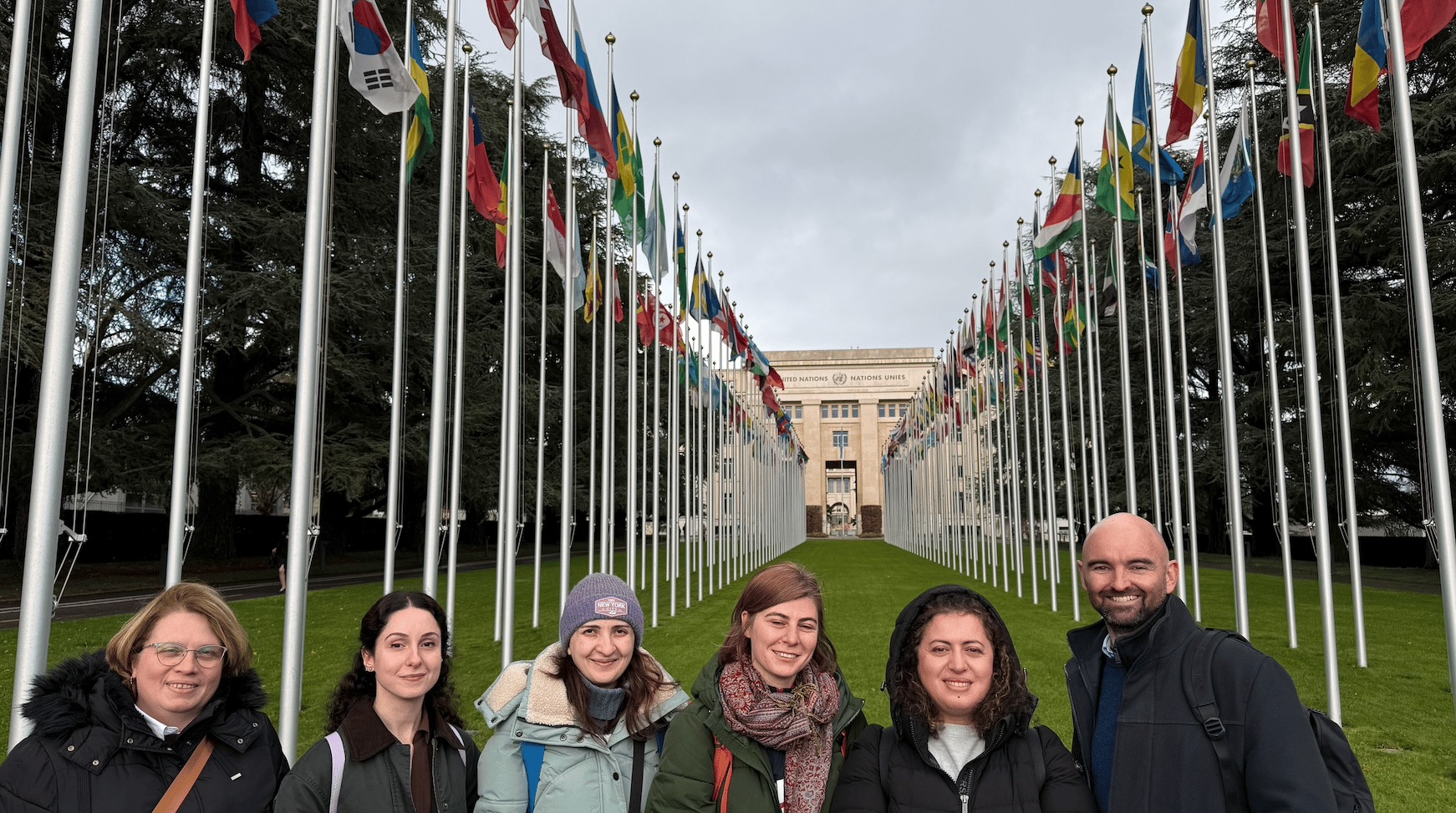
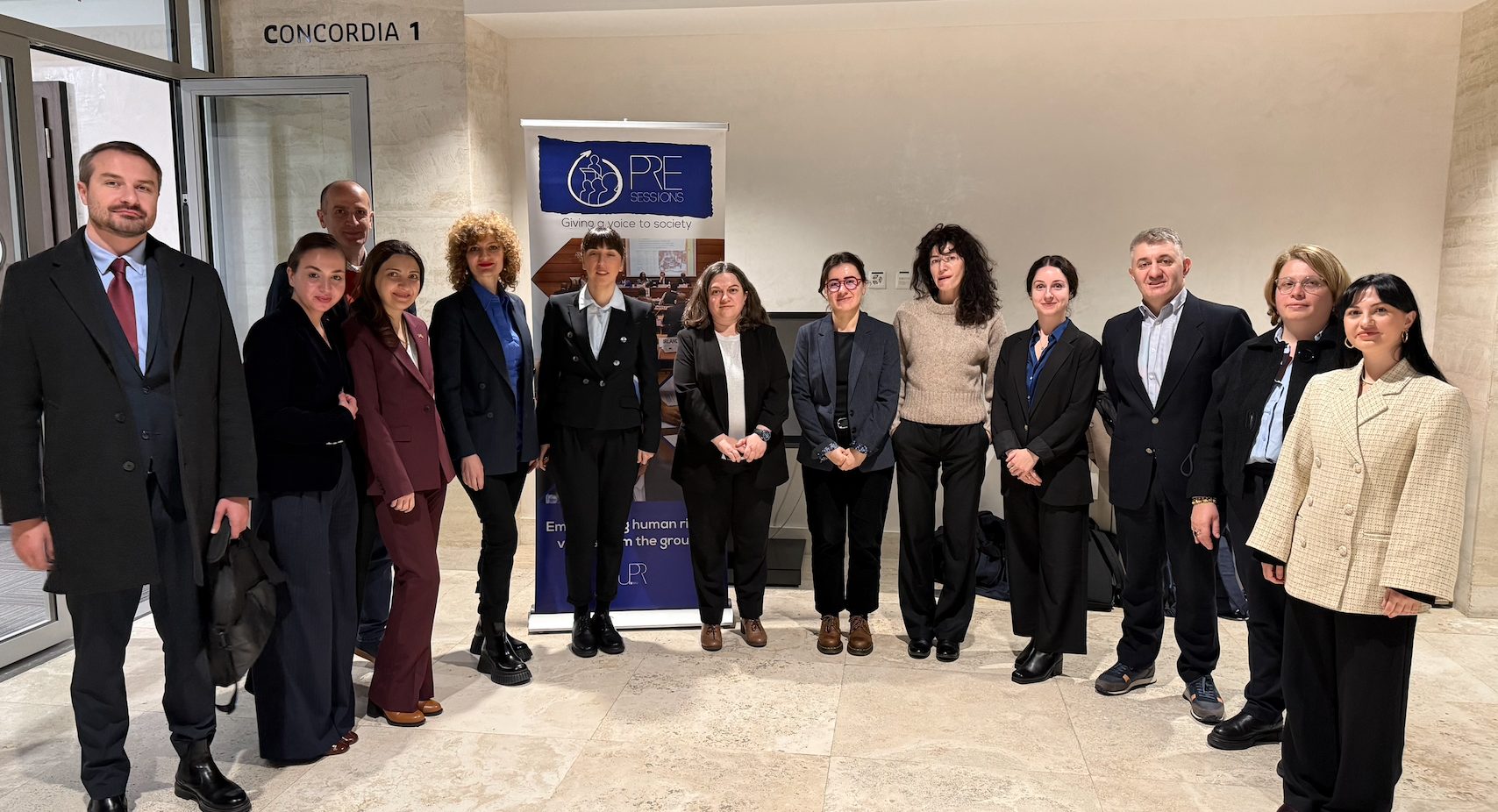
In 2025, HRHF led a nine-month capacity-building programme for Belarusian civil society for effective engagement in the UPR process at the United Nations. The programme culminated in a two-day advocacy trip to Geneva to engage in the pre-UPR session.
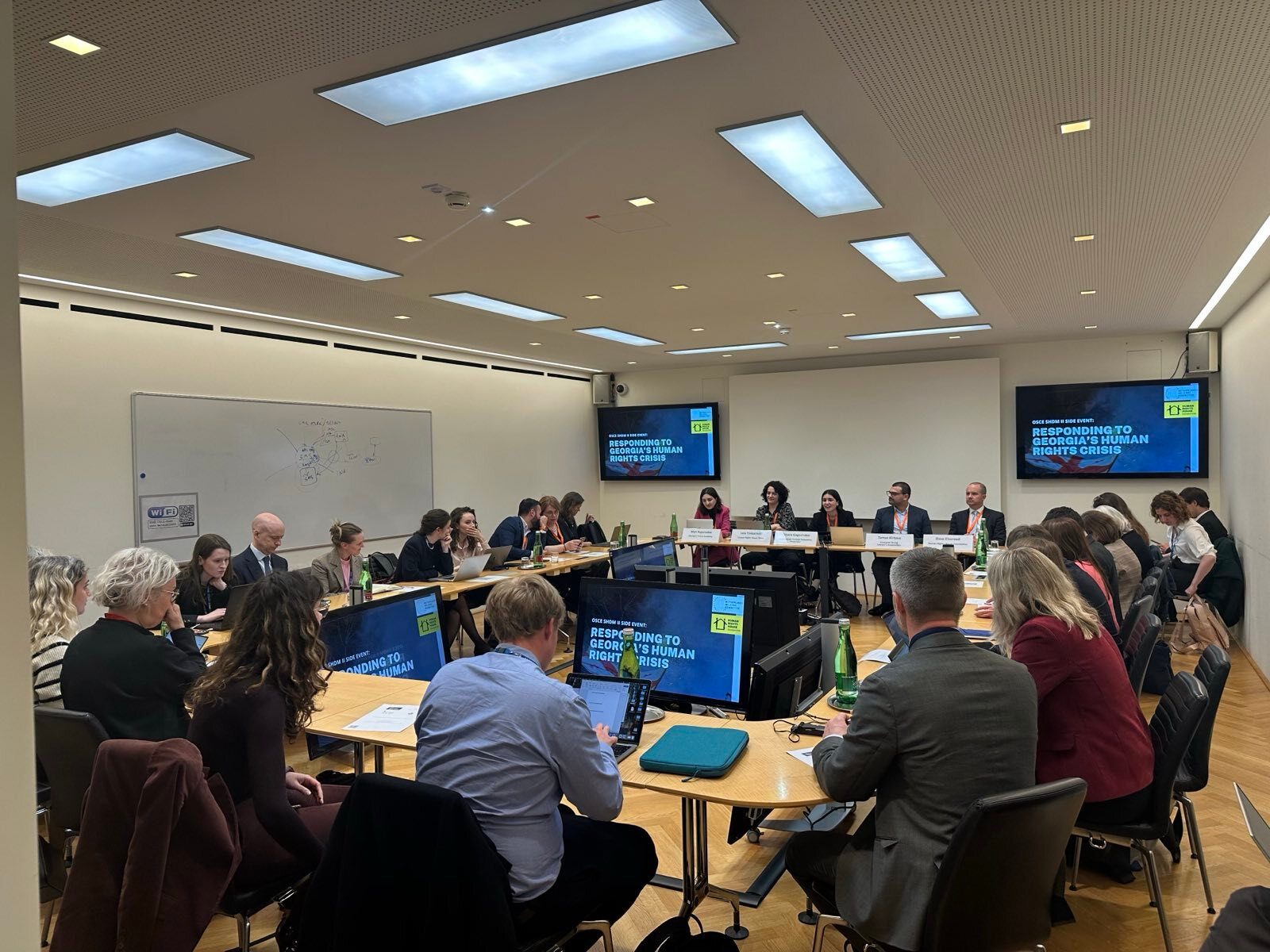
HRHF's Dave Elseroad and partners at the second OSCE Supplementary Human Dimension (SHDM) Meeting in Vienna advocating with States on key human rights priorities.
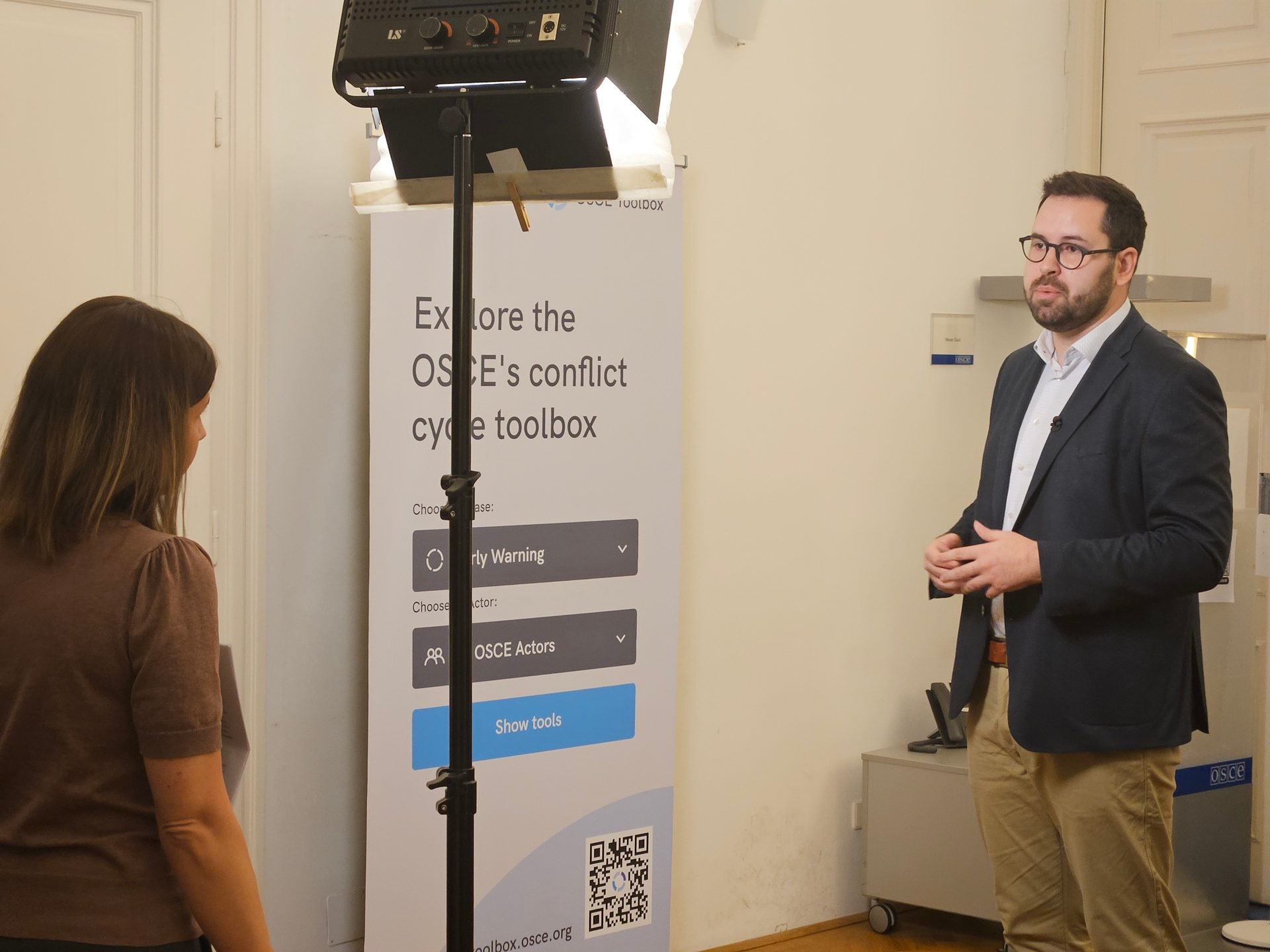
Working with the media remains a key strategy for advancing human rights advocacy objectives. Throughout the year, HRHF sought to arrange media interviews and other engagements for HRDs from the Network.
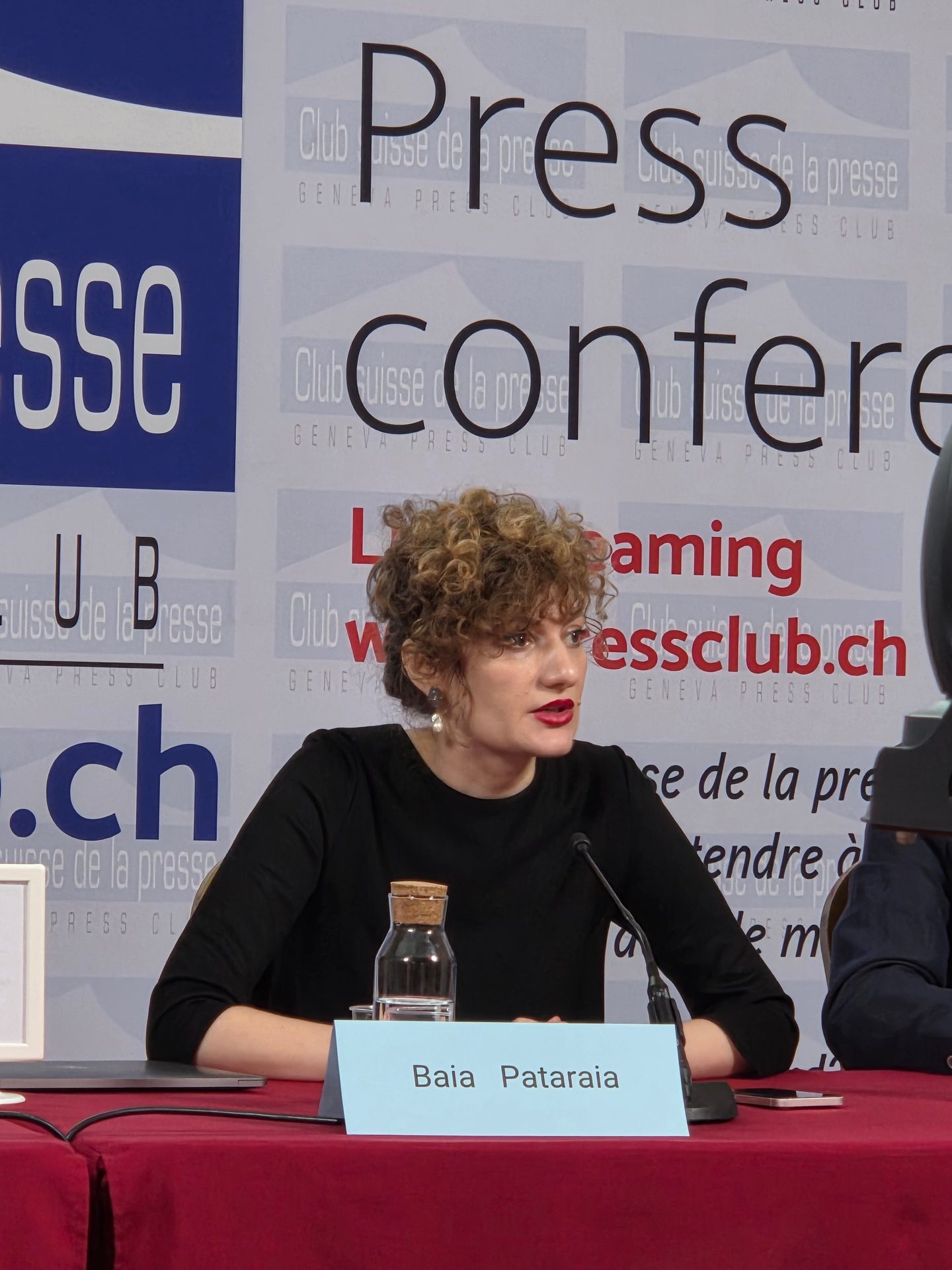
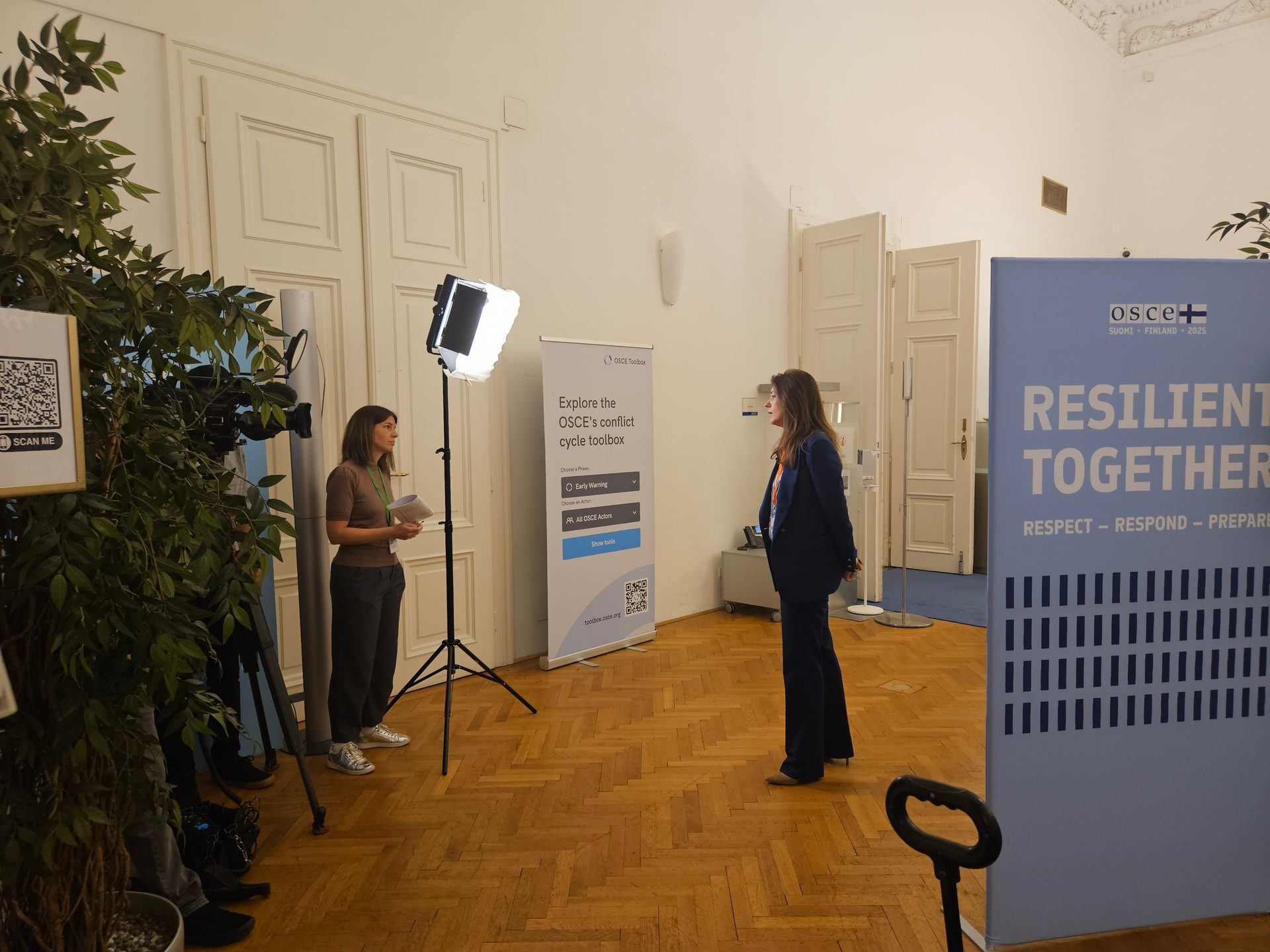
In 2025, HRHF and the Network of Human Rights Houses continued to call for the release of Network colleagues behind bars at various events, and in our advocacy. In 2025, we welcomed the release of Andrei Chapiuk, Ales Bialiatski, and Uladzimir Labkovich in Belarus, and we welcomed the release of Marfa Rabkova, Valiantsin Stefanovic, and Nasta Loika in March 2026. We continue to call for the release of Anar Mammadli, Ulviyya Ali, Andrei Aliaksandrau, and all political prisoners in the countries where we operate.
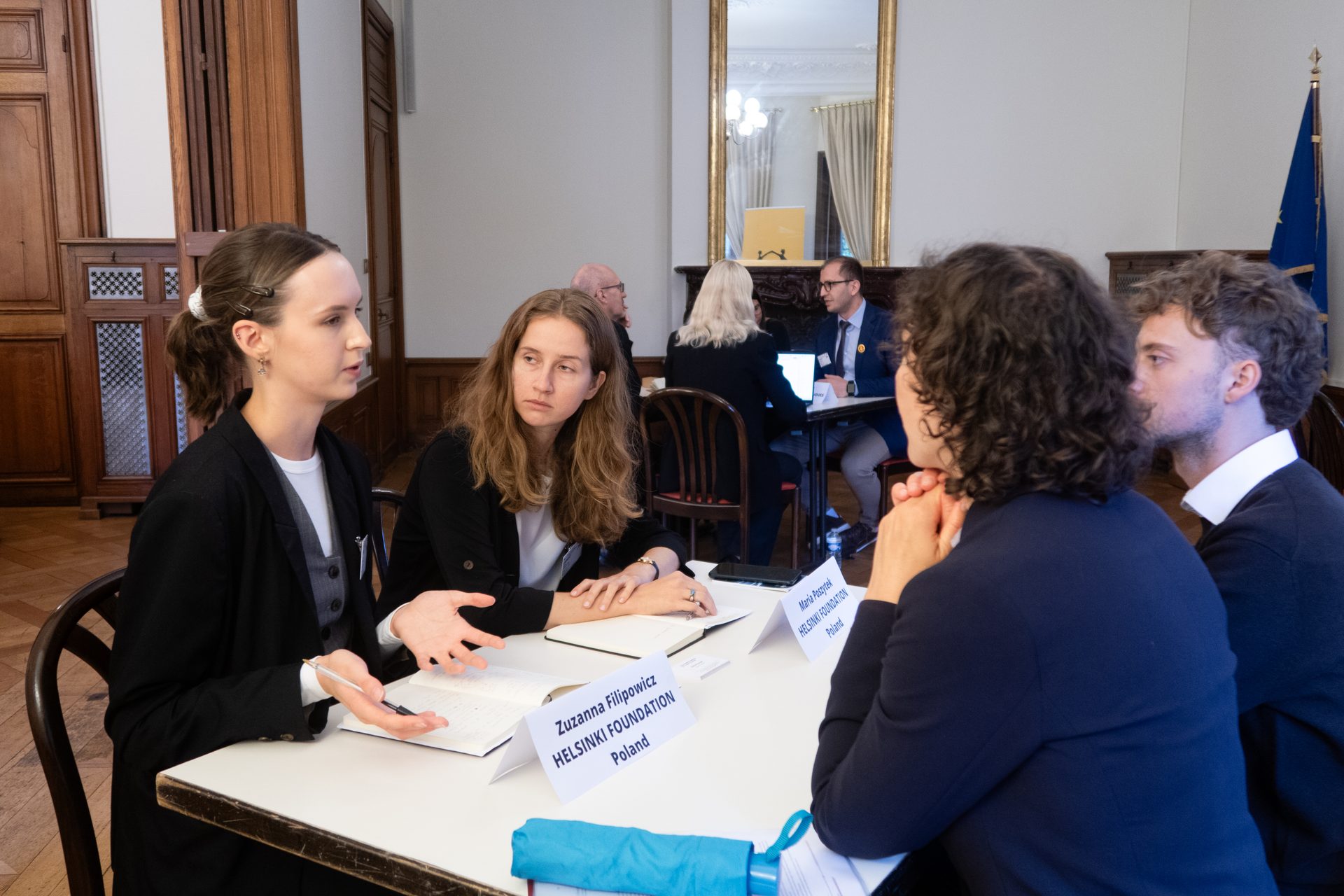
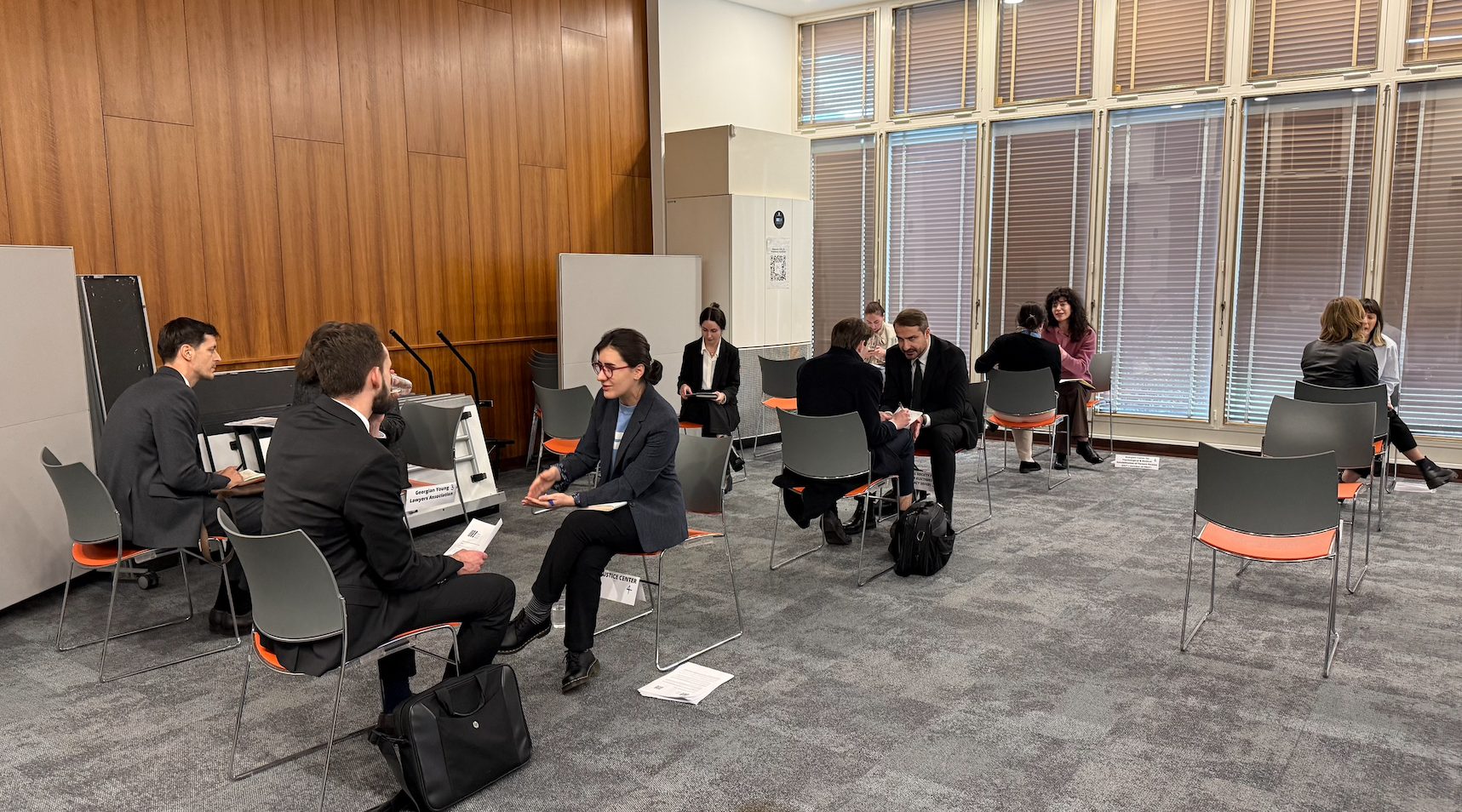
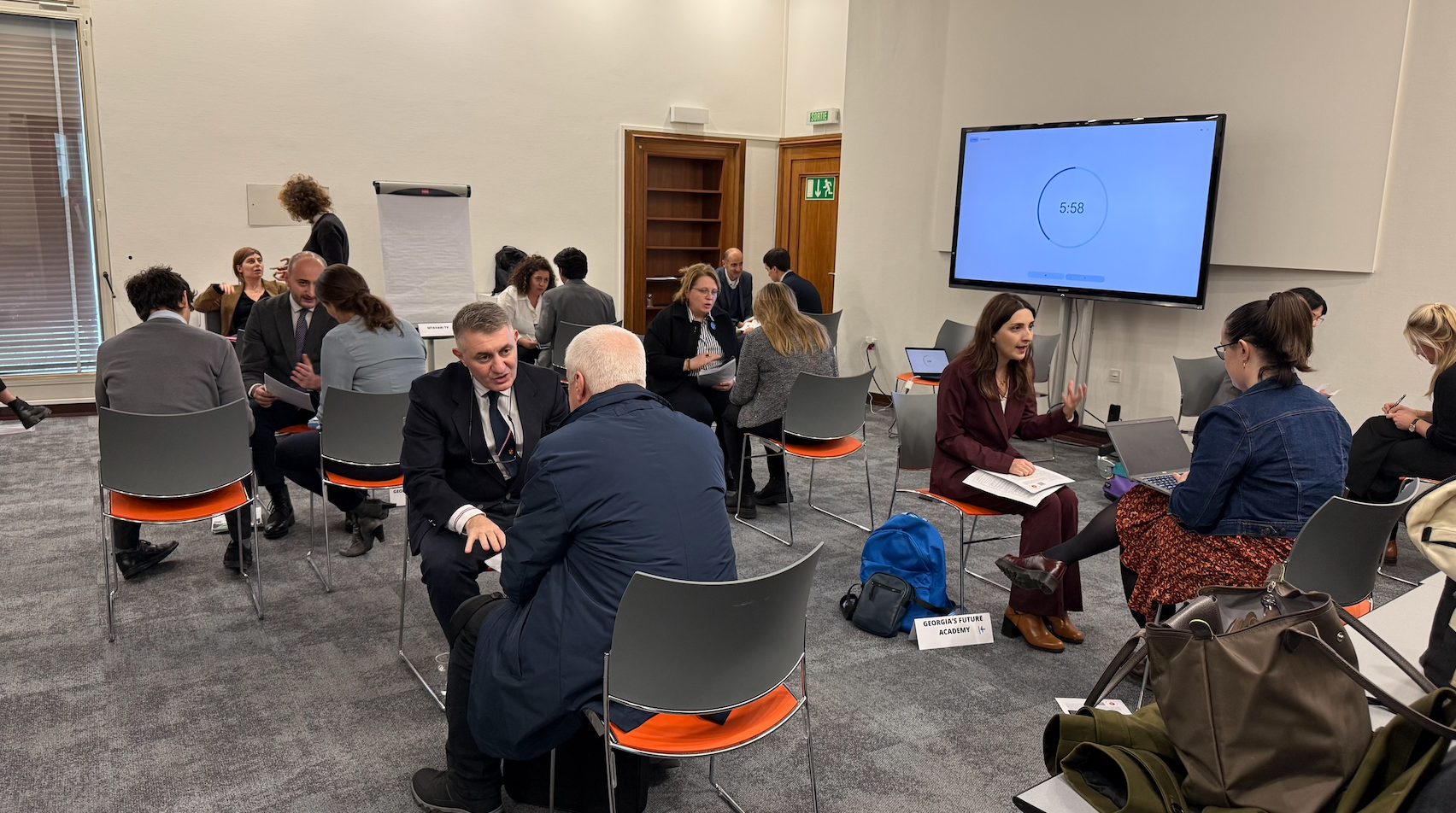
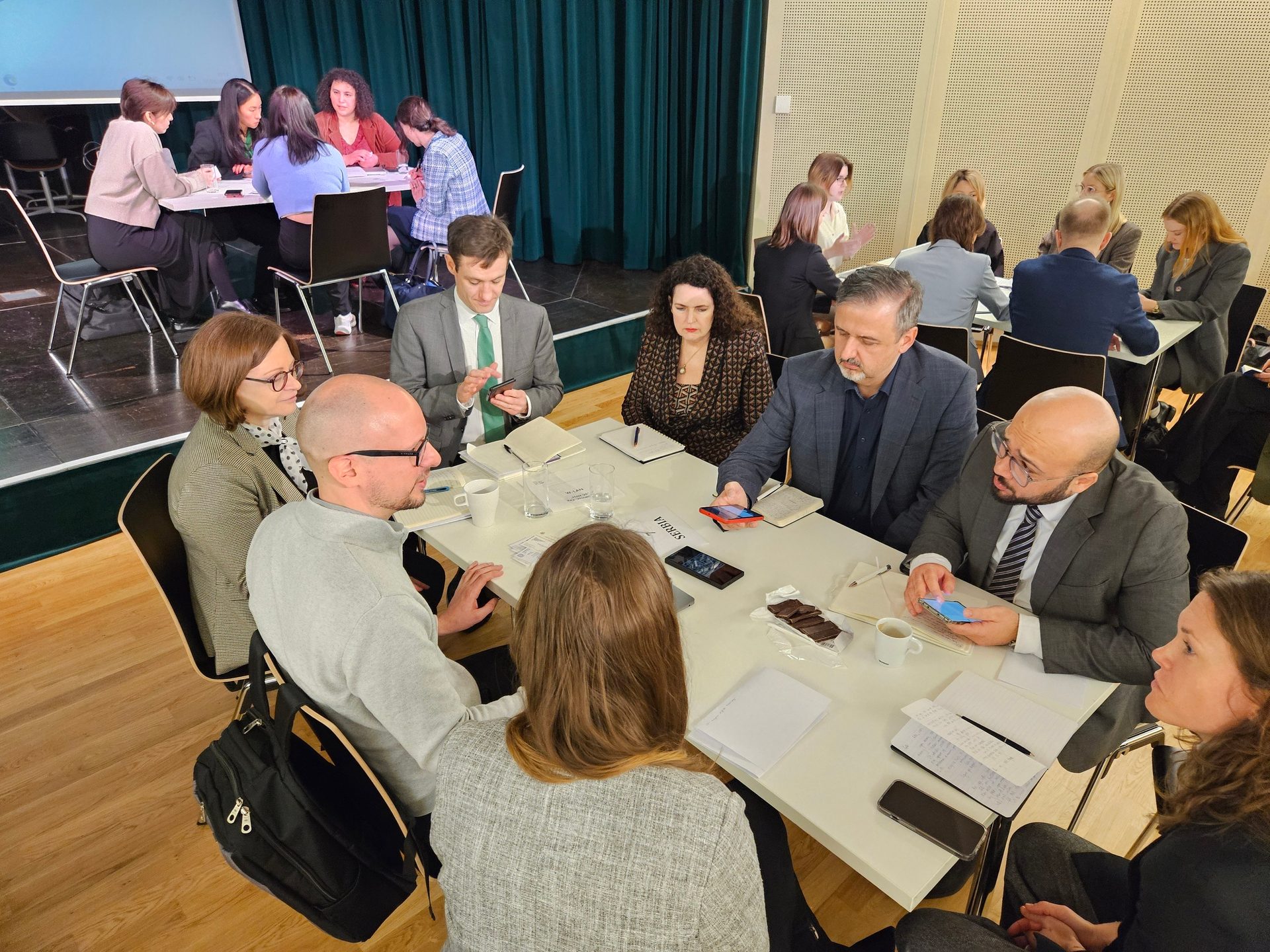
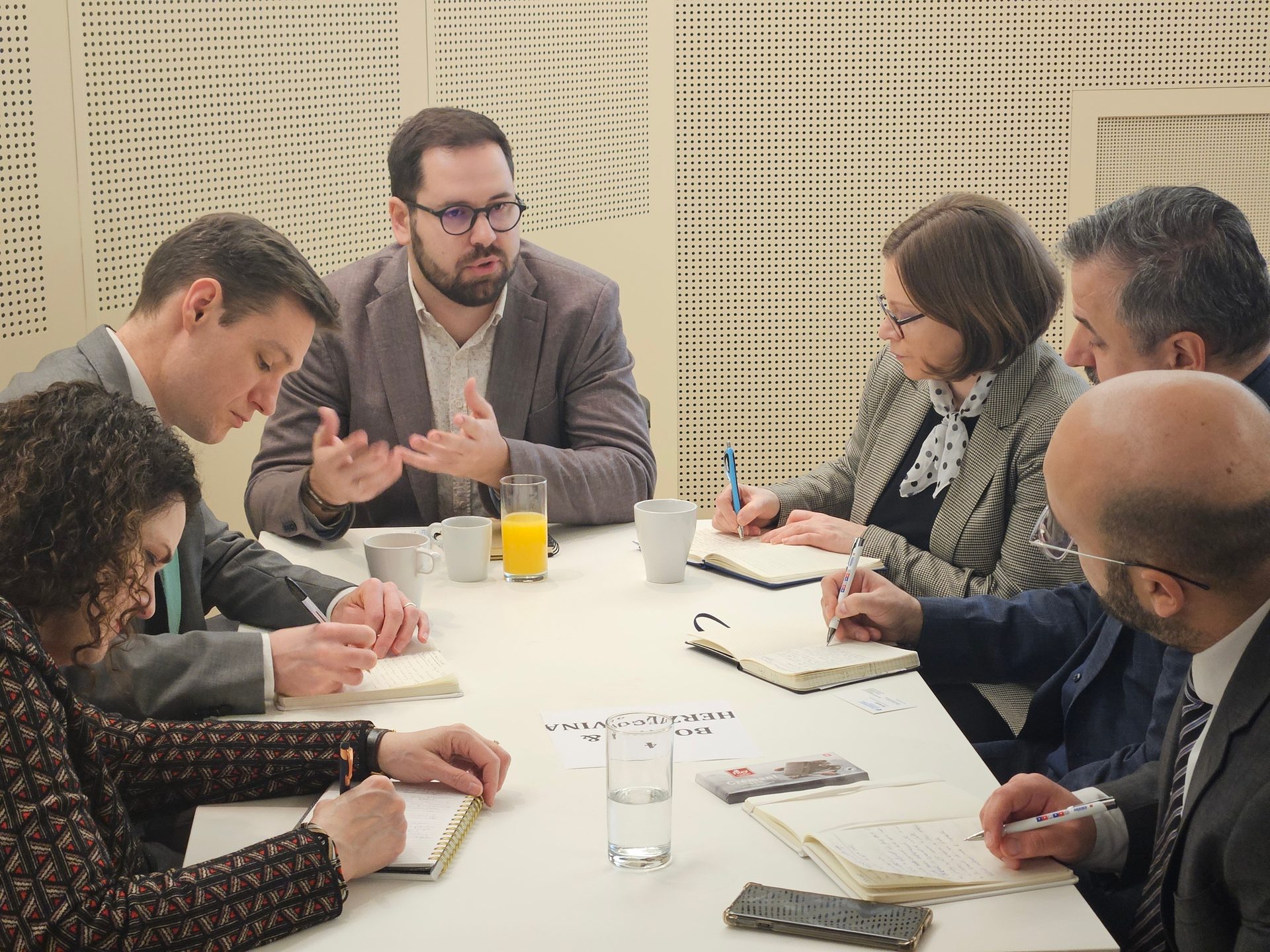
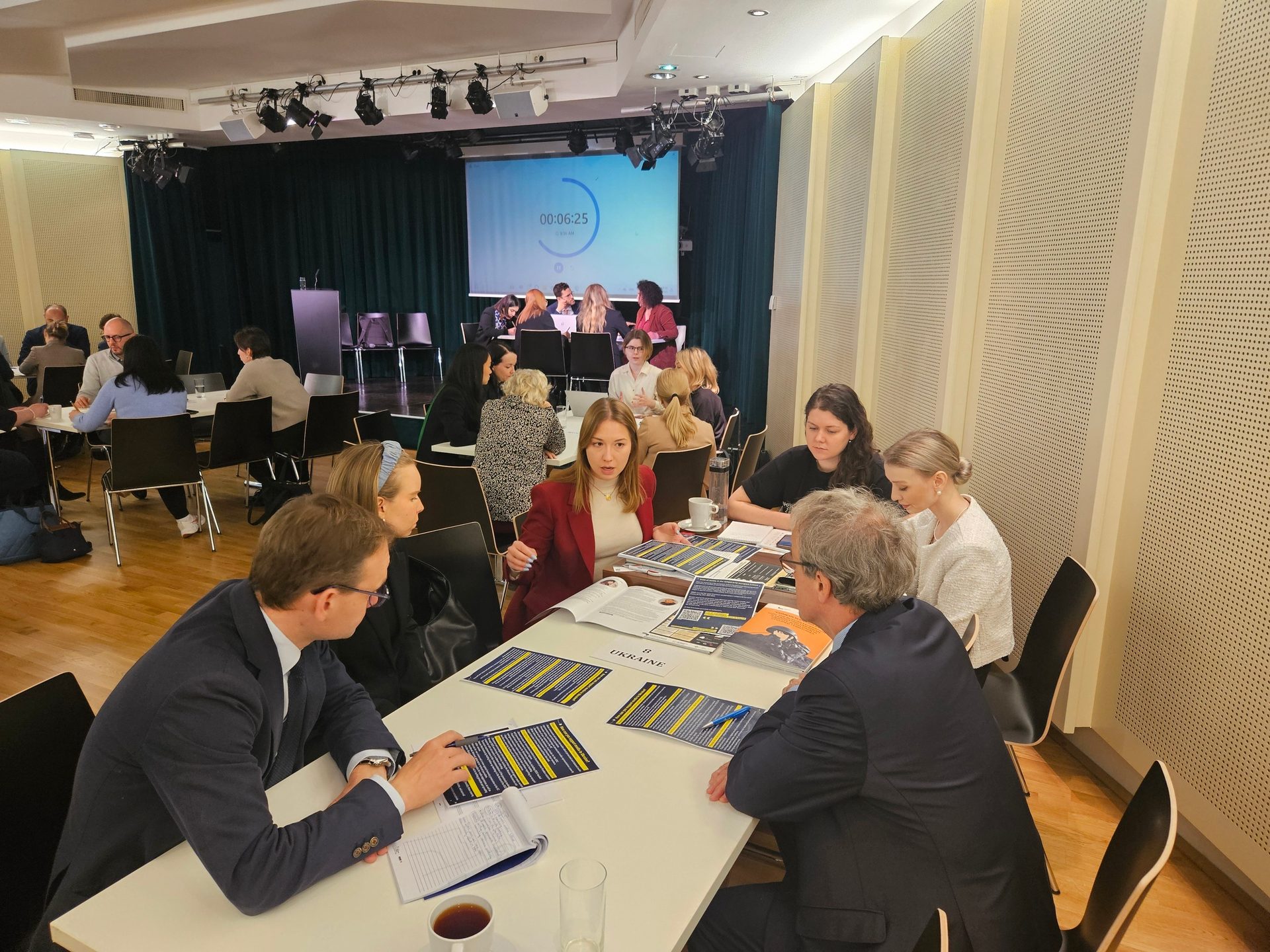
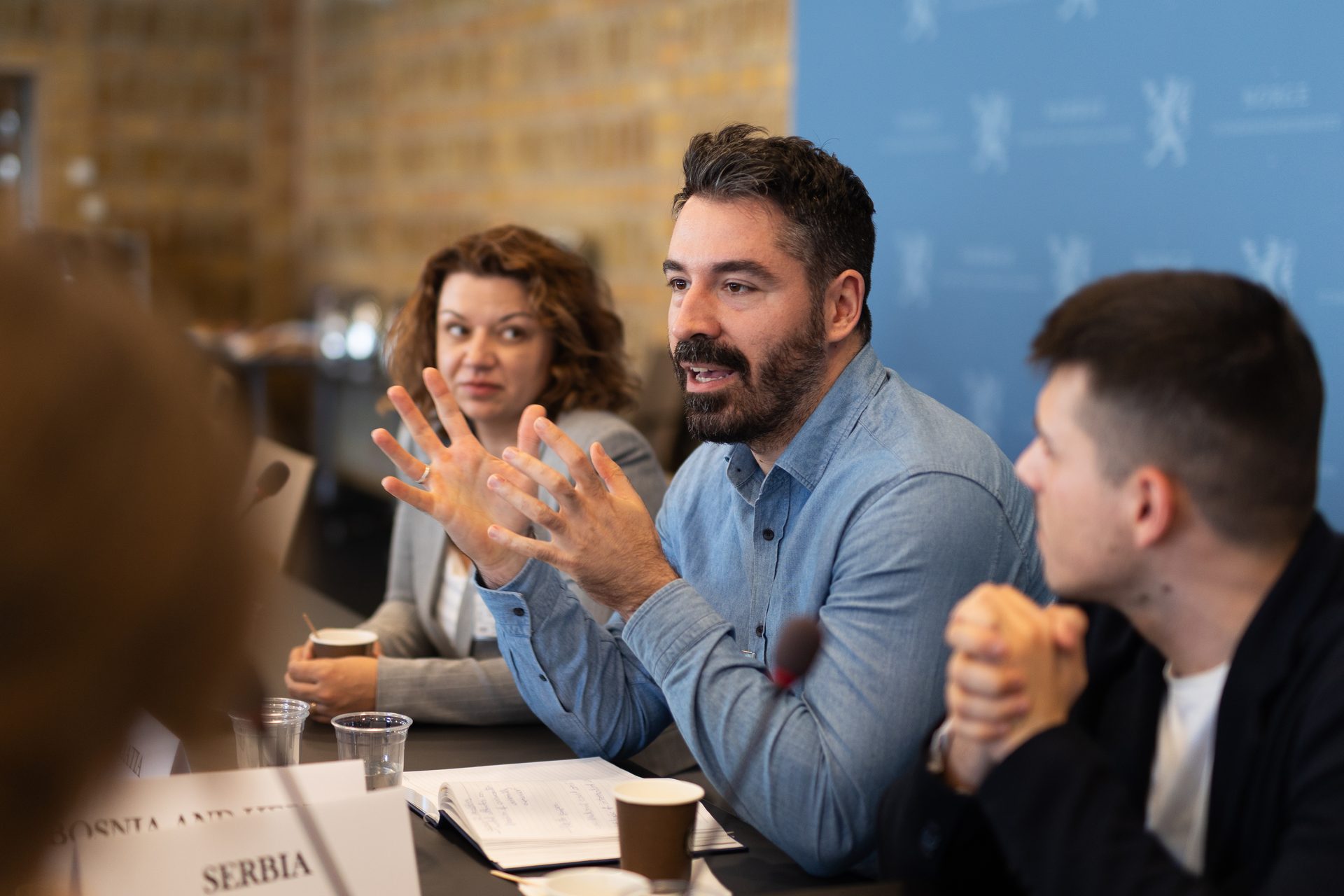
March: HRHF and the Netherlands Helsinki Committee organised a pre-Event ahead of the OSCE’s first Supplementary Human Dimension Meeting (SHDM) in Vienna. “A Human Rights Tour of the OSCE Region” featured human rights defenders from across the Network of Human Rights Houses and beyond. HRDs met with policymakers in a “speed-dating” format to share first-hand insights on rising repression and provide recommendations to states.
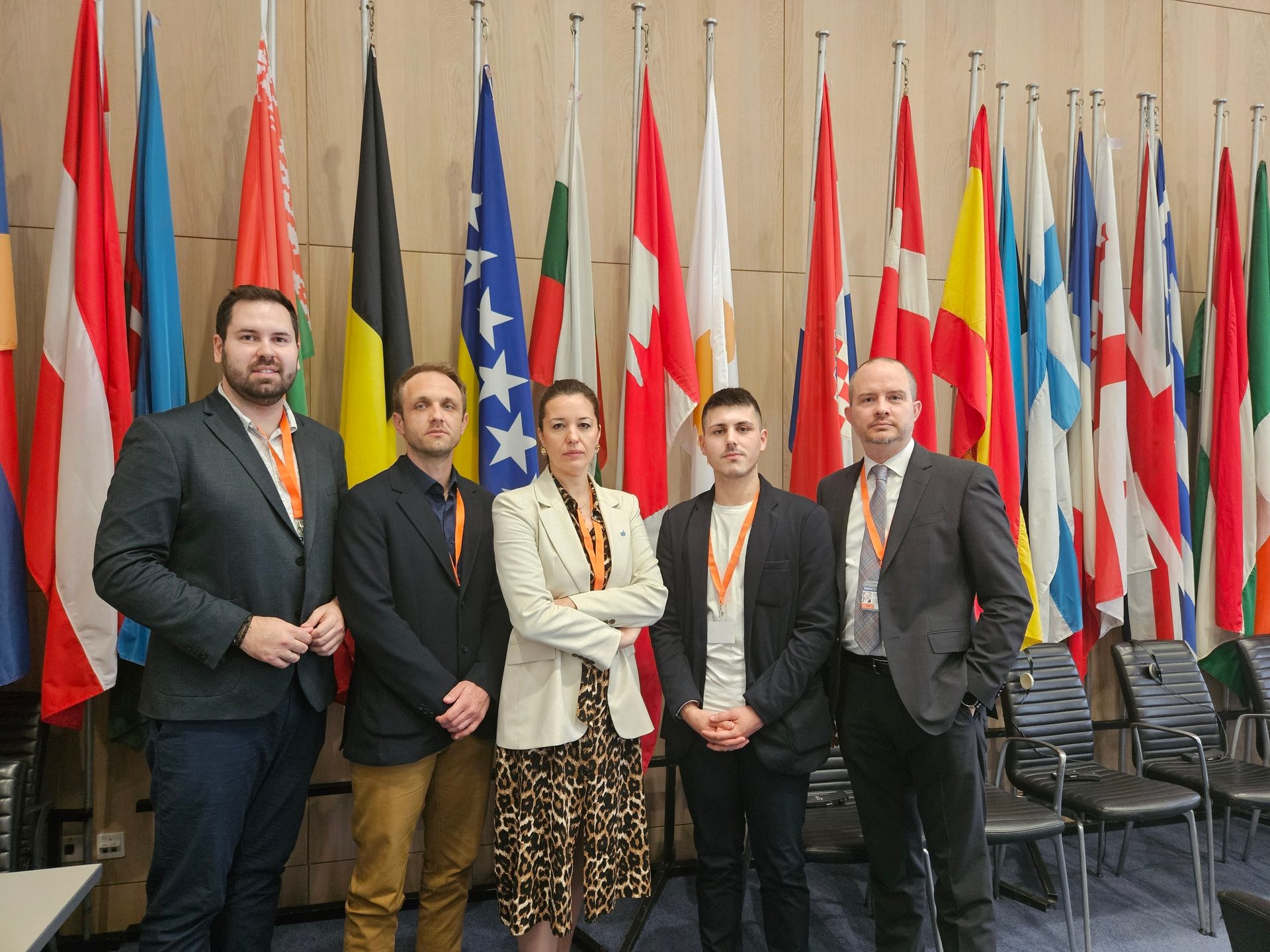
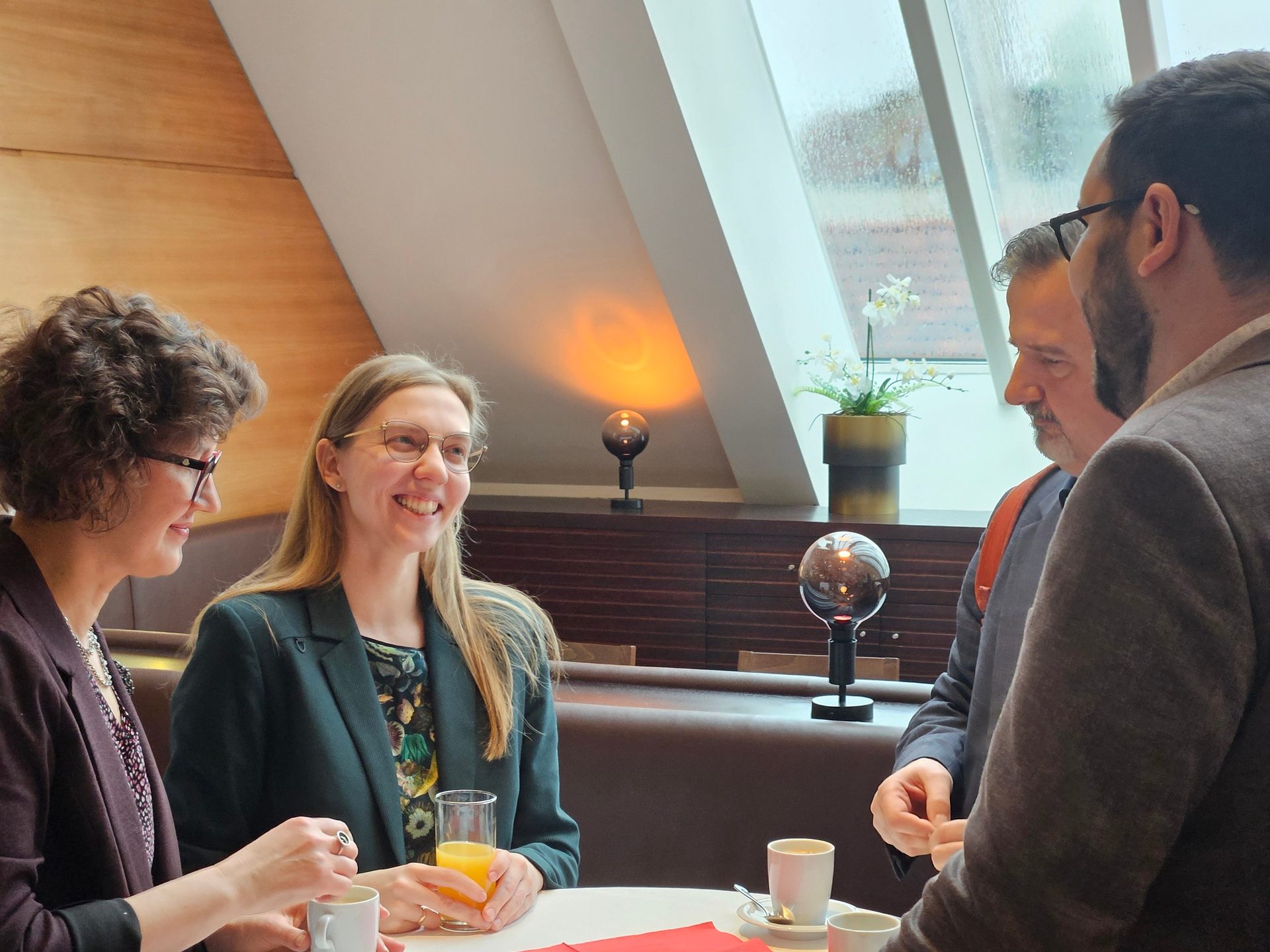
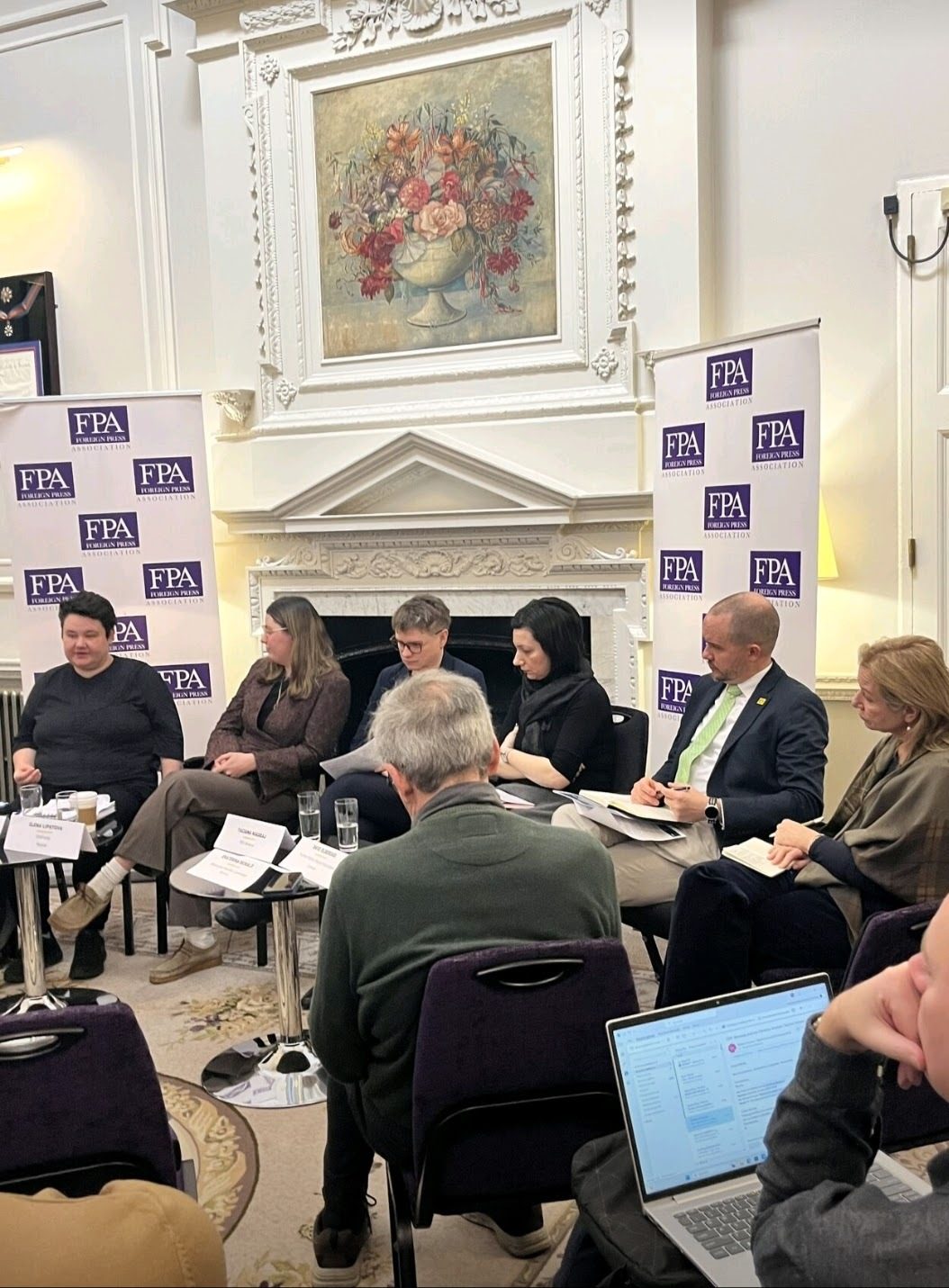
March: HRHF, Index on Censorship and the International Bar Association Human Rights Institute organised an event at the UK Parliament featuring civil society from Belarus and Russia. The event focused on repression in both countries, impact on regional security, and where the UK can strengthen its role in promoting accountability and supporting civil society.
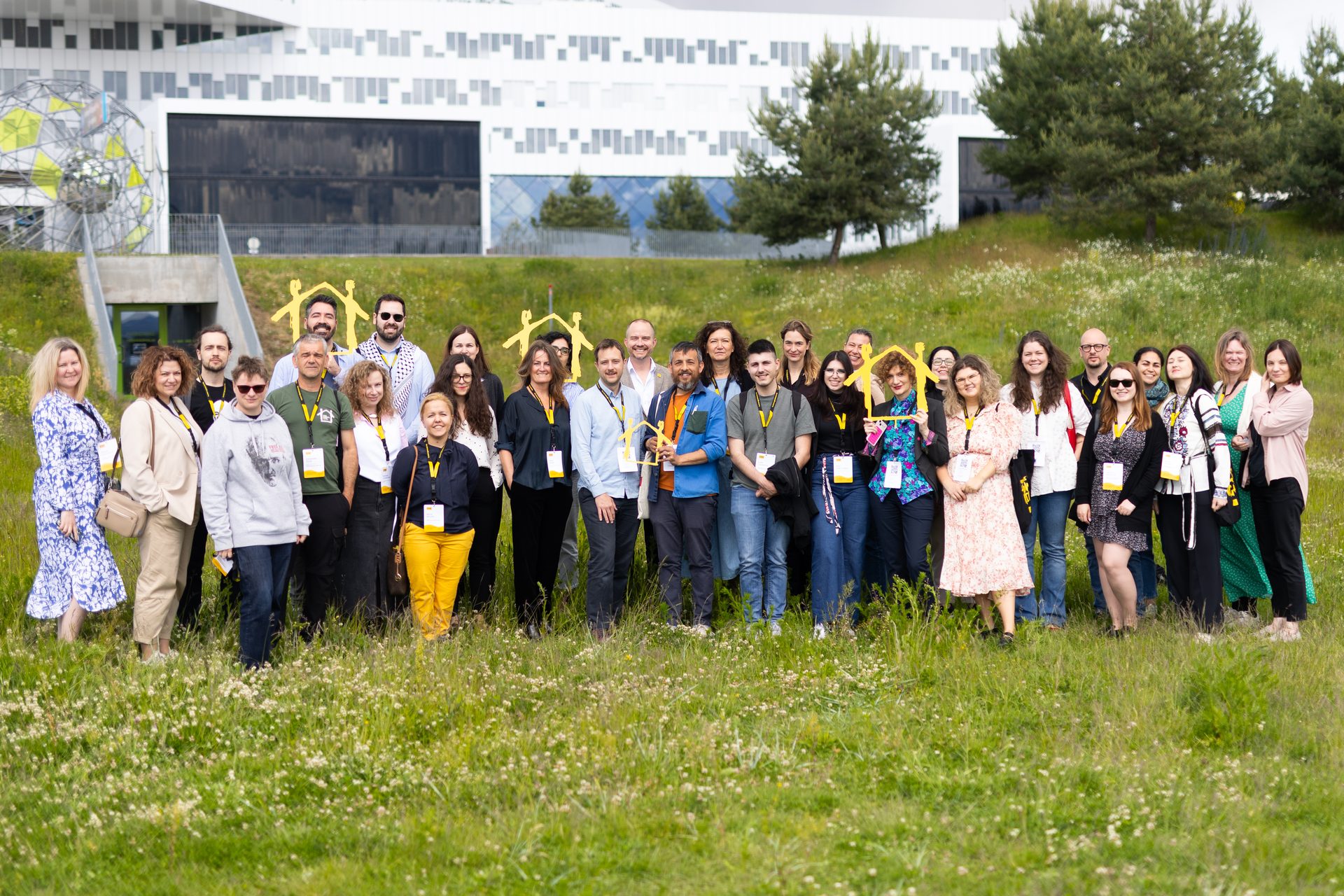
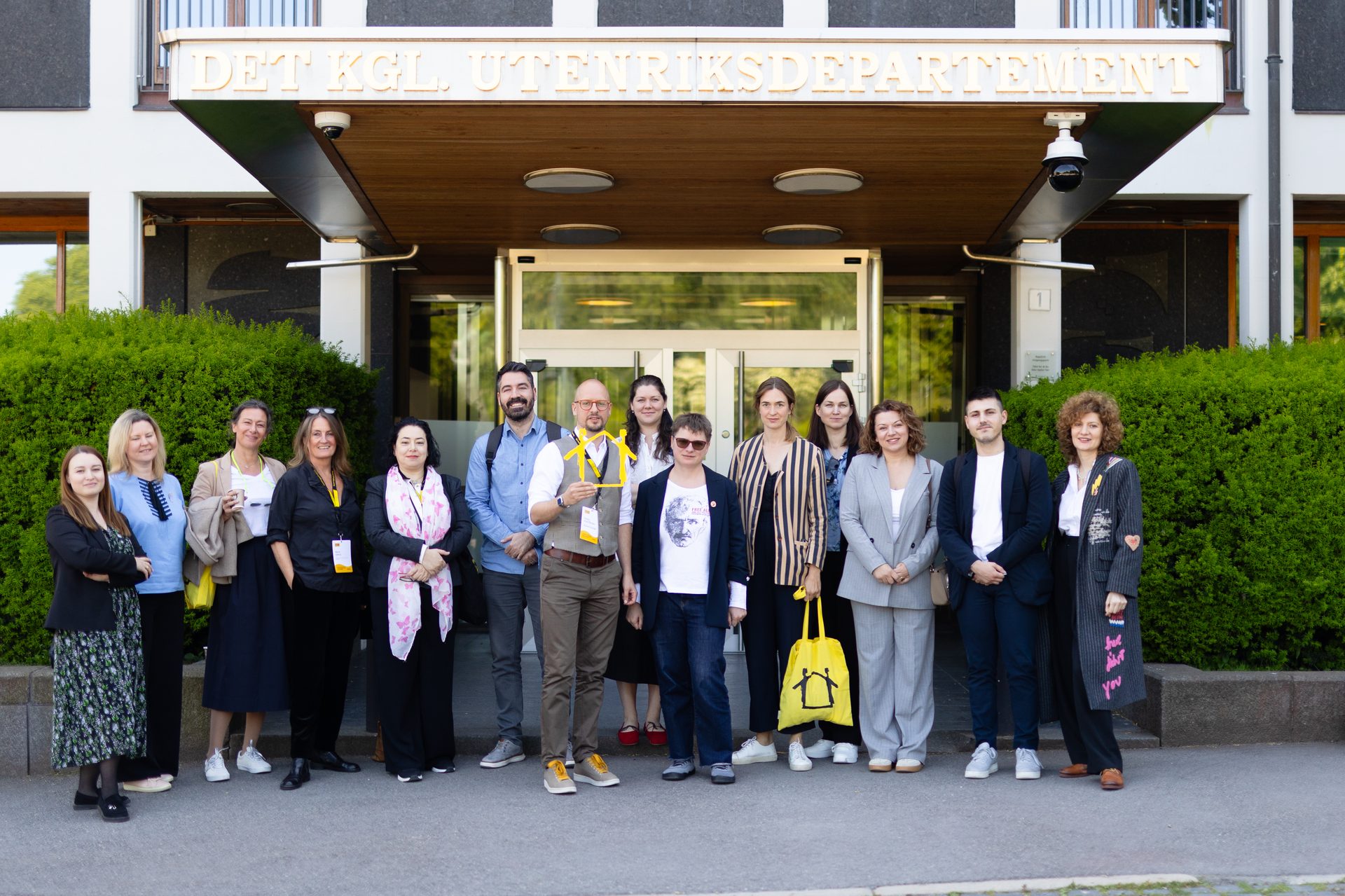
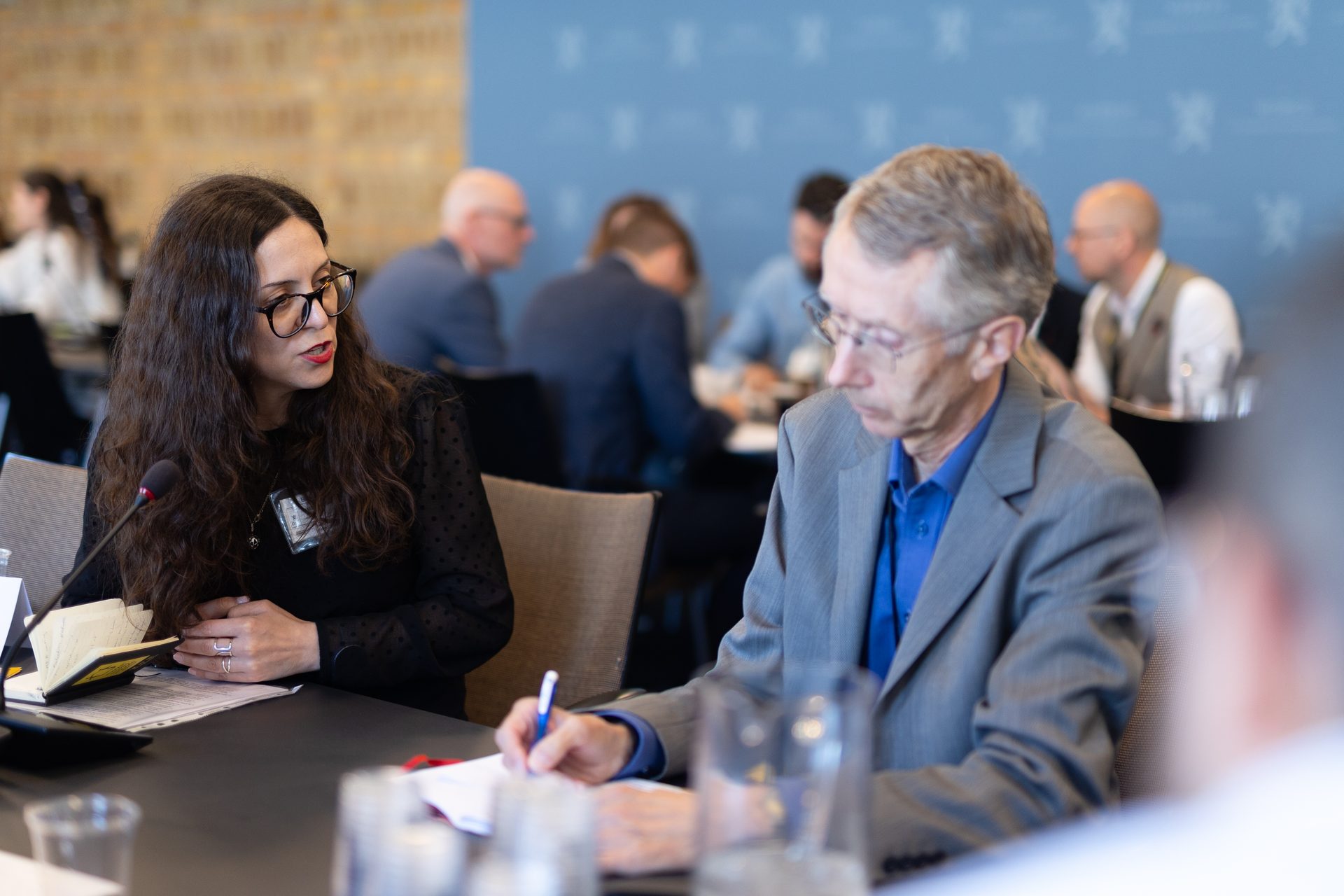
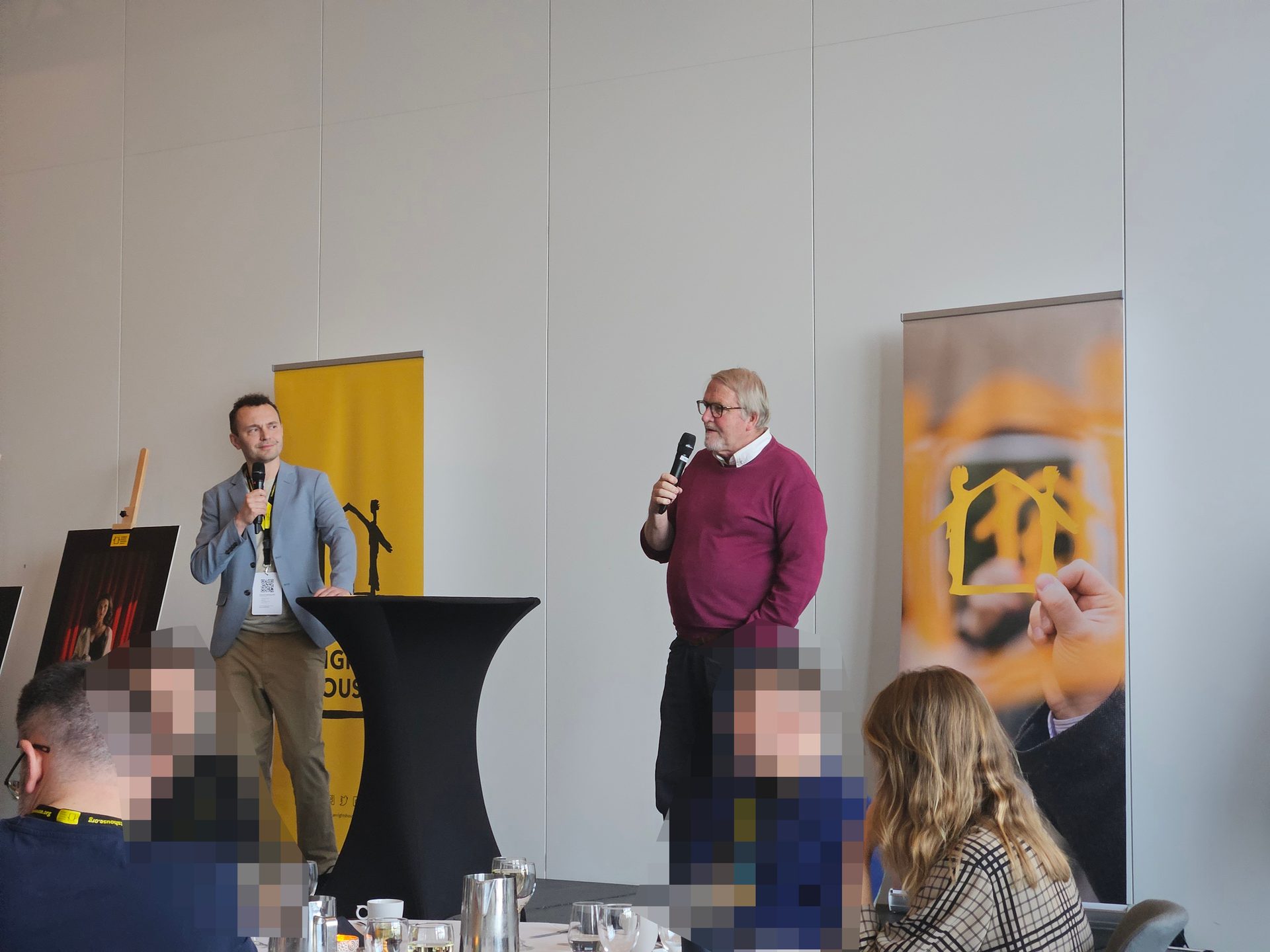
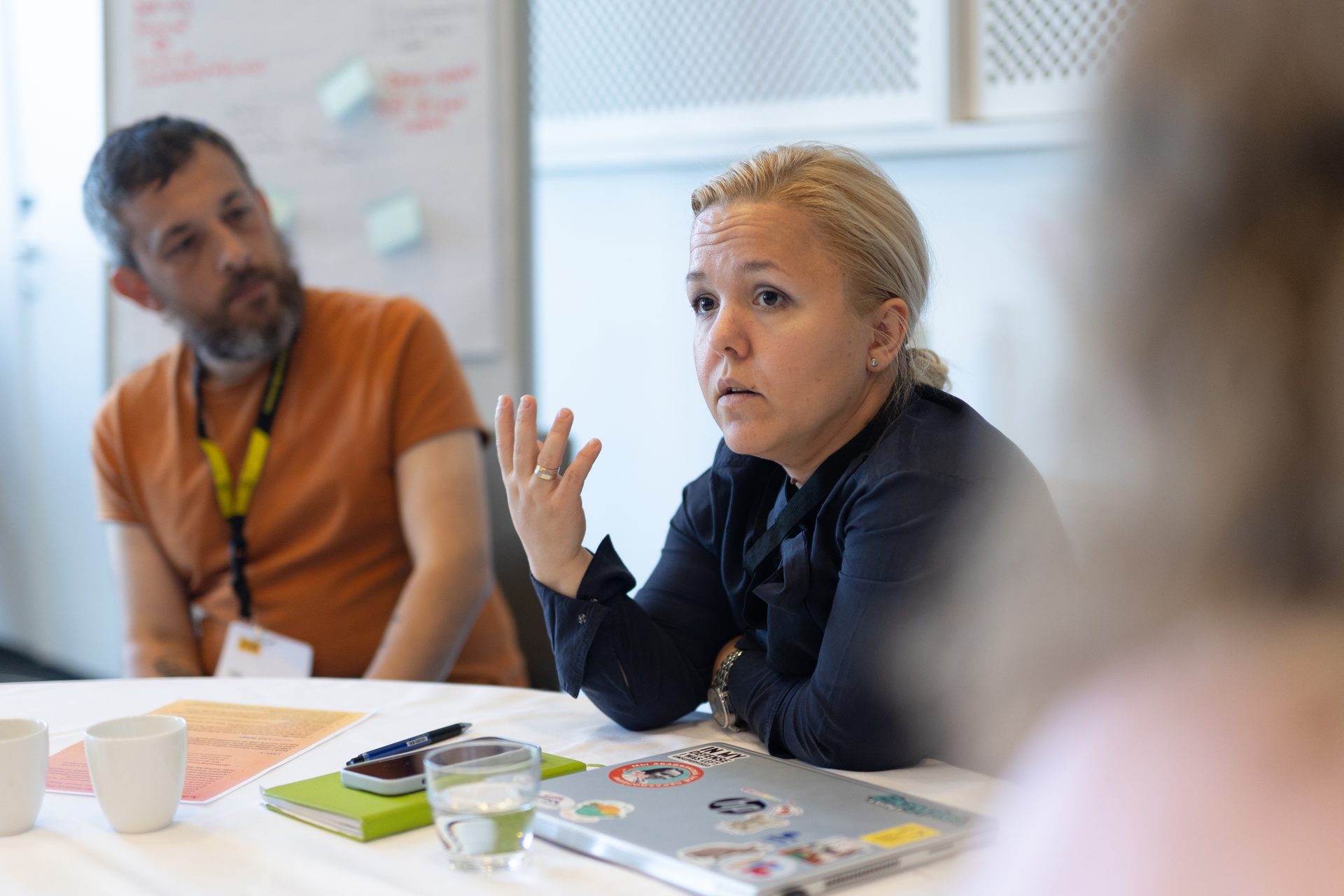
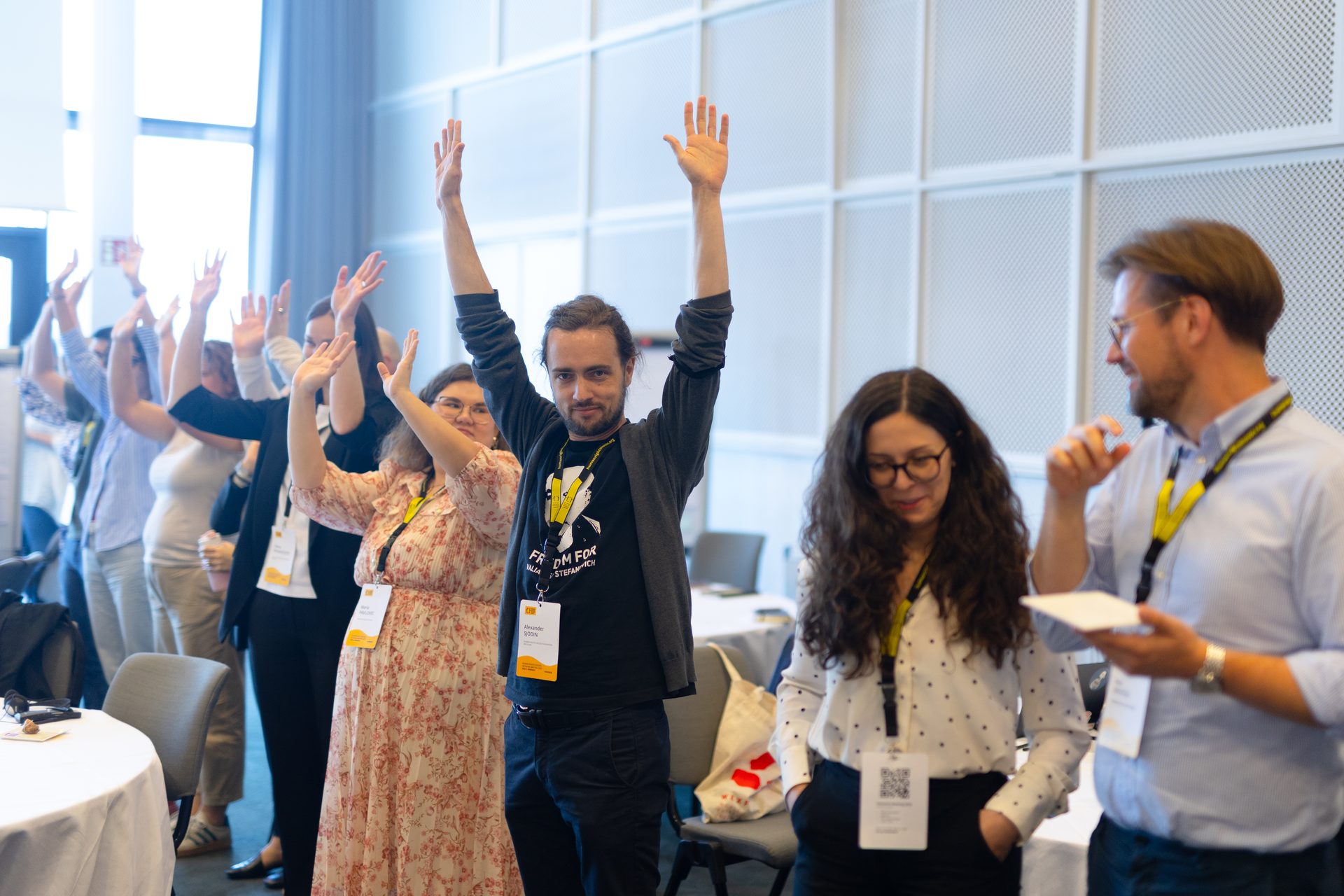
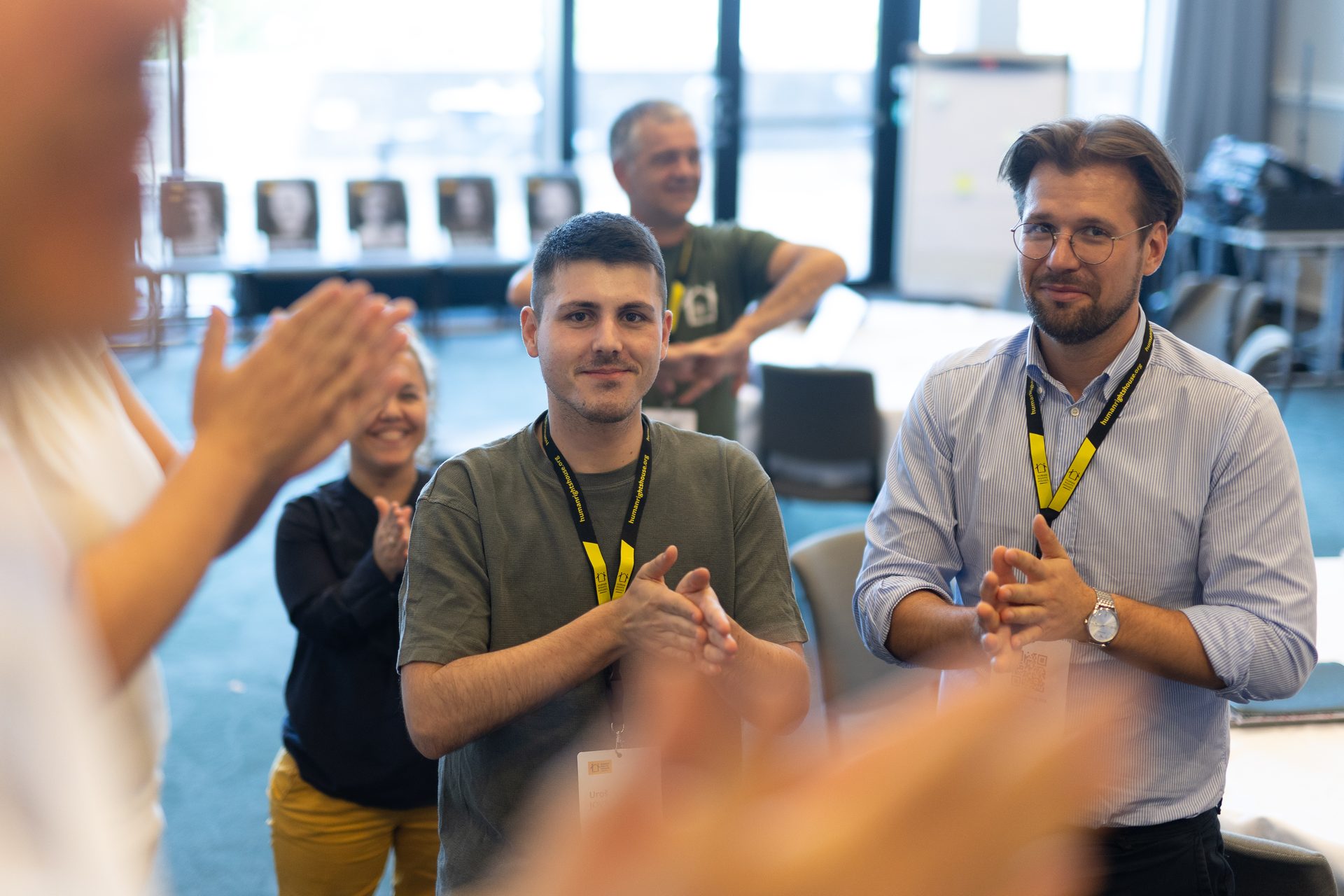
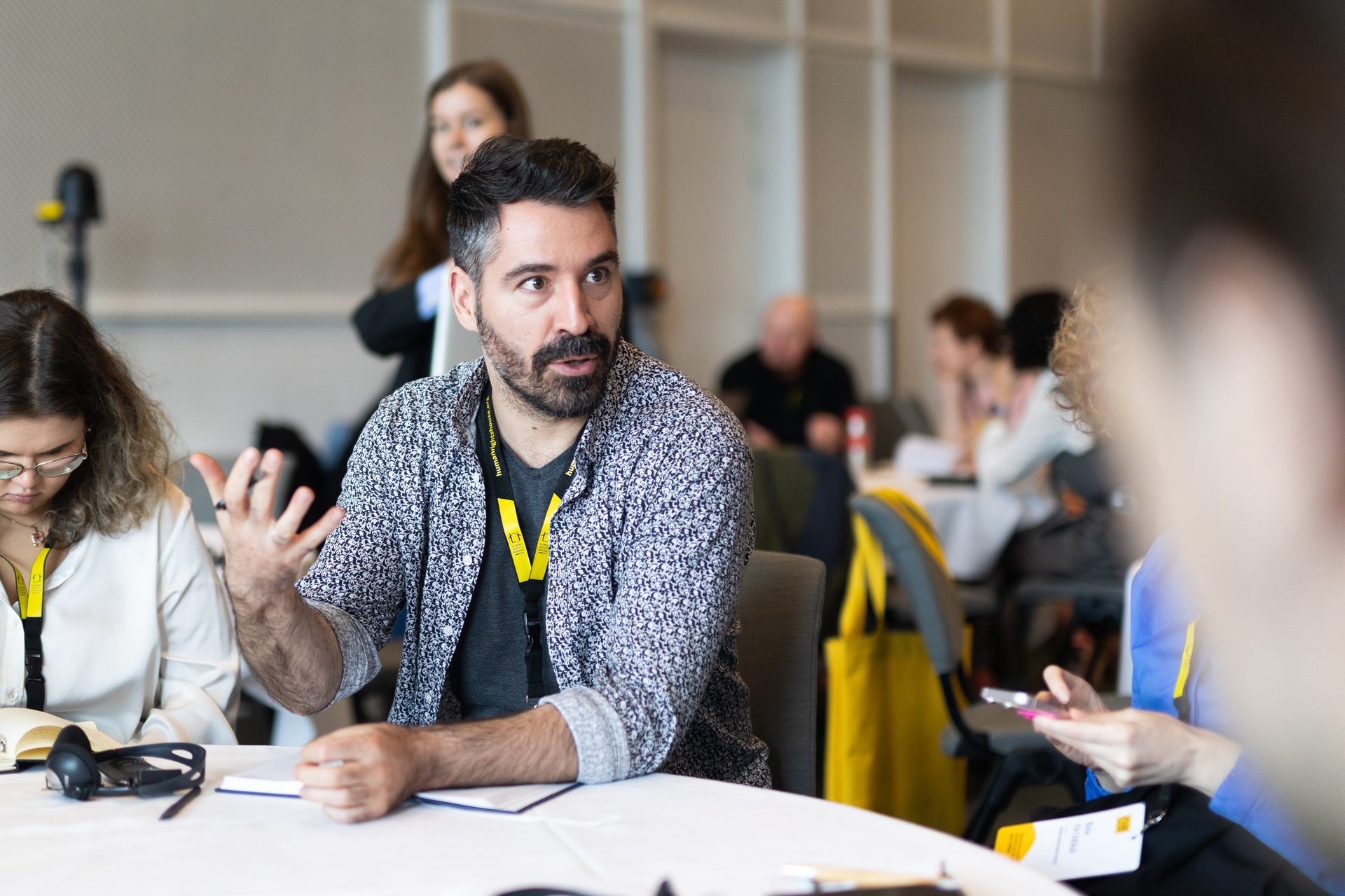
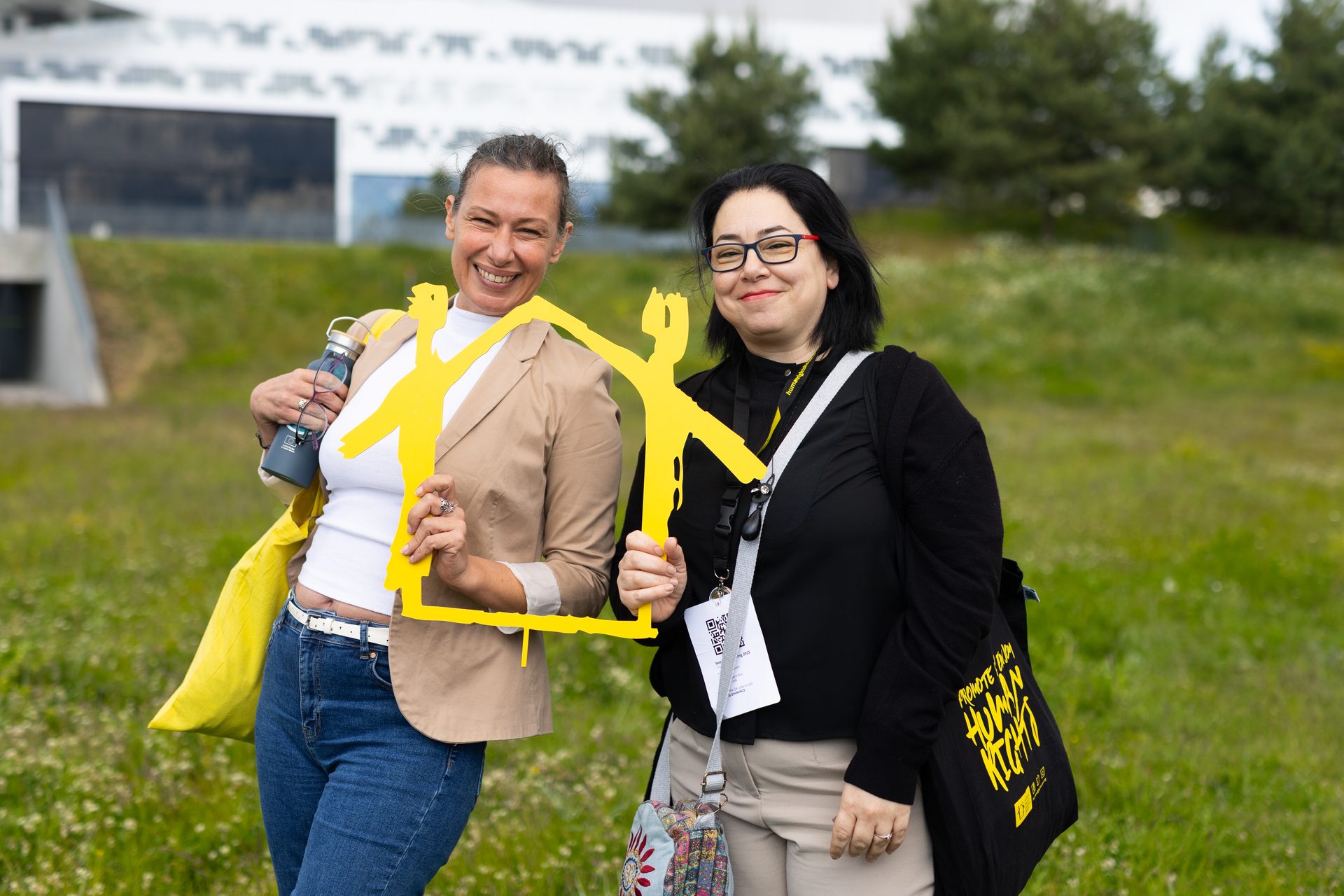
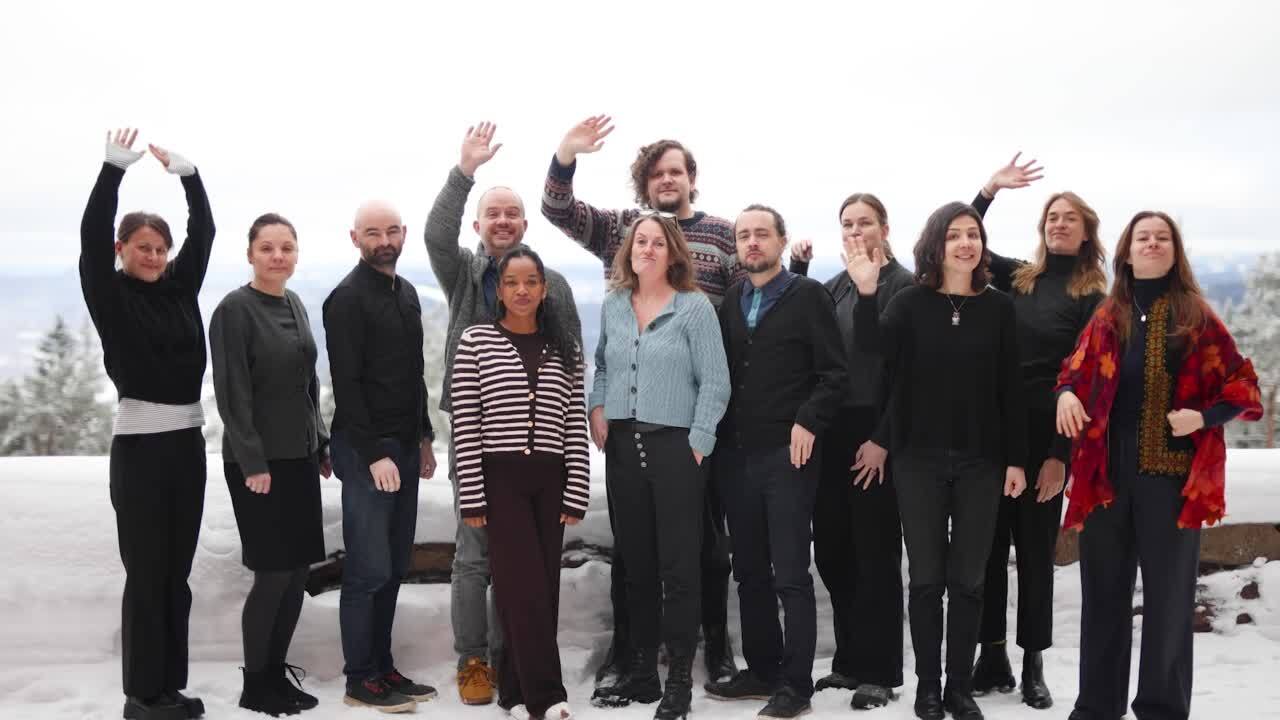
June: Human rights defenders and civil society actors from countries across Europe gathered in Oslo for the 2025 Human Rights Houses Network Meeting to share experiences, build strategies, and strengthen solidarity.
![A row of chairs, each displaying a portrait and 'FREEDOM FOR [NAME]' sign, advocating for human rights.](https://cdn.vev.design/cdn-cgi/image/f=auto,q=82,w=1920/private/52oNYh0KD9e590Pmy4OAuKPzVBz2/image/LndGp-fpEZ_2kjivp.jpg)

The Network of Human Rights Houses

Index on Censorship
Location: London, United Kingdom
Index on Censorship is a nonprofit that campaigns for and defends free expression worldwide. Index publishes work by censored writers and artists, promotes debate, and monitors threats to free speech.
Human Rights House Crimea
Location: Kyiv, Ukraine
HRH Crimea aims to develop, strengthen, and coordinate the capacity of organisations involved in human rights protection in Crimea, ensuring more effective and systematic human rights work. Today, HRH Crimea’s six organisations focus on the human rights situation in Crimea and other southern territories of Ukraine temporarily occupied by Russia. Members include organisations that were forcibly displaced from Crimea following its occupation and illegal annexation by the Russian Federation in 2014.
Educational Human Rights House Chernihiv
Location: Chernihiv, Ukraine
EHRH Chernihiv unites 13 organisations. Before Russia's full-scale invasion of Ukraine, EHRHC’s main focus was human rights education and protection. Since 2022, EHRHC has begun documenting war crimes and expanded its Protection Program to support Ukrainian human rights defenders, journalists, and civil society activists at risk, as well as their family members.
Read about Educational Human Rights House Chernihiv and its member organisations.
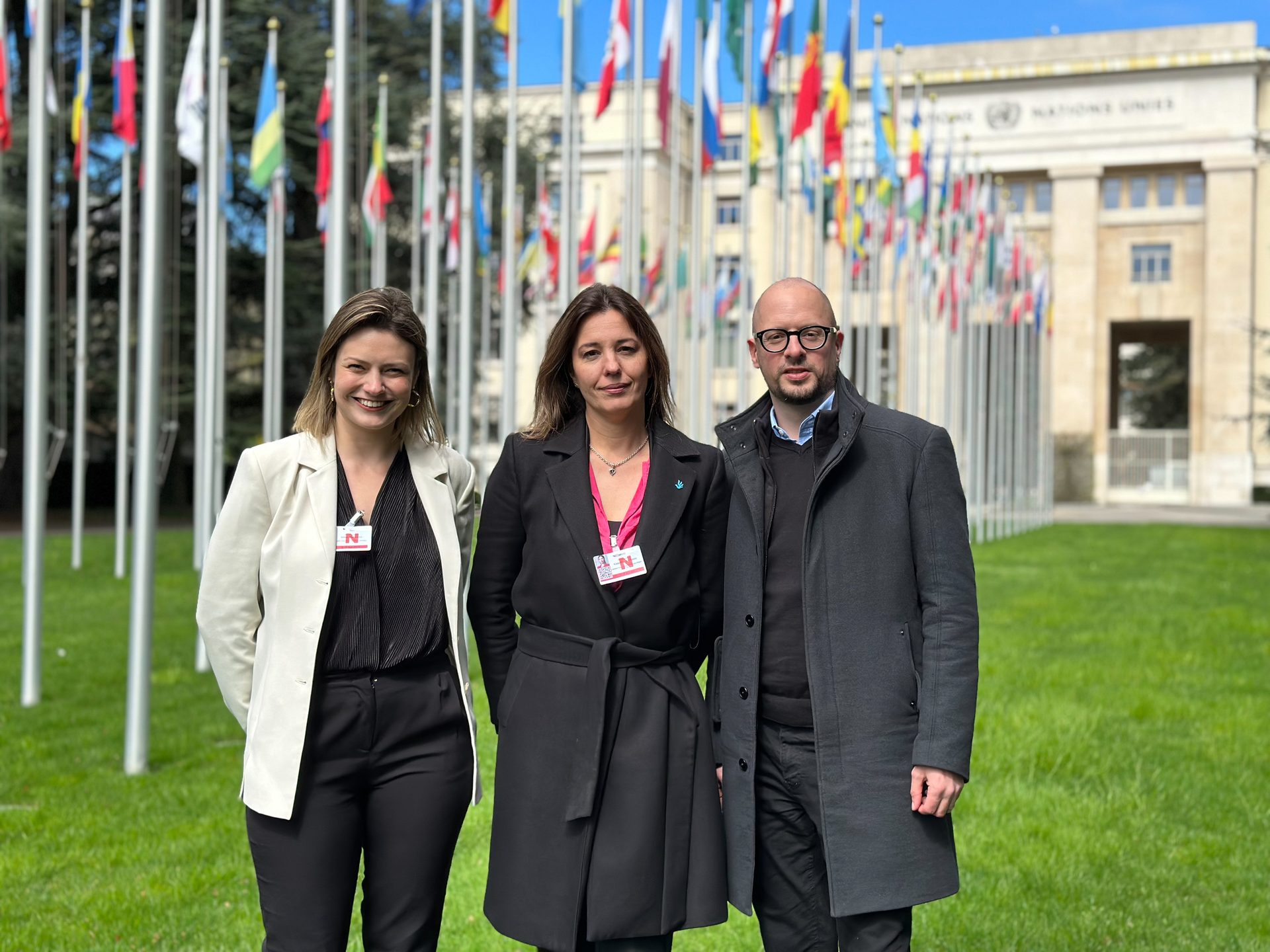
Human Rights House Belgrade
Location: Belgrade, Serbia.
Supporting civil society, Human Rights House Belgrade’s five member organisations focus on economic and social rights, discrimination, hate crime, minority issues, and access to justice. HRH Belgrade supports human rights defenders, providing free legal aid in the first instance. It is also a leader in Serbia’s EU negotiation process, coordinating with the National Convention on the EU – the platform for discussion on Serbian accession – as a genuine civil society movement for reforms and further EU integration.
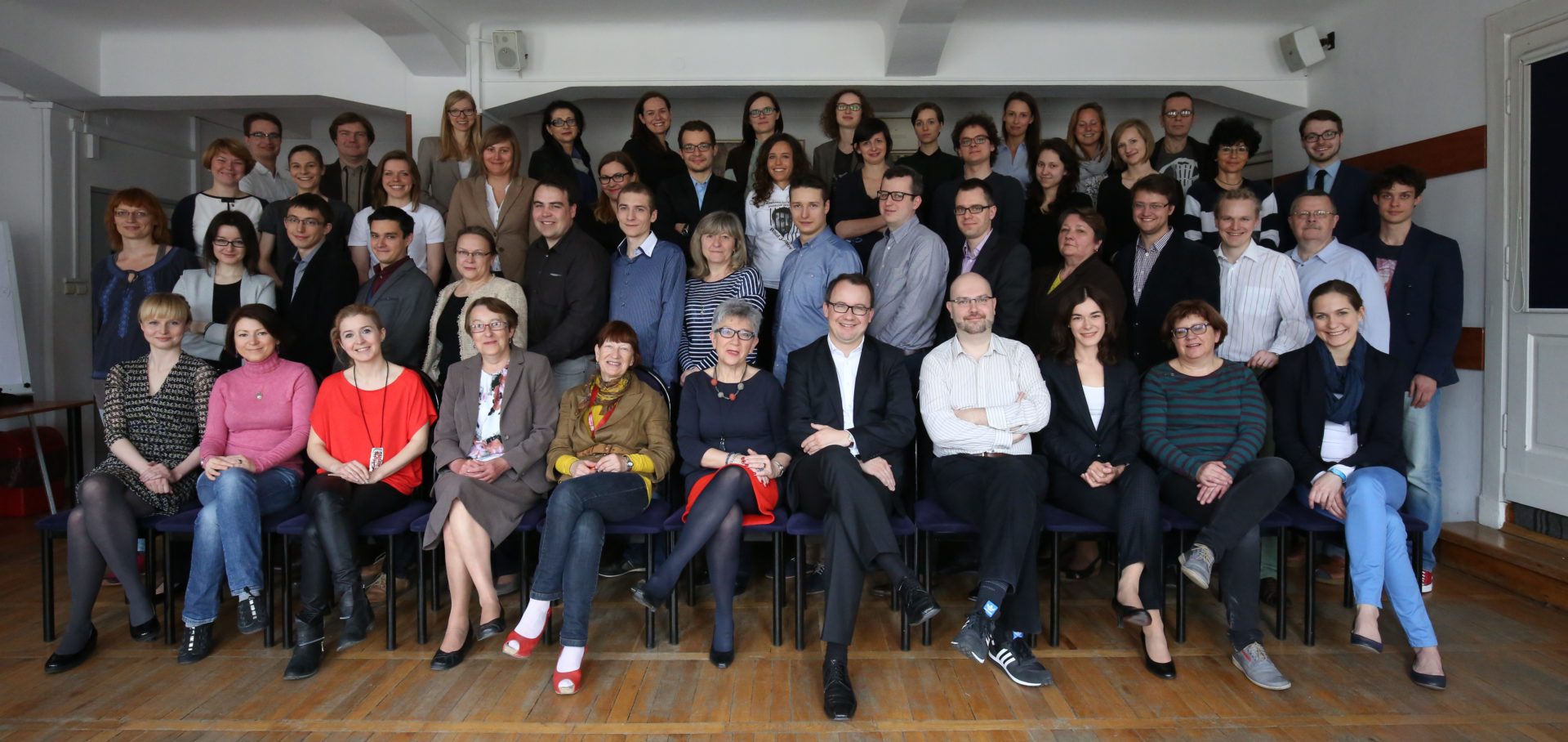
Helsinki Foundation for Human Rights
Location: Warsaw, Poland
In 1994, the Warsaw-based Helsinki Foundation for Human Rights became one of the founding members of the Network of Human Rights Houses and remains a member. HFHR is Poland’s oldest and most experienced non-governmental organisation working for the protection of human rights in Poland and Eurasia.
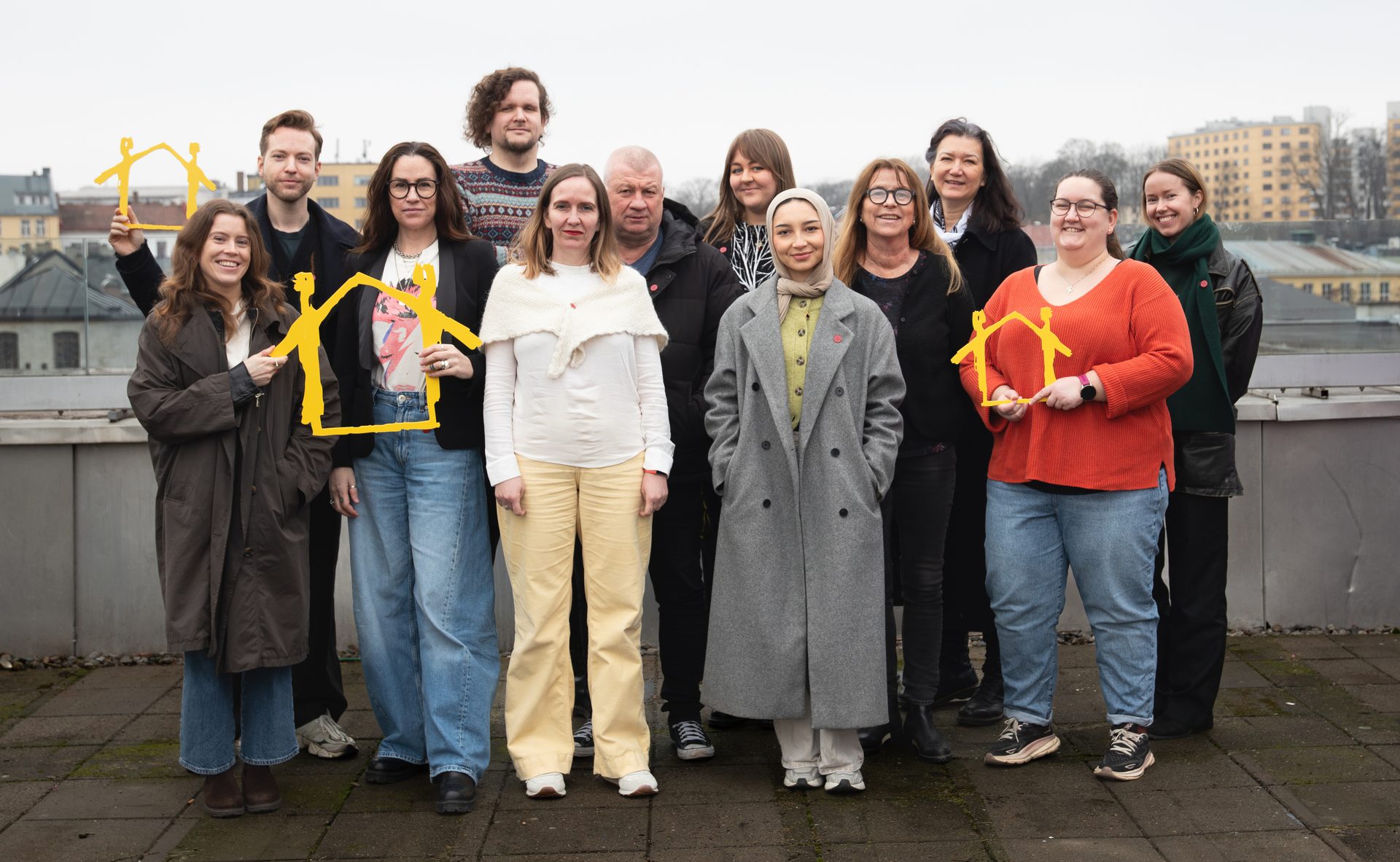
Human Rights House Oslo
Location: Oslo, Norway
The first Human Rights House was founded in Oslo in 1989, during a time of great change and hope for human rights in Europe. Human Rights House Oslo is today home to five diverse organisations that champion a variety of thematic and geographical human rights issues. These range from women’s rights in Norway, to the human rights situations of Tibet, and Eastern Europe.
Read about Human Rights House Oslo and its member organisations.
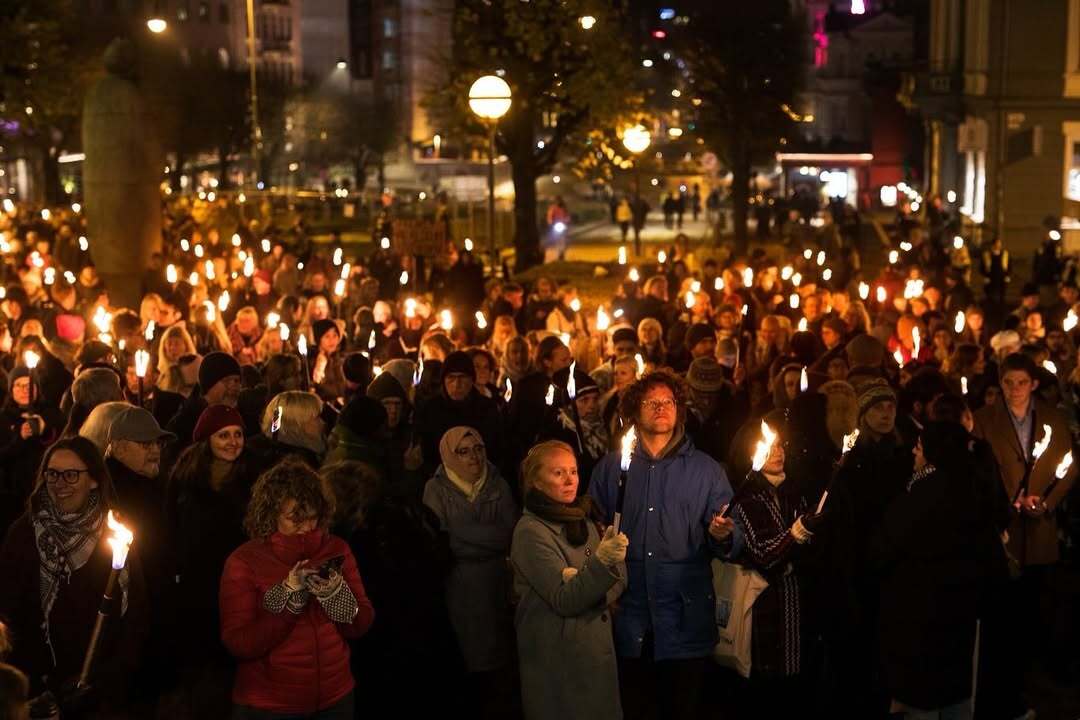
Rafto Foundation
Location: Bergen, Norway
The Rafto Foundation works to promote human rights by presenting the Rafto Prize, empowering human rights defenders, challenging authorities and the business community and by providing education in democracy and human rights.

Human Rights House Tbilisi
Location: Tbilisi, Georgia
For over a decade, HRH Tbilisi functioned as a hub for the protection of at-risk human rights defenders in Eastern Europe and as a platform for regional and rural activists in Georgia.
In May 2025, HRH Tbilisi was forced to suspend all activities as a result of the ongoing crackdown on civil society in Georgia and Georgian authorities’ decision to freeze all of HRHT’s bank accounts.

Human Rights House Zagreb
Location: Zagreb, Croatia
Human Rights House Zagreb was established in 2008 with a goal to contribute to building a democratic, pluralistic and inclusive society based on the values of human rights, social justice and solidarity. Today, HRH Zagreb unites five organisations and is renowned as the centre of expertise on human rights in Croatia. HRH Zagreb works on research, monitoring, advocacy and education within three programs: democracy and human rights, justice and human rights, and socio-economic rights.
Read about Human Rights House Zagreb and its seven member organisations.
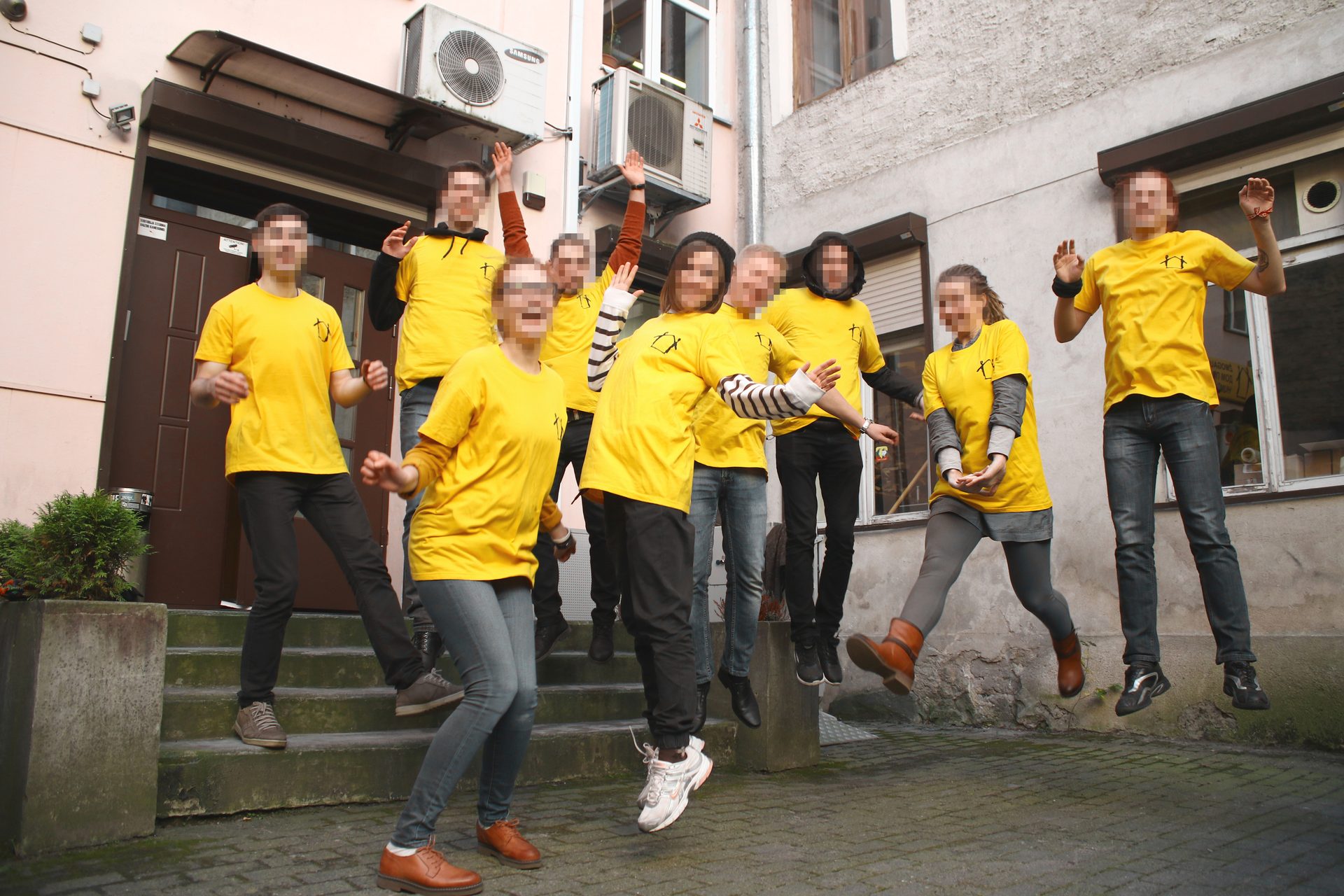
Barys Zvozskau Belarusian Human Rights House
Location: Vilnius, Lithuania
Belarusian HRH’s mission is to support and develop the Belarusian human rights movement via four strategic directions: human rights education, capacity building for human rights defenders and their organisations, protection and support of human rights defenders and human rights advocacy. BHRH was founded in 2006 in Vilnius, Lithuania, due to the impossibility of registering in Belarus.
Read more about the Barys Zvozskau Belarusian Human Rights House.
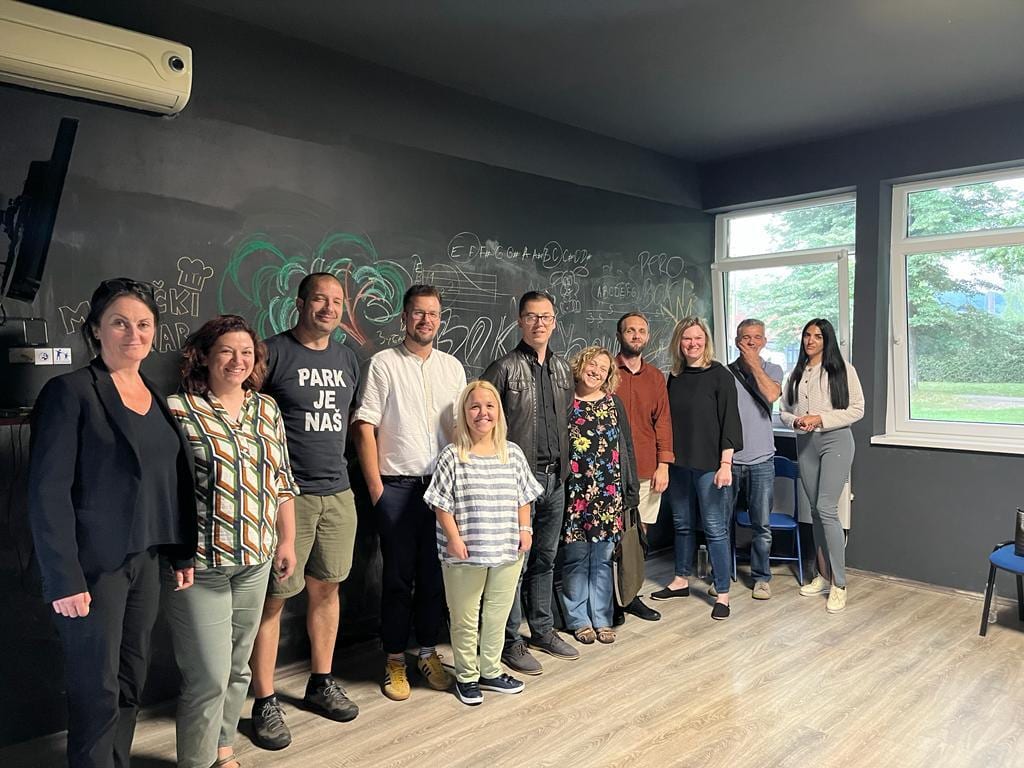
Human Rights House Banja Luka
Location: Republika Srpska, Bosnia and Herzegovina
Established in Bosnia and Herzegovina in 2023, Human Rights House Banja Luka unites ten organisations with decades of combined experience in promoting and protecting human rights, with a particular focus on the rights of women, children, whistleblowers, and environmental activists. HRH Banja Luka leads joint advocacy, public events and media on human rights, reports on defenders in Bosnia and Herzegovina, and provides legal aid through a joint team.
Read more about Human Rights House Banka Luka and its member organisations.
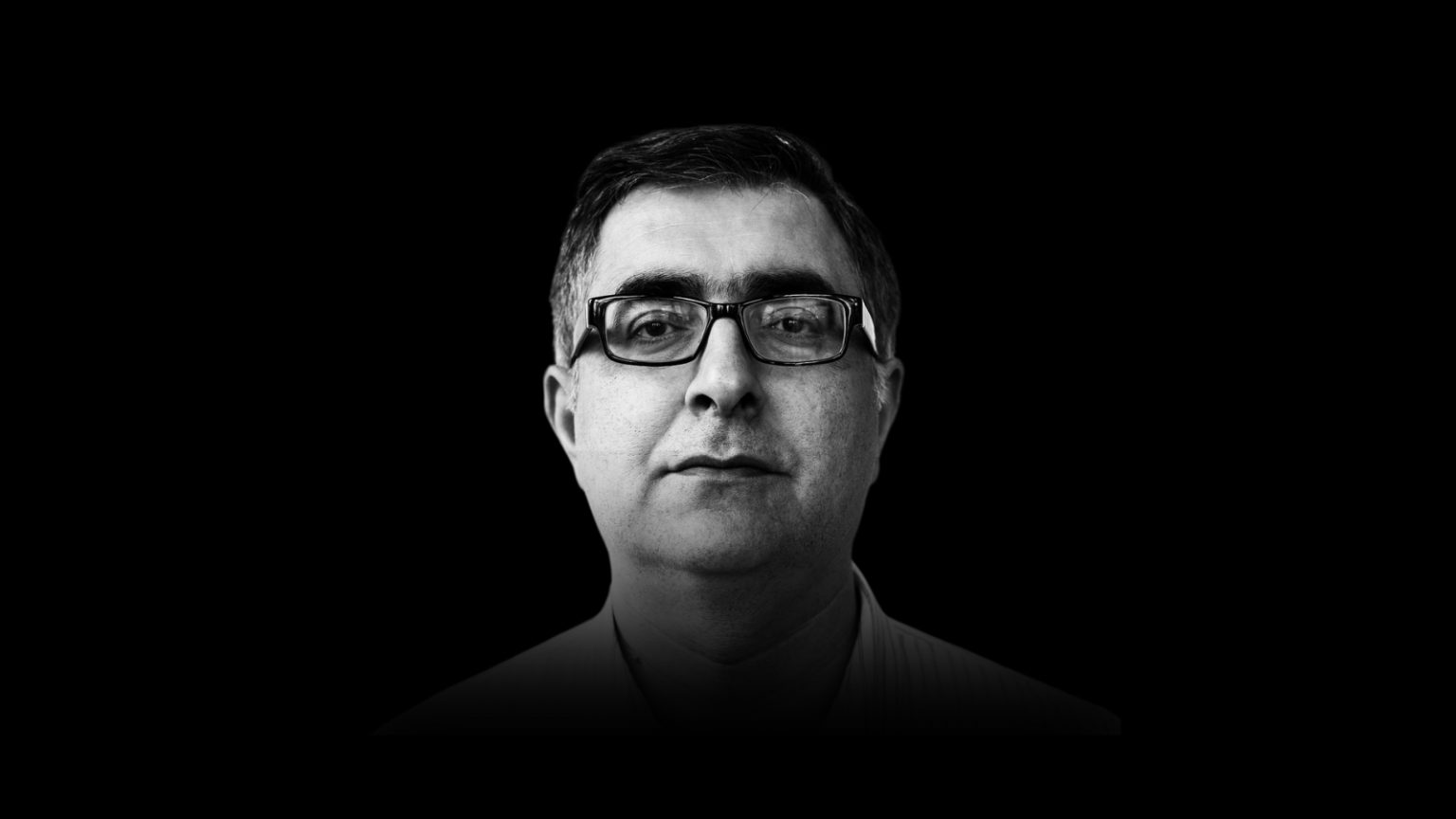
Human Rights House Azerbaijan
Location: Azerbaijan
Established in 2007, Human Rights House Azerbaijan operated until its closure by the Ministry of Justice in 2011. Anar Mammadli, leader of Election Monitoring and Democracy Studies Center (one of HRH Azerbaijan’s member organisations) has been unjustly detained on spurious charges since 29 April 2024, in retaliation for his work. HRHF calls for his release.
Read more about Human Rights House Azerbaijan and its member organisations.
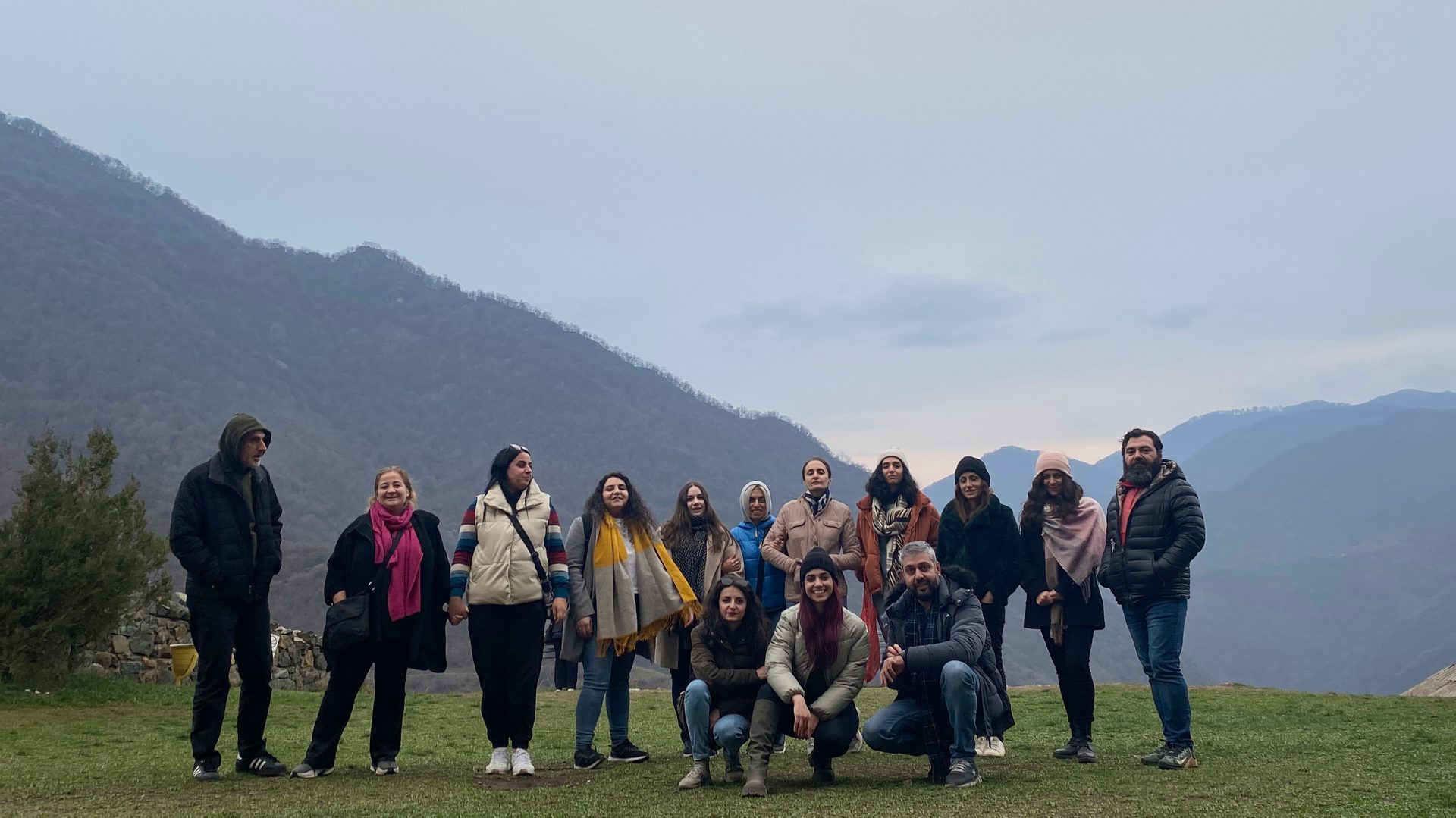
Human Rights House Yerevan
Location: Yerevan, Armenia
Established in Armenia in 2012, Human Rights House Yerevan unites six organisations. Human Rights House Yerevan is committed to a safe, accessible, and common space for activists, civil society organisations, movements, civic initiatives, and human rights defenders, who are often targeted for their work. The mission of the House is to protect, empower, and support these groups in their efforts to promote and uphold human rights in Armenia and beyond.
Read more about Human Rights House Yerevan and its member organisations.
Human Rights Houses in 2025
Concept
The Human Rights House concept is built around the enduring values of solidarity & partnership. It remains as important today as when the first House opened its doors in Oslo in 1989.
Human Rights House Foundation establishes and supports Human Rights Houses – coalitions of local independent civil society organisations working to advance human rights at home and abroad. In 2025, over 85 CSOs were united in an international Network of Human Rights Houses.
Human
Rights House Foundation
Human Rights House Foundation is an international non-profit non-governmental organisation headquartered in Oslo with an office in Geneva and representation in Brussels. HRHF holds consultative status at the United Nations and participatory status at the Council of Europe.
This financial data has been summarised from HRHF’s annual accounts. For a complete copy of the annual accounts and the accompanying independent audit report click here.
% Expenses per organisational objective*
1. Strengthen the capacities of HRHs to advance human rights (45%)
2. Strengthen the Human Rights House Network and its impact (28%)
3. Strengthen the promotion and protection of rights that underpin independent civil society (14%)
4. HRHF organisational sustainability (13%)
*Including NOK 15.3 mln (EUR 1.3 mln) in direct support to partners.
Allocation of expenses
% Revenue by donor
Norwegian Ministry of Foreign Affairs/Norad (76%)
UK Foreign, Commonwealth and Development Office (17%)
Federal Department of Foreign Affairs of Switzerland (5%)
Council of Europe (1%)
Other donors (2%)
For the fiscal year ending 31 December 2025, Human Rights House Foundation’s revenue totalled NOK 41.9 mln (EUR 3.6 mln).
Revenue
Donate
We seek new partnerships in order to expand our ability to advance human rights through empowering human rights defenders and strengthening independent civil society.
We offer our sincere thanks for the generous financial support that we received from donors.
In 2025, our donors included Norwegian Ministry of Foreign Affairs/Norwegian Agency for Development Cooperation (Norad), UK Foreign, Commonwealth and Development Office, Federal Department of Foreign Affairs of Switzerland, Council of Europe, and other donors.
Financial information
% Gender balance (Male / Female)
0
/
0
Locations: Headquarters in Oslo with an office in Geneva and representation in Brussels.
0
Languages spoken in our offices
0
Nationalities represented in our team
0
14 members of staff and 3 consultants work for HRHF
0
Our people in 2025
*Due to security concerns, some of our staff/consultants are not visible in this report.
Pasha Bystrova
Communication Consultant
Consultants *
Nora Wehofsits
International Advocacy Officer
Location: Brussels
Alexander Sjödin
Senior Human Rights Officer
Location: Brussels
Nina Pániková
Senior Capacity Building Officer
Location: Brussels
Kateryna Oleinikova
Administrative Assistant
Location: Oslo
Evy Nilsen
Senior Human Resources Officer
Location: Oslo
Matthew Jones
Senior International Advocacy Officer
Location: Geneva
Prisca Jaobelison
Administrative Officer
Location: Geneva
Craig Jackson
Senior Communication Officer
Location: Oslo
Thomas Engebretsen
Financial Accountant
Location: Oslo
Kety Abashidze
Senior Human Rights Officer
Location: Brussels
Staff *
Daiva Petkevičiūtė
Head of Network Development and Support
Location: Oslo
Iryna Pavlovska
Head of Administration and Finance
Location: Oslo
Dave Elseroad
Head of Advocacy & Geneva Office
Location: Geneva
Maria Dahle
Director
Location: Oslo
Management
Minda Holm
Research fellow with the research group on foreign policy and diplomacy, Norwegian Institute of International Affairs (NUPI)
Karen-Anna Eggen
Researcher, Norwegian Institute for Defence Studies
Laila Bokhari (Deceased 1974-2025)
Fellow, Harvard Kennedy School of Government
Pål Lieungh
(Deputy Chair)
Partner, Thommessen law firm
Christopher
Hansteen
(Deputy Chair)
Partner, Hjort law firm
Bernt Hagtvet
(Chairperson)
Professor emeritus, Institute of political science, University of Oslo
Board members